EC São Bernardo: Context
Words: Vítor Ribeiro-Santos with the generous collaboration of Bianca Muniz.
Images: Ribeiro-Santos.
Shot on film.
It is, in fact, somewhat hard to understand what Esporte Club São Bernardo is.
First of all, because doing so means understanding São Bernardo do Campo, the city that gives the club its name.
SBC is a municipality more than 500 years old, industrial by nature, and sitting on the edge of the largest and wealthiest capital in the Southern Hemisphere, São Paulo.
In the late 19th century, São Bernardo received a sizable wave of Italian immigrants who would go on to open successful furniture factories.
It was these people who founded the region’s first football clubs, including EC São Bernardo itself, in 1928.
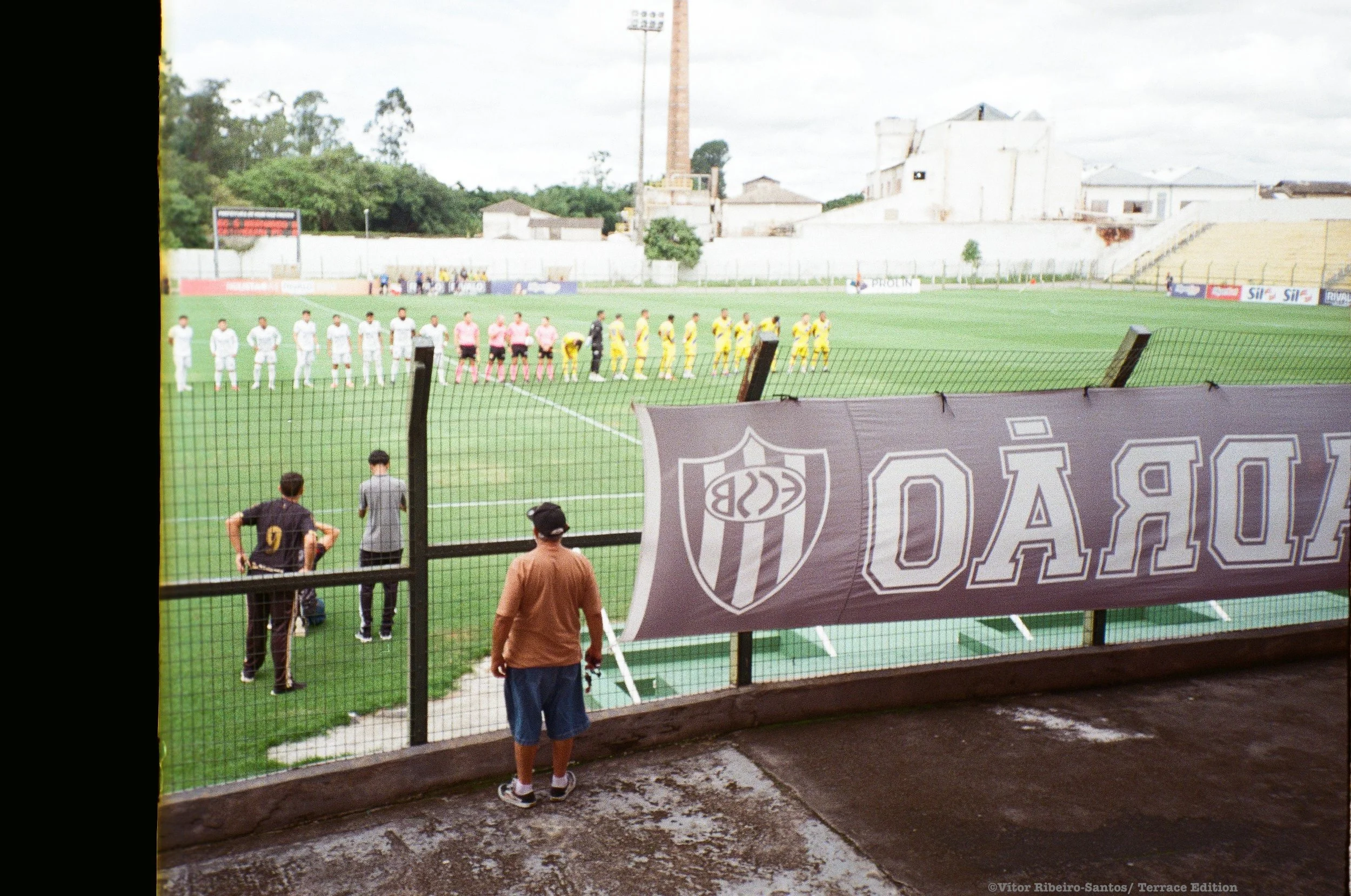
©Vítor Ribeiro-Santos/ Terrace Edition. EC São Bernardo supporters.
Little by little, those factories were replaced by multinationals such as Ford and Volkswagen, which made the city double in size and population.
It is in this context, for instance, that the political legend of Luiz Inácio Lula da Silva was born: the union leader who would go on to become president of Brazil in 2002.
One might imagine, then, that the region’s sporting life had been boosted by so much foreign money and economic growth.
Nothing could be further from the truth. Halfway between Santos and São Paulo, São Bernardo do Campo sits in the immense shadow of four world-champion clubs - SE Palmeiras, SC Corinthians, Santos FC and São Paulo FC.
The result is a region with little footballing identity and few bursts of glory from its clubs.
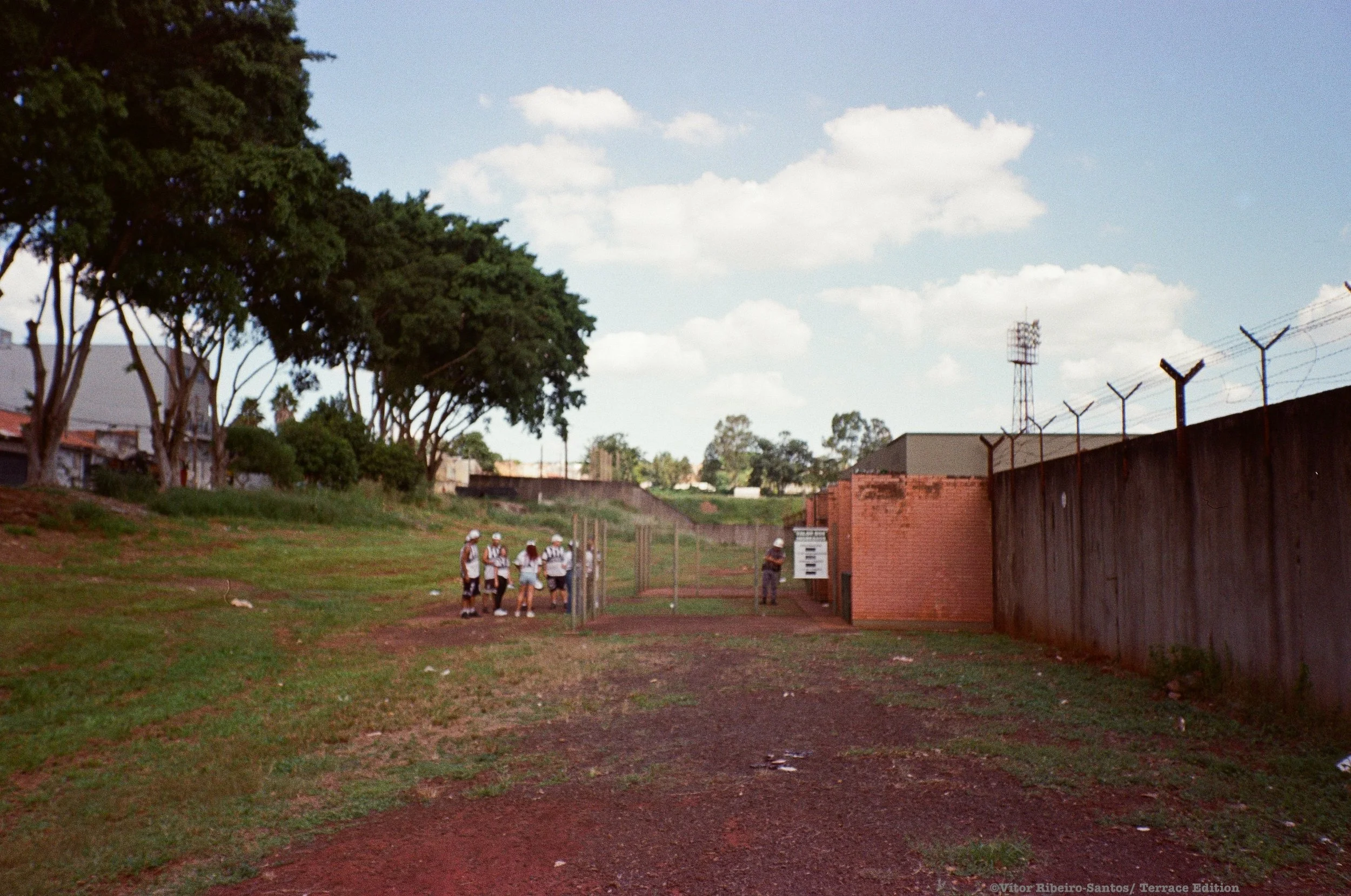
©Vítor Ribeiro-Santos/ Terrace Edition. EC São Bernardo supporters.
That is why you shouldn’t look for logic in the obvious places: the only professional club based in São Bernardo do Campo has never even managed to play in São Paulo’s state first division, though it enjoyed great success in other sports, above all basketball.
From its founding until the end of the 20th century, the black-and-white club’s great asset was being a hub of the city’s social life – hosting concerts, carnival parties and political rallies – while every now and then putting together solid campaigns in the state second division.
From the 1990s on, not even that. No longer backed by its patron, a congressman from a traditional family, and having lost its stadium to make way for a new avenue, EC São Bernardo bid farewell to stability and became, without any exaggeration, the worst football club in Brazil.
1993 brought its last good campaign, with World Cup defender Luís Pereira in the squad. But from ‘94 to 2001, ECSB finished last in literally everything it played – over that stretch, 195 matches: 136 defeats, 39 draws and 20 wins.
The club went back to amateur football, where it stayed until 2010, and its clubhouse was leased out to shops, churches and bars.
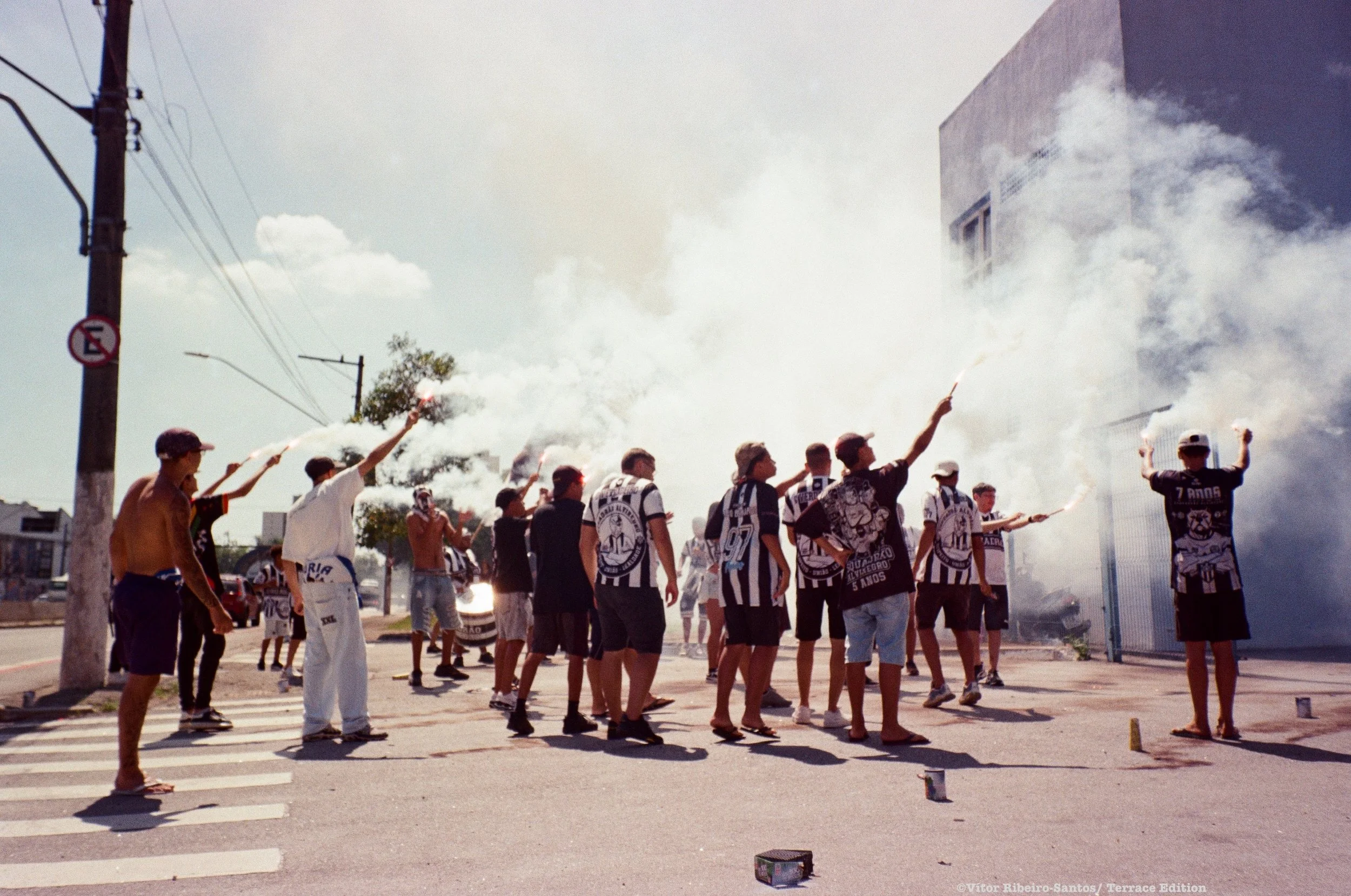
©Vítor Ribeiro-Santos/ Terrace Edition. EC São Bernardo supporters.
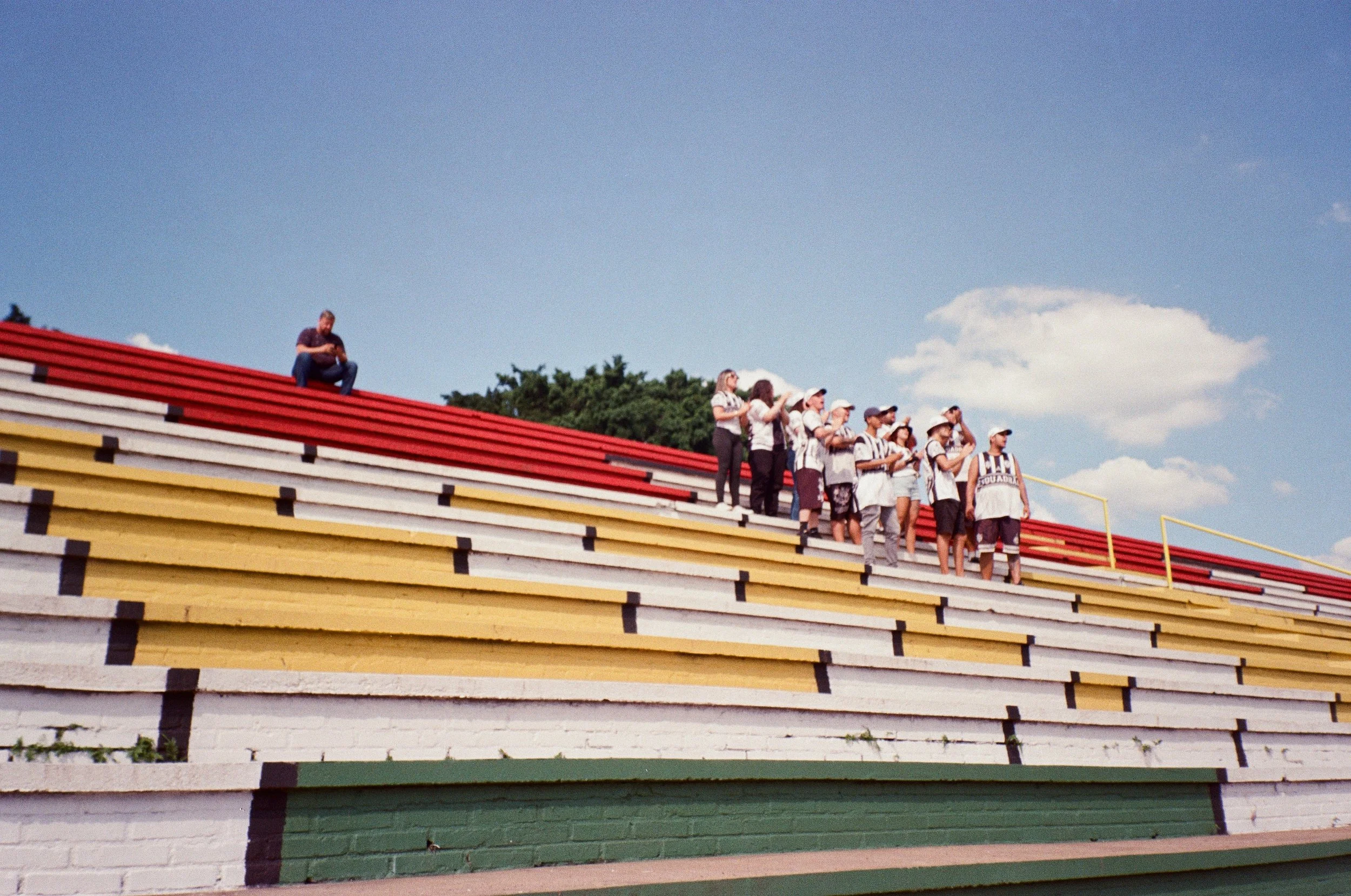
All of this explains why you won’t find here the picture of packed stands and the stereotype of South American passion.
The club was forced to rebuild itself from scratch, to find new ways to stay alive, and its decade away from professional football withered its fanbase for good.
That is why I can say that my affection for EC São Bernardo is rooted not in family or local history, but precisely in the absurdity that it still exists, that people insist on this idea, that its 15 or 20 loyal supporters don’t realize how essential they are to a 98-year-old institution.
In recent years, I traveled across South America alone to write about football, visiting hundreds of stadiums: when I returned to the city where I grew up, I realized I also needed to draw a portrait of its only true club.
I followed this team to every match of the 2026 third tier of the São Paulo state championship, and I came out of that experience certain that I found a place where my effort truly resonated, where my presence and my absence were immediately felt.
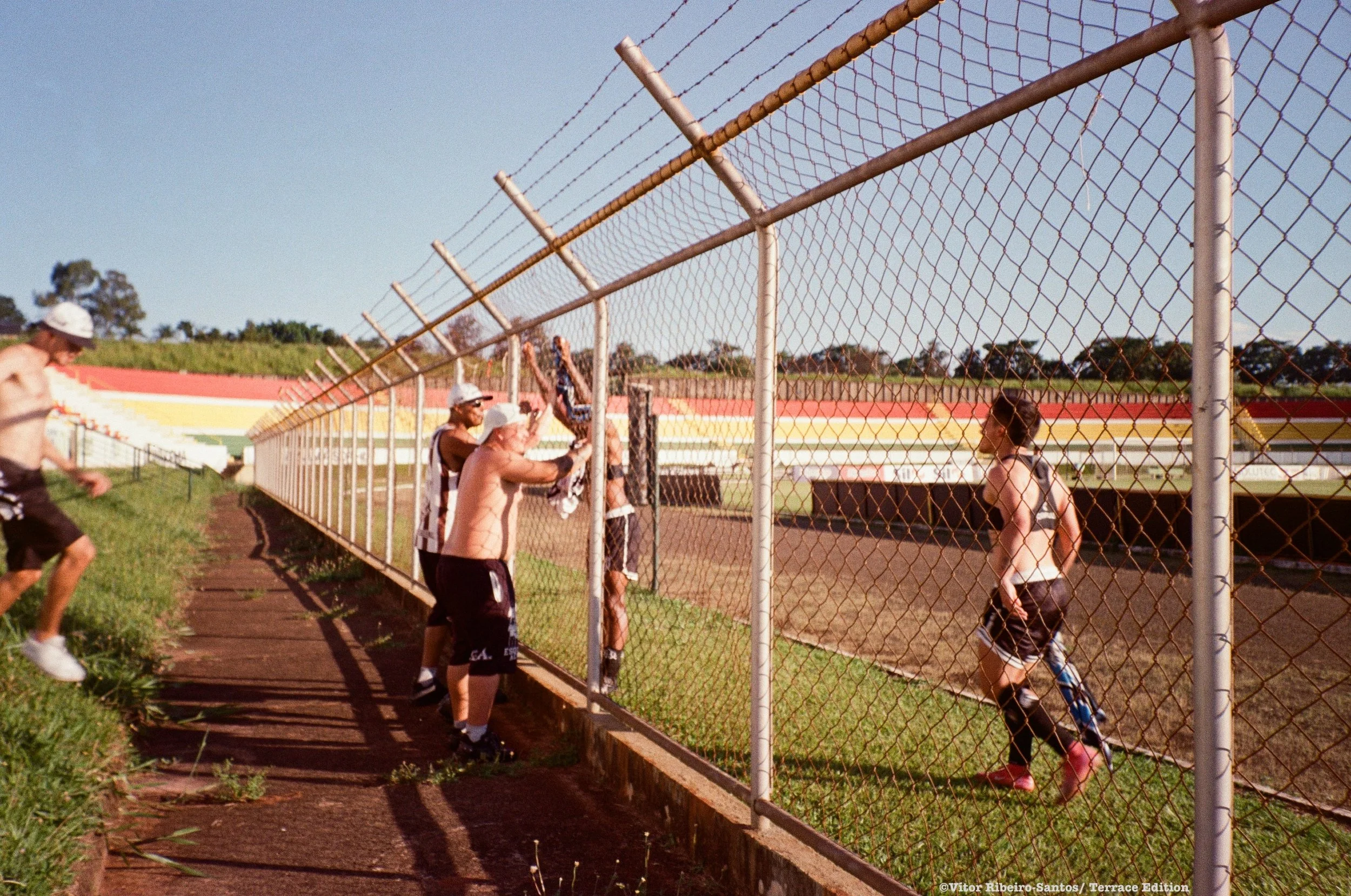
©Vítor Ribeiro-Santos/ Terrace Edition. EC São Bernardo supporters.
EC São Bernardo is a club that makes you work to love it, that won’t hand you obvious reasons or make things easy.
Wherever it plays, its fans will be outnumbered; its rivals will brag about trophies it doesn’t have.
But looking around and seeing the pride that the guys and girls in their early twenties carry despite – or because of – so much hardship is something I honestly couldn’t have predicted or measured.
I came to ECSB out of curiosity and need, but I stayed out of conviction.
Because today, for me, the true beauty of a game as amoral as football seems to lie in his club: it never exhausts all its variables, never tells all its stories, and no one can say for sure where so much will to persist comes from.
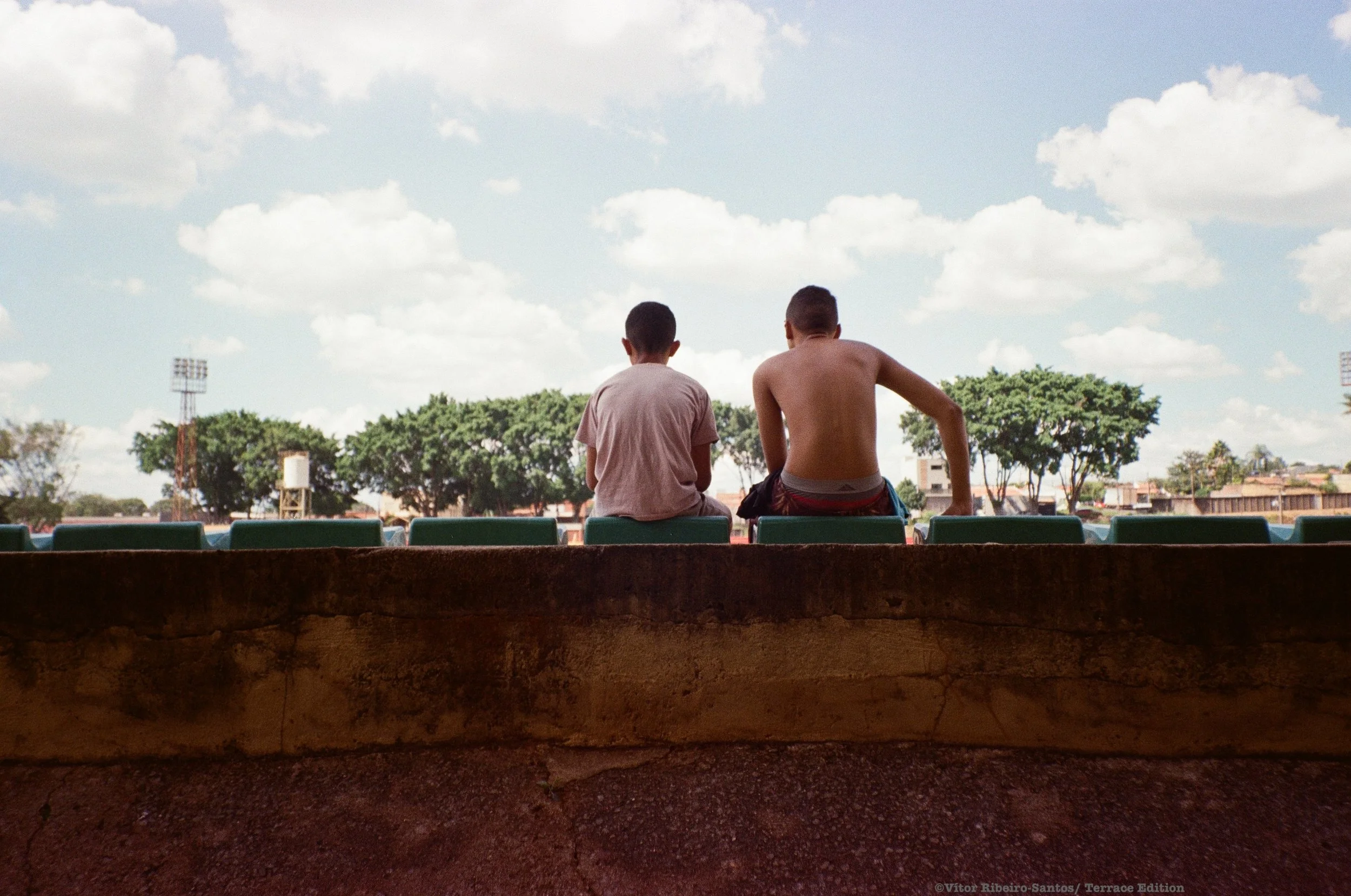
©Vítor Ribeiro-Santos/ Terrace Edition. EC São Bernardo supporters.
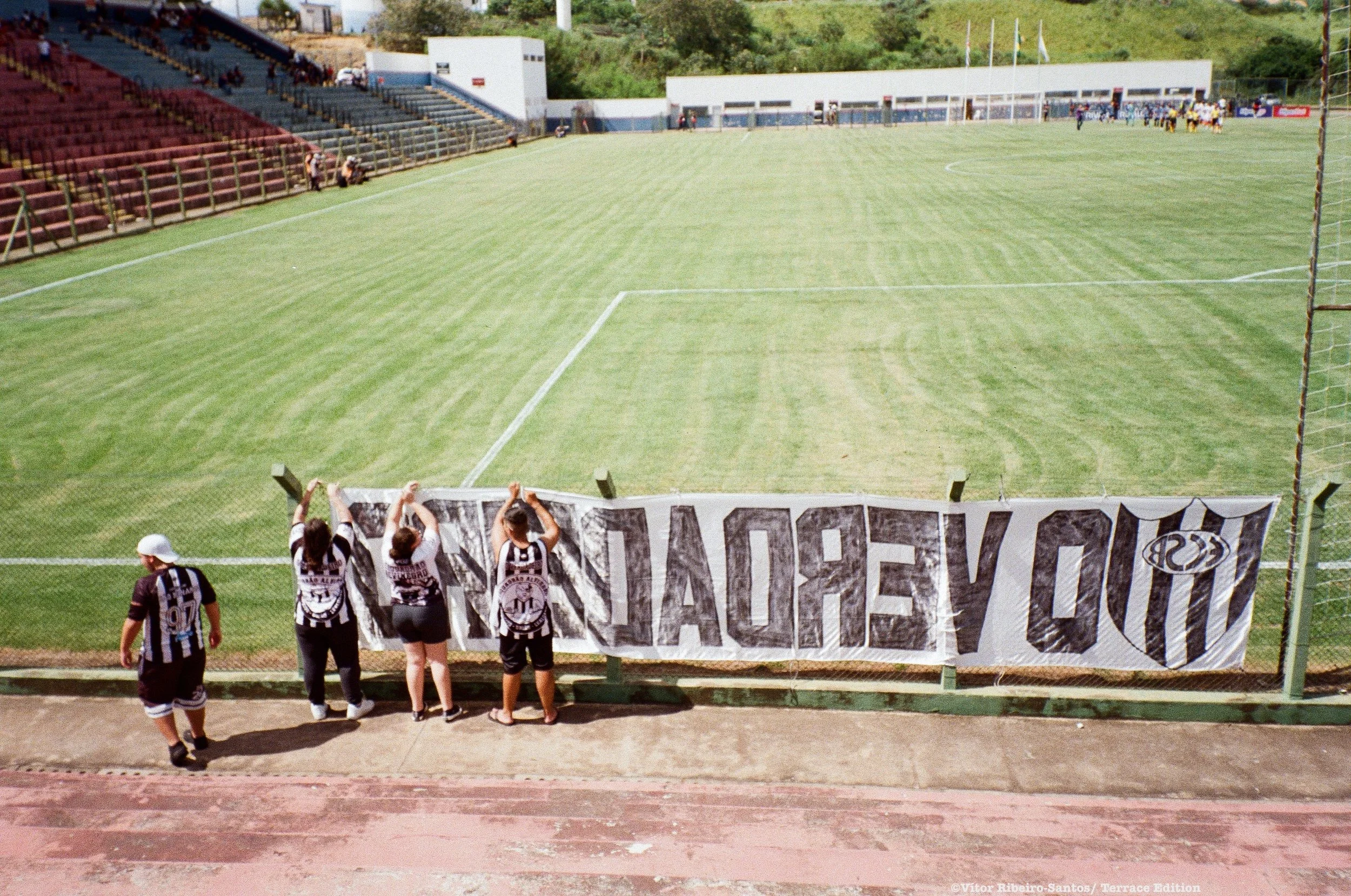
©Vítor Ribeiro-Santos/ Terrace Edition. EC São Bernardo supporters.
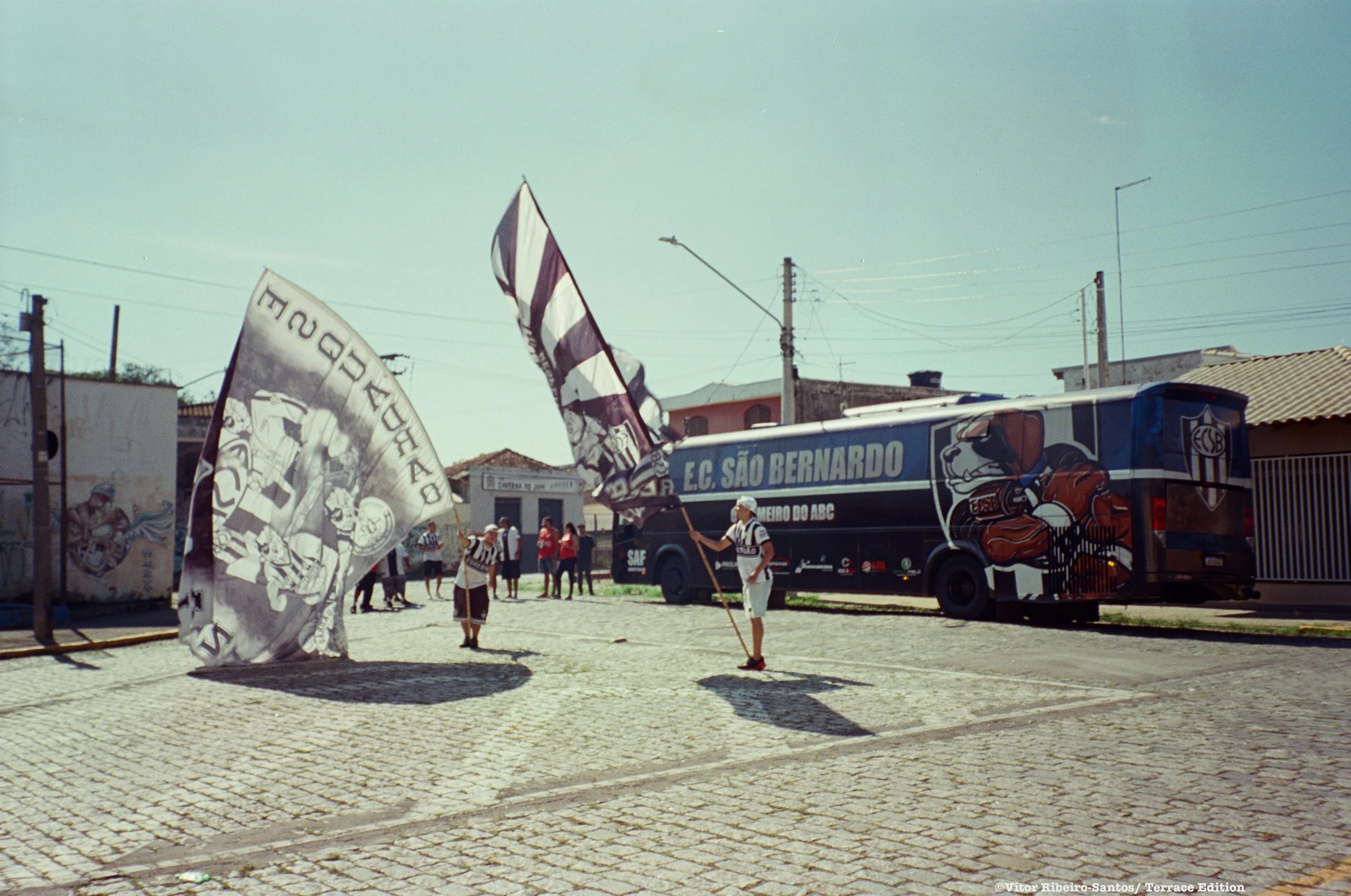
©Vítor Ribeiro-Santos/ Terrace Edition. EC São Bernardo supporters.
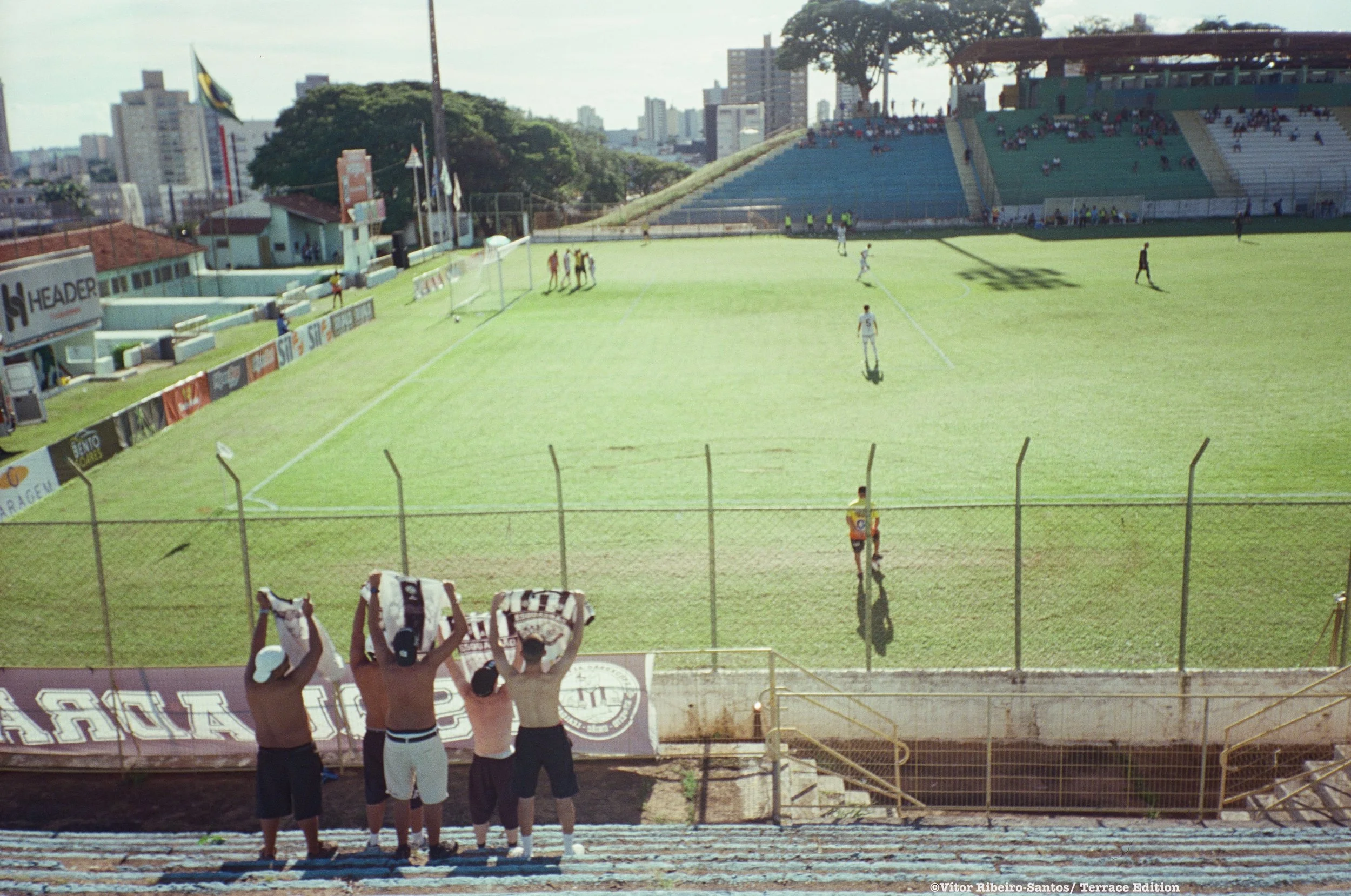
©Vítor Ribeiro-Santos/ Terrace Edition. EC São Bernardo supporters.
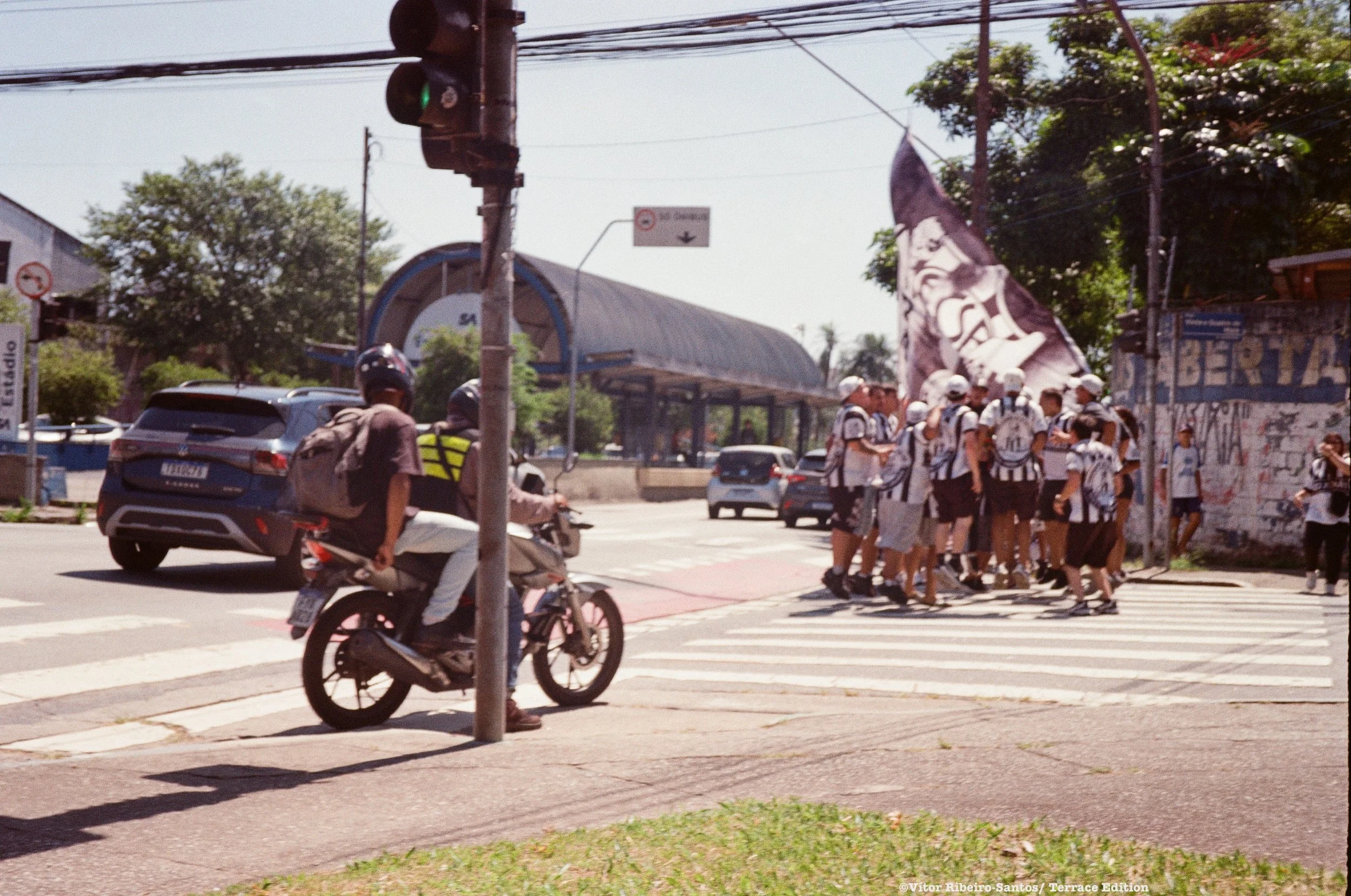
©Vítor Ribeiro-Santos/ Terrace Edition. EC São Bernardo supporters.
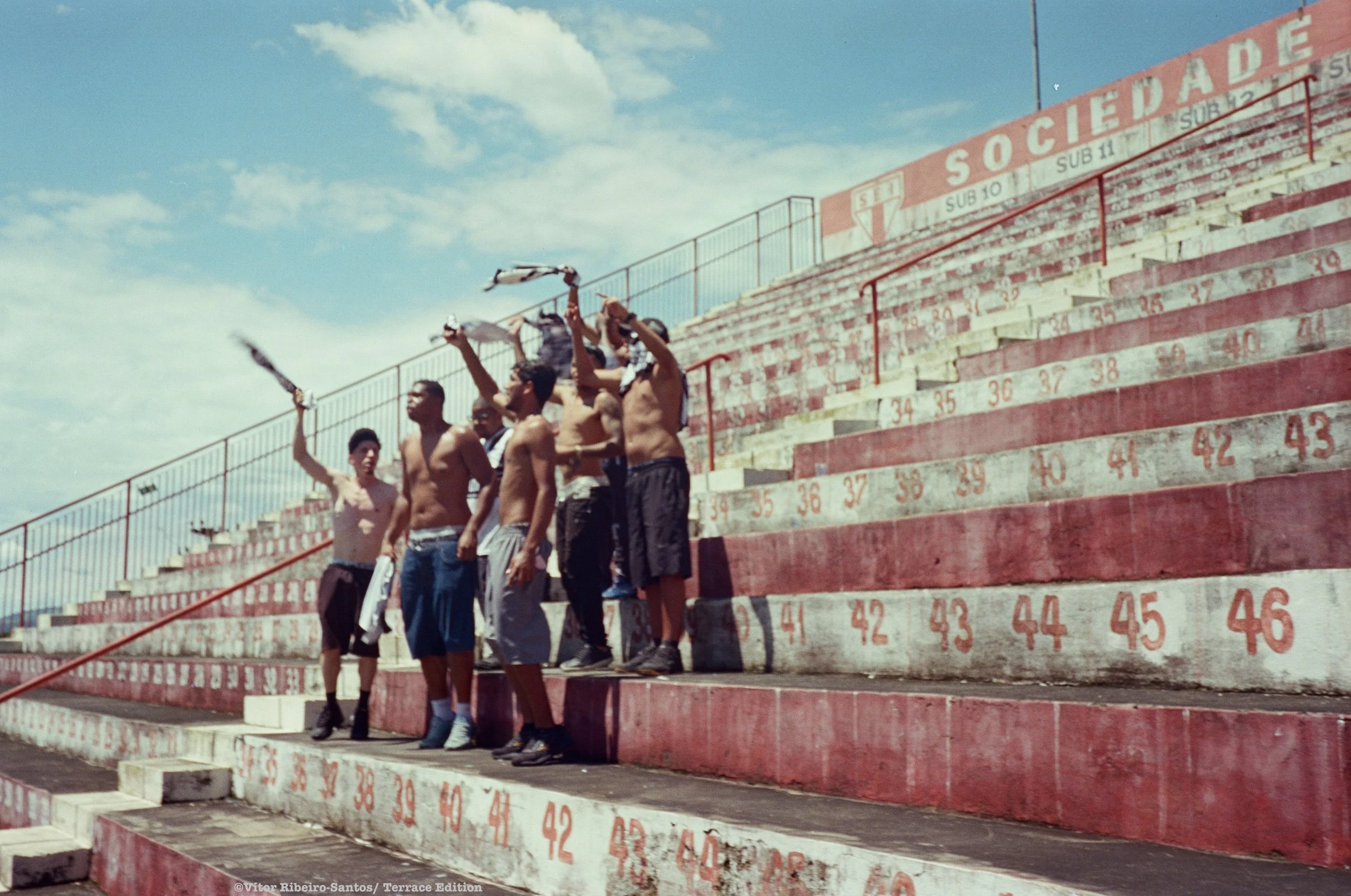
©Vítor Ribeiro-Santos/ Terrace Edition. EC São Bernardo supporters.
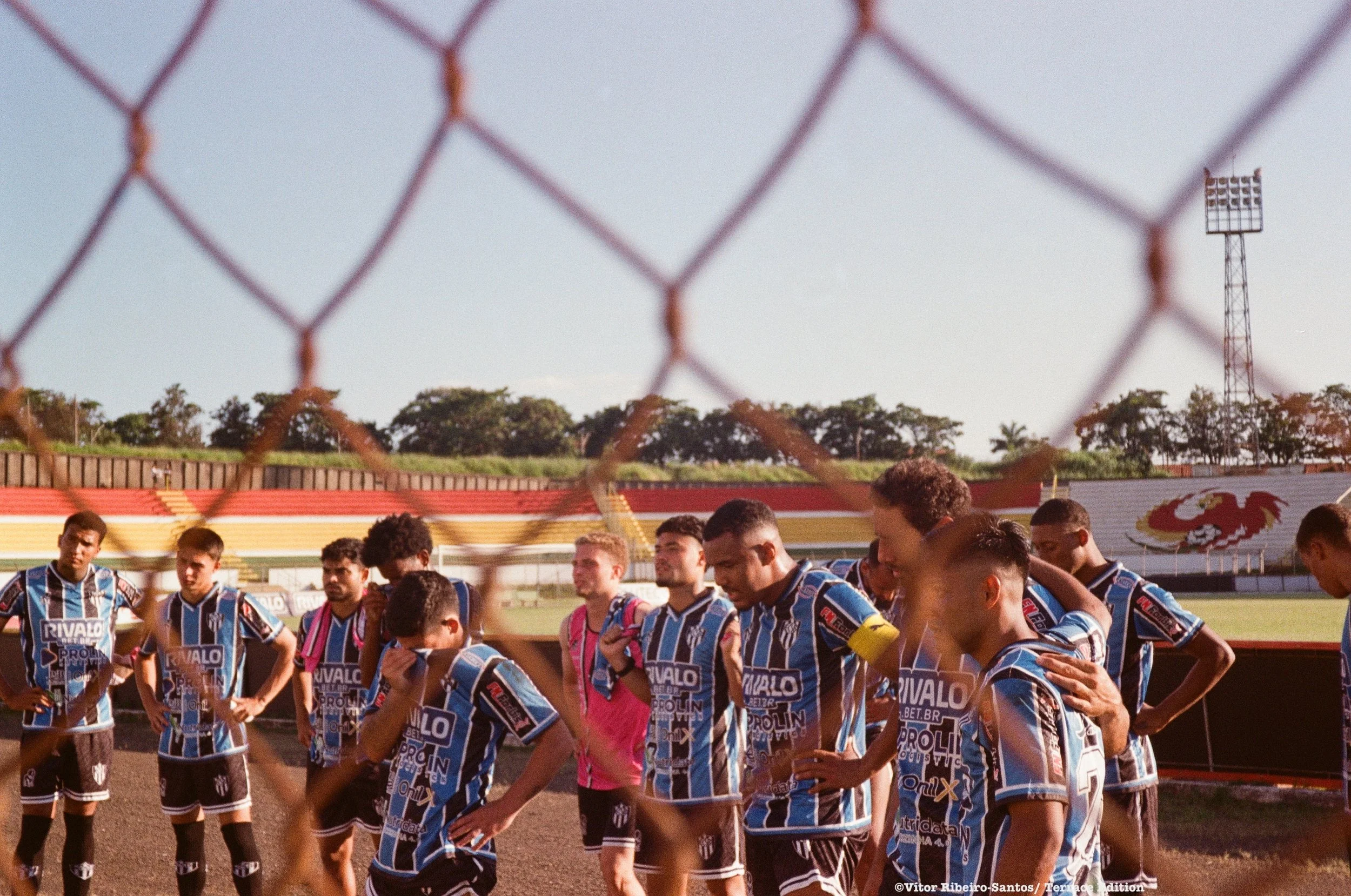
©Vítor Ribeiro-Santos/ Terrace Edition. EC São Bernardo supporters.
Vítor is on Instagram: @escrever_esquecer and X: @escrevesquecer
Esporte Club São Bernardo are on Instagram: @ecsaobernado