Náutico: Rowing against the tide
Words: João Mário Prado
Images: João Mário Prado
Among the bustling avenues of the Rosa e Silva district in Recife, Pernambuco, the historic Estádio Eládio de Barros Carvalho (universally known as Aflitos) stands as a living sanctuary of South American football heritage.
Unlike modern, soulless arenas built on distant peripheries, Aflitos is the quintessential neighbourhood fortress.
It is woven seamlessly into the daily urban fabric of those who walk its surrounding sidewalks every single day, anchoring the community's collective memory.
Clube Náutico Capibaribe is a century-old institution forged in local pride, resilience, and tradition.
Founded in 1901 along the banks of the Capibaribe River, the club’s name refers to being formed by a group of rowers and you can see their oars to this day on the club crest.
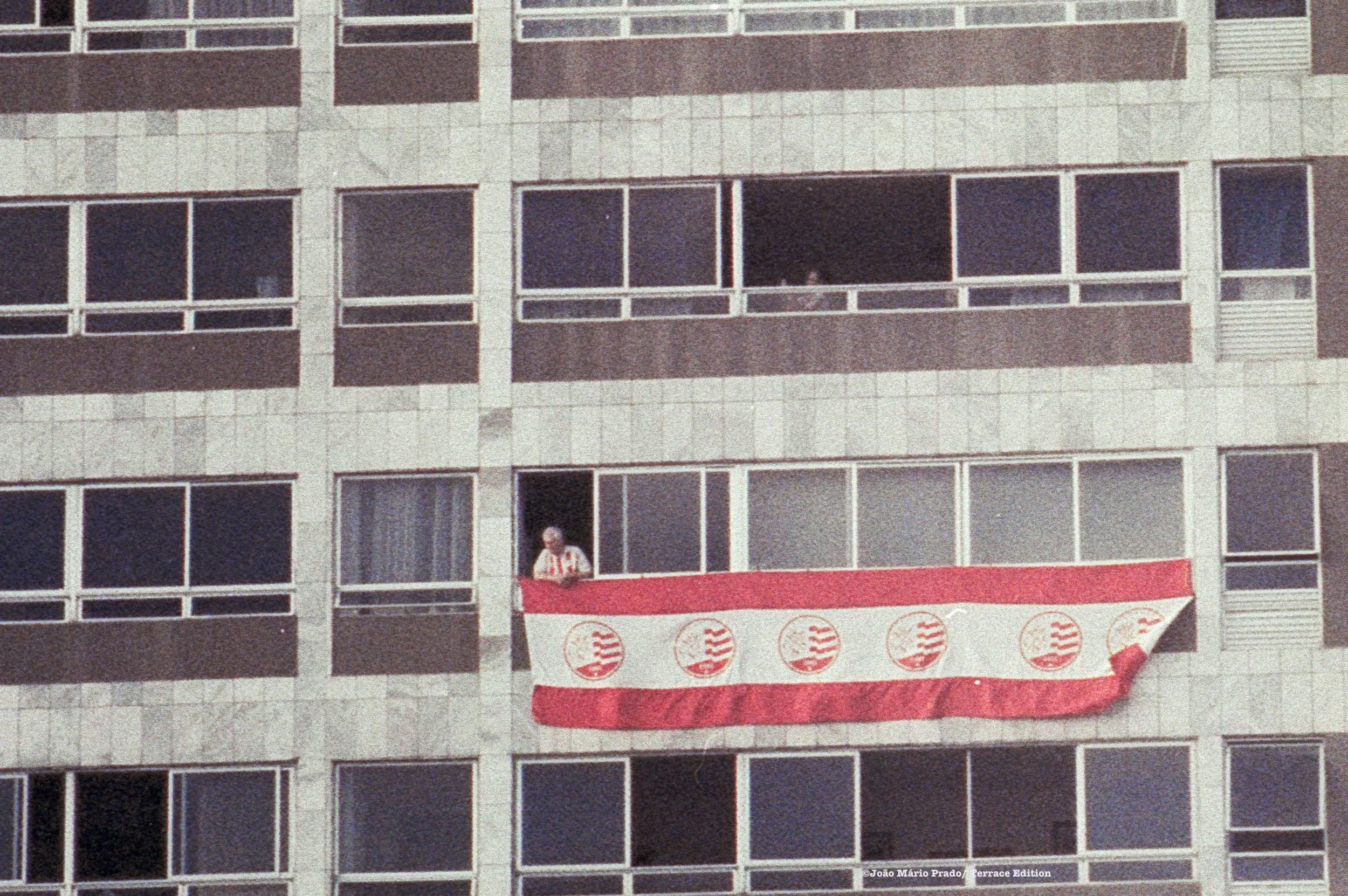
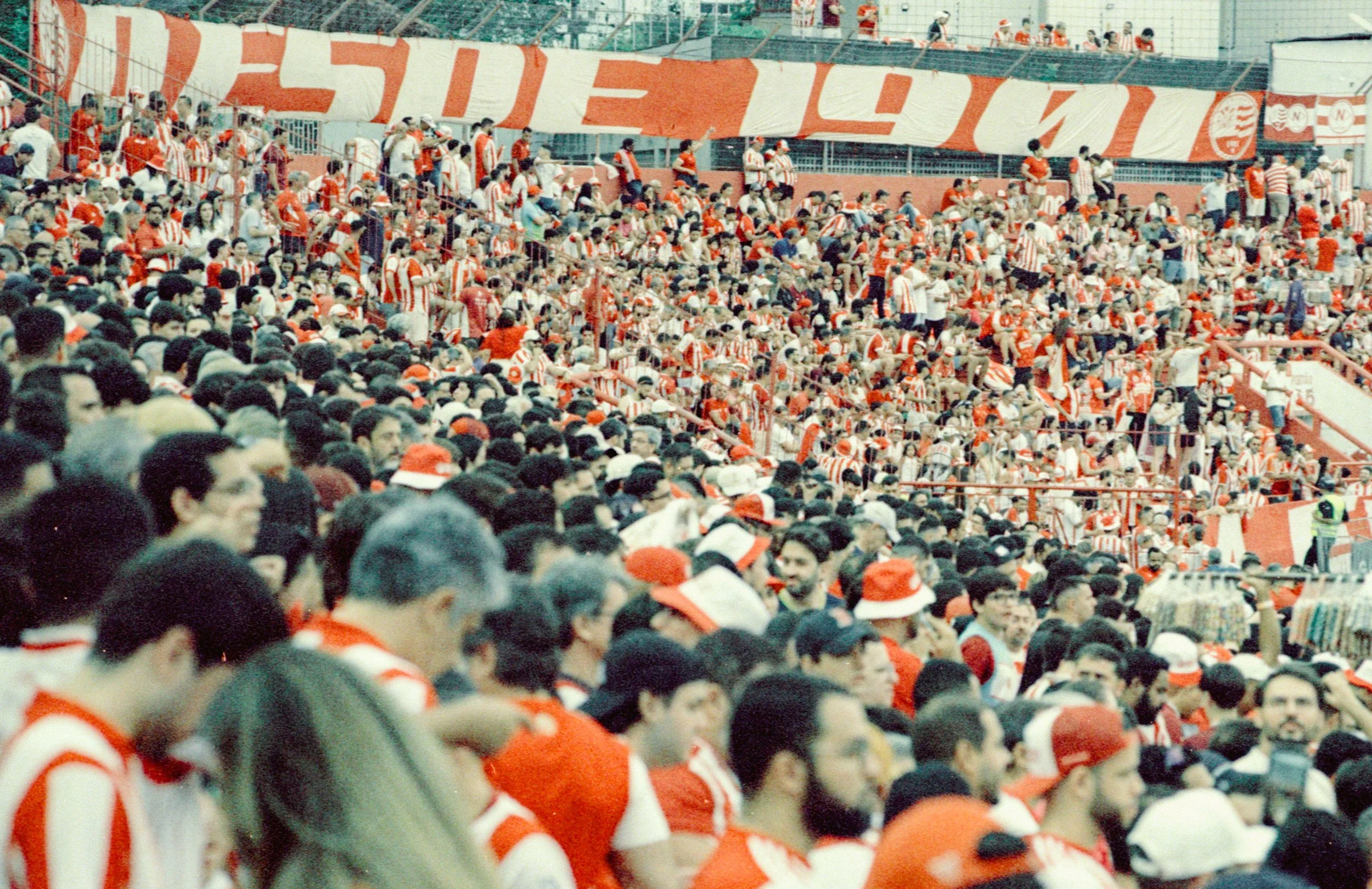
©João Mário Prado/ Terrace Edition. Clube Náutico Capibaribe supporters.
The club carries a historic legacy defined by domestic dominance; most famously, the legendary Hexacampeonato of the 1960s, an unprecedented streak of six consecutive state titles that permanently etched the red-and-white stripes into Brazilian football folklore.
Yet, the true soul of Náutico is not measured merely by silver trophies from past eras, but by the fierce, unconditional devotion of its supporters today.
On a personal level, this work touches the core of my identity.
Náutico is my boyhood club, and memories of walking toward Aflitos as a child hypnotized by the sea of red and white, have inhabited my imagination for as long as I can remember.
Documenting these matchdays is not merely capturing a subculture through a lens; it is revisiting the backdrop of my own upbringing and honouring these roots.
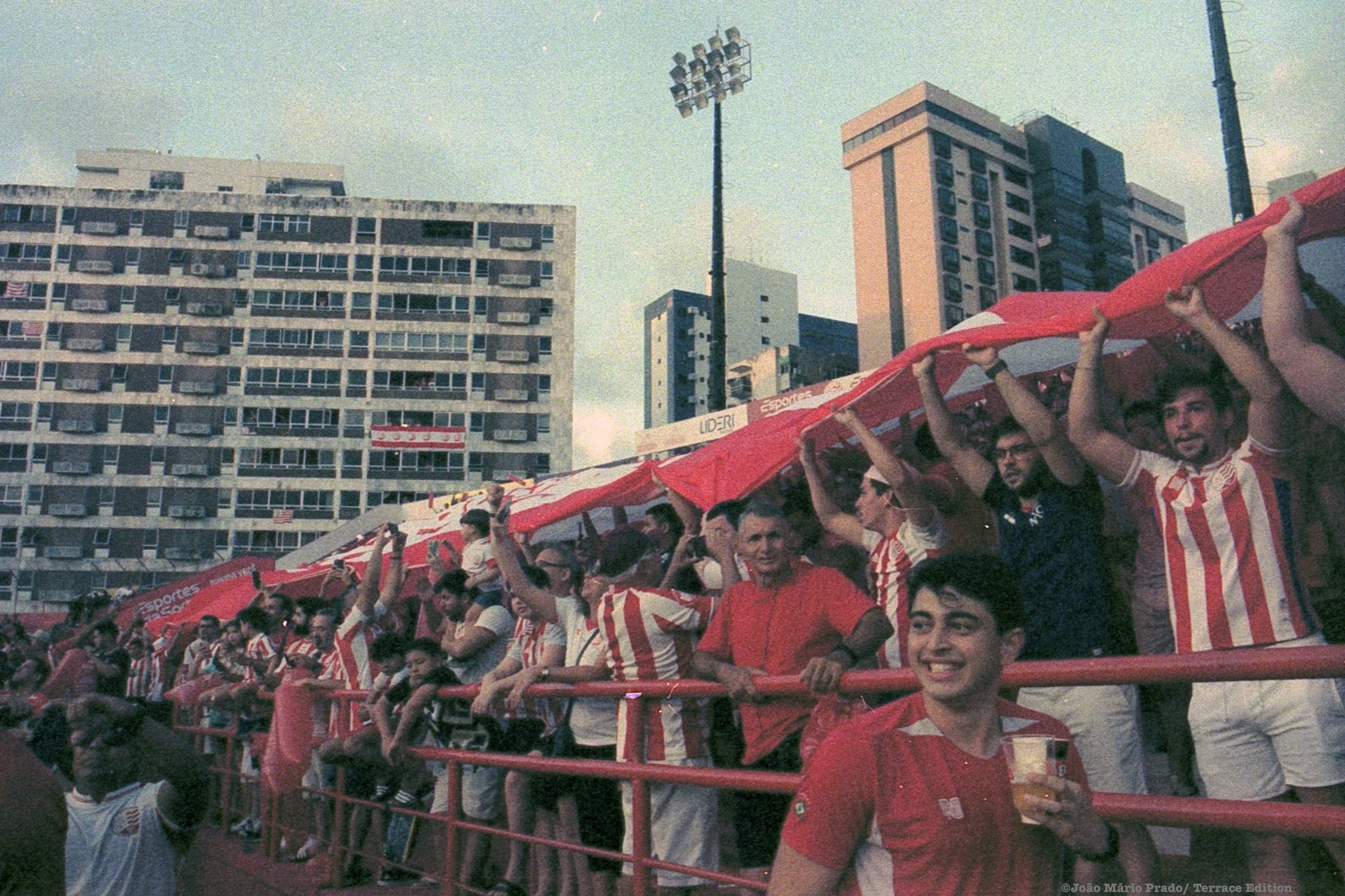
©João Mário Prado/ Terrace Edition. Clube Náutico Capibaribe supporters.
To experience a matchday at Aflitos is like stepping directly into an immersive sensory time capsule.
Hours before the referee blows the opening whistle, the quiet residential streets around the stadium transform into an open-air festival.
The heavy aroma of street food, the sound of cold beers hitting plastic tables, and the echoing chants passed down through generations create an electric, unmistakable energy.
Inside the stadium, the extreme proximity of the stands to the pitch creates an intense intimacy between players and fans, where every roar reverberates.
The terraces become a vivid canvas of organic human emotion. Red and white flags wave rhythmically against the humid evening air, weathered faces tell stories of decades of loyalty, and the unyielding passion of the crowd cuts through the glow of the floodlights.
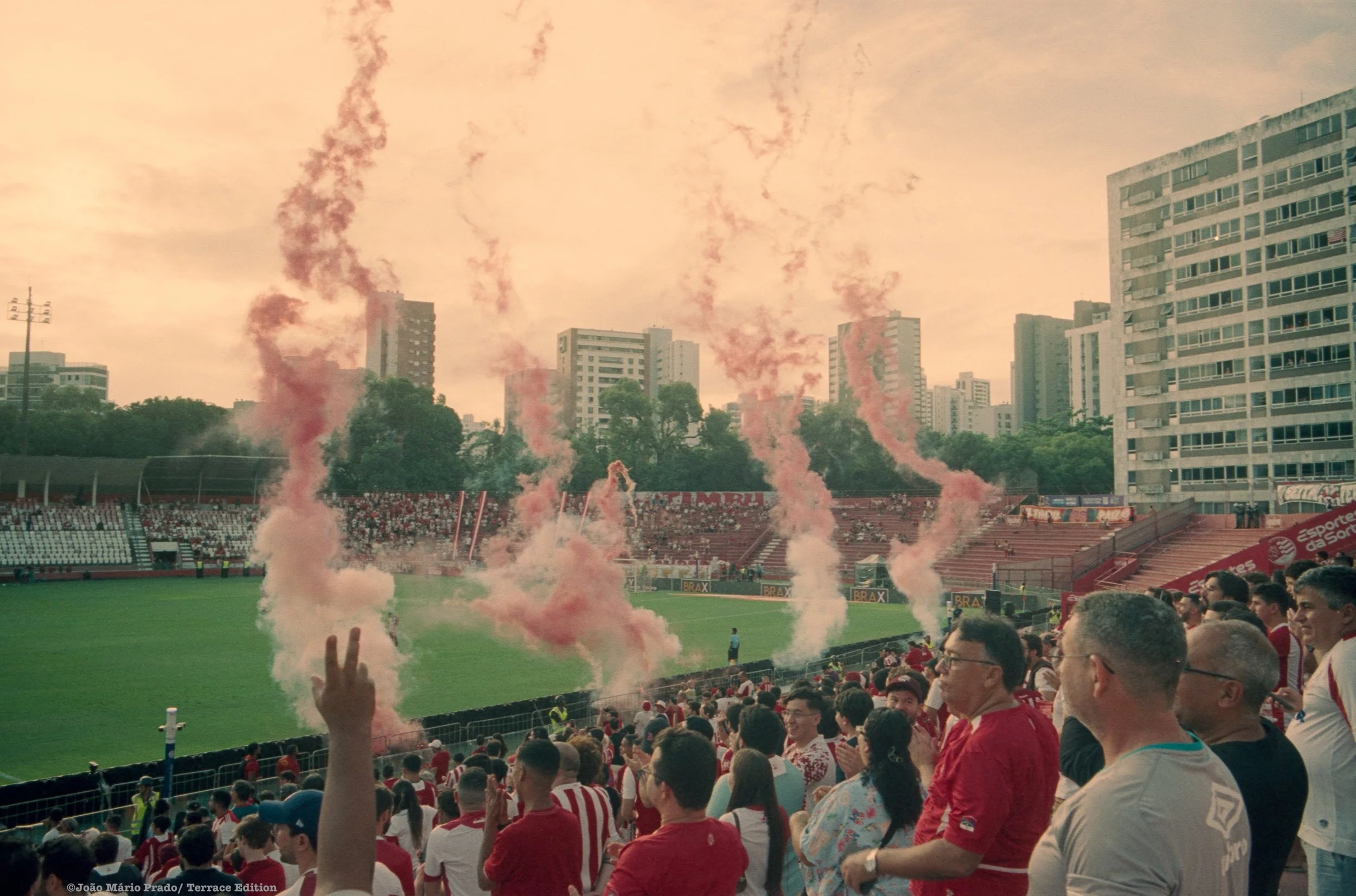
©João Mário Prado/ Terrace Edition. Clube Náutico Capibaribe supporters.
It is a raw, unscripted theater of devotion, where football remains an unadulterated community ritual.
Through the raw grain, high contrast, and organic textures of motion picture film, this photographic series documents the unpolished beauty of Náutico’s culture.
It is a visual homage to an authentic, grassroots club whose heart beats strongest when tested, kept alive entirely by local pride, neighborhood identity, and the timeless romanticism of traditional South American football.
High contrast. Red and white soul. Rowing against the tide. Pure local passion.
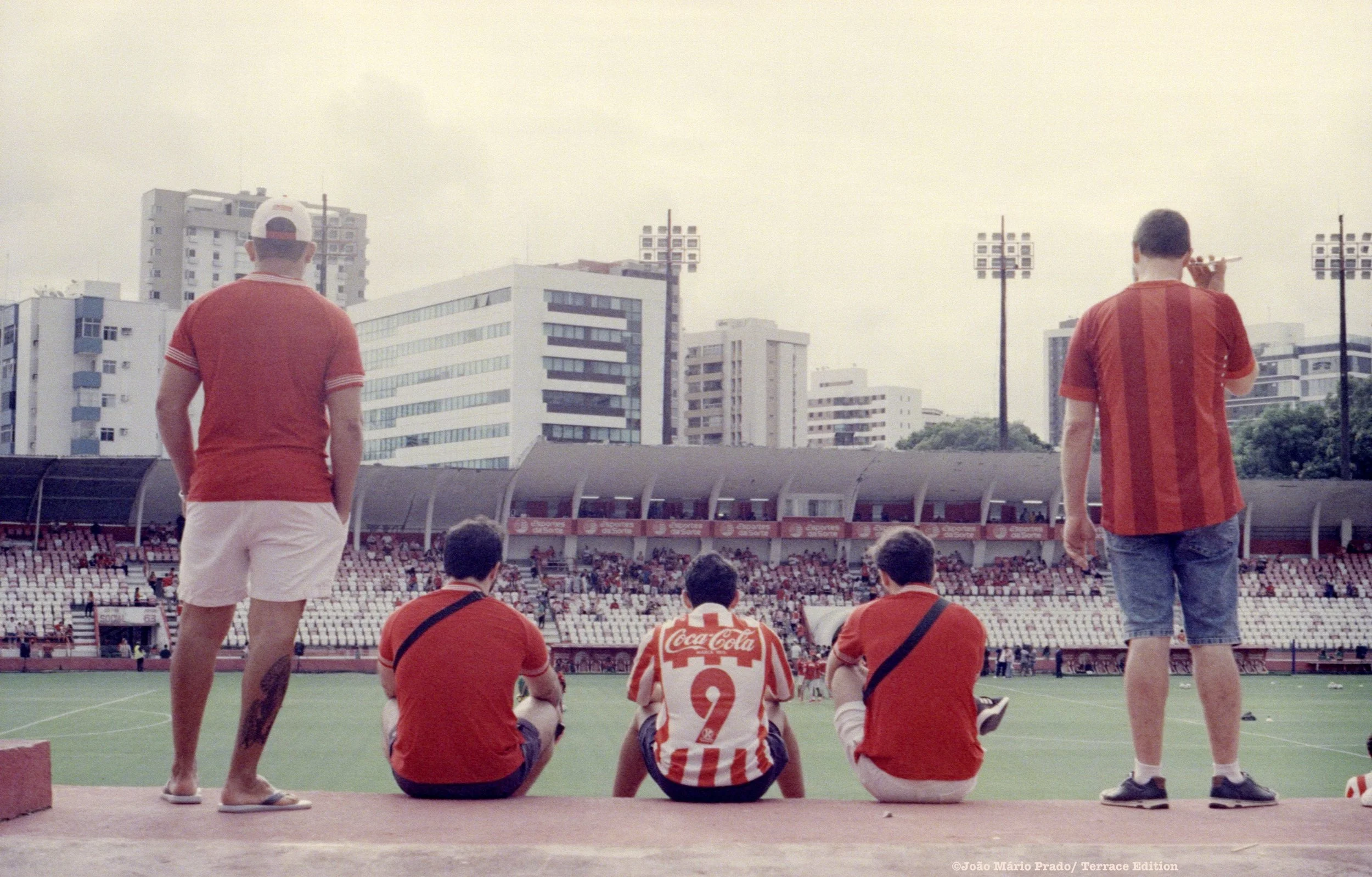
©João Mário Prado/ Terrace Edition. Clube Náutico Capibaribe supporters.
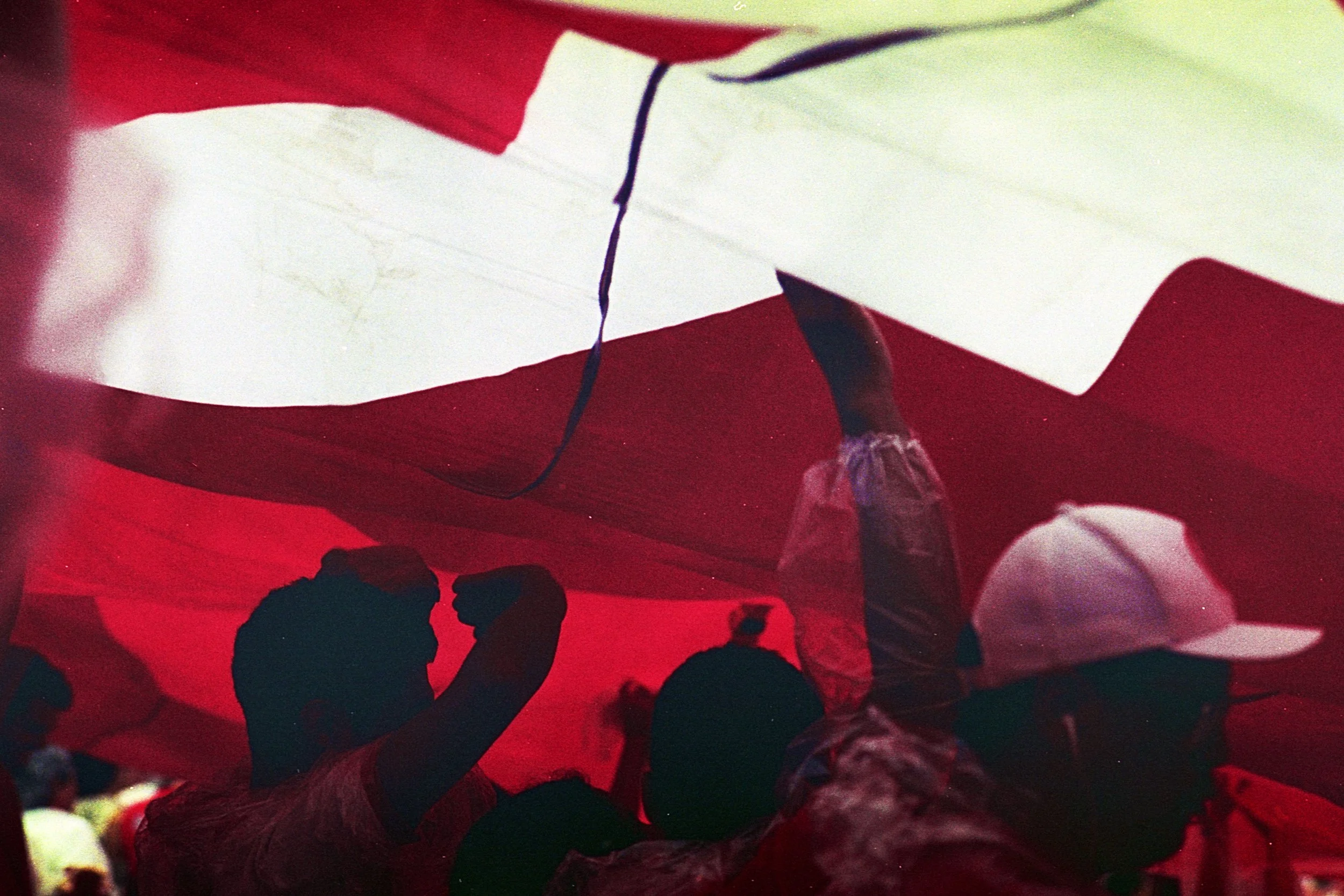
©João Mário Prado/ Terrace Edition. Clube Náutico Capibaribe supporters.
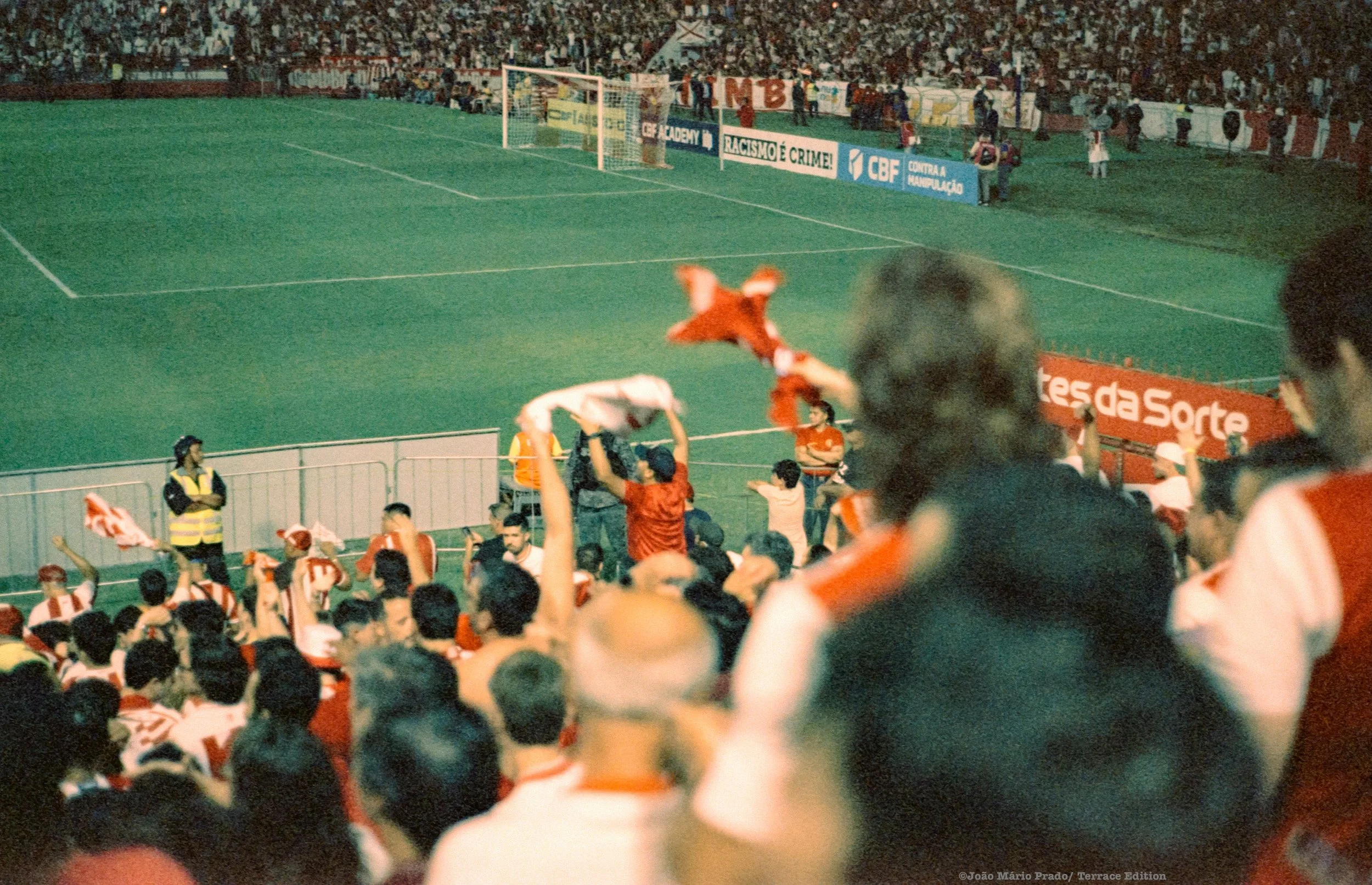
©João Mário Prado/ Terrace Edition. Clube Náutico Capibaribe supporters.
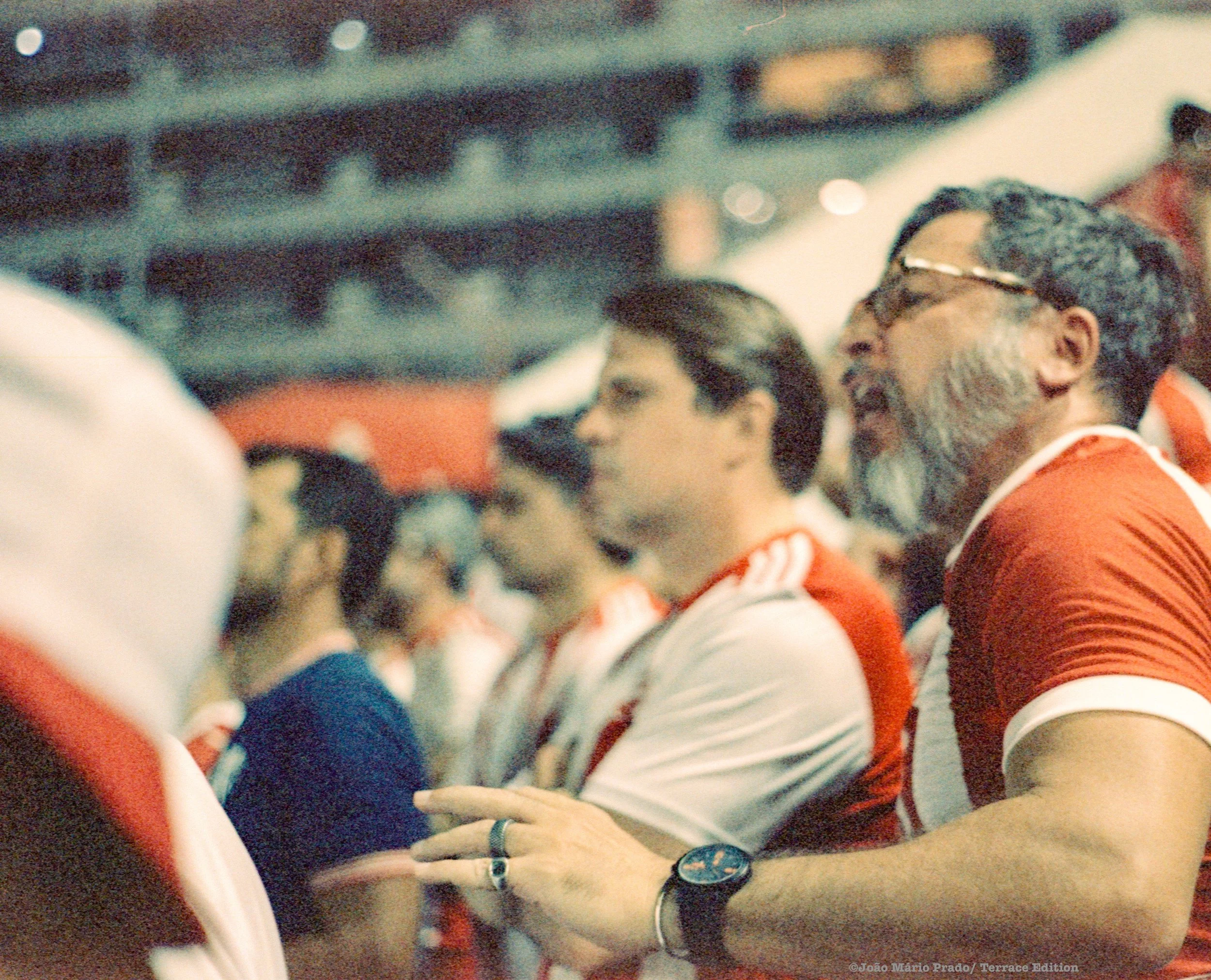
©João Mário Prado/ Terrace Edition. Clube Náutico Capibaribe supporters.
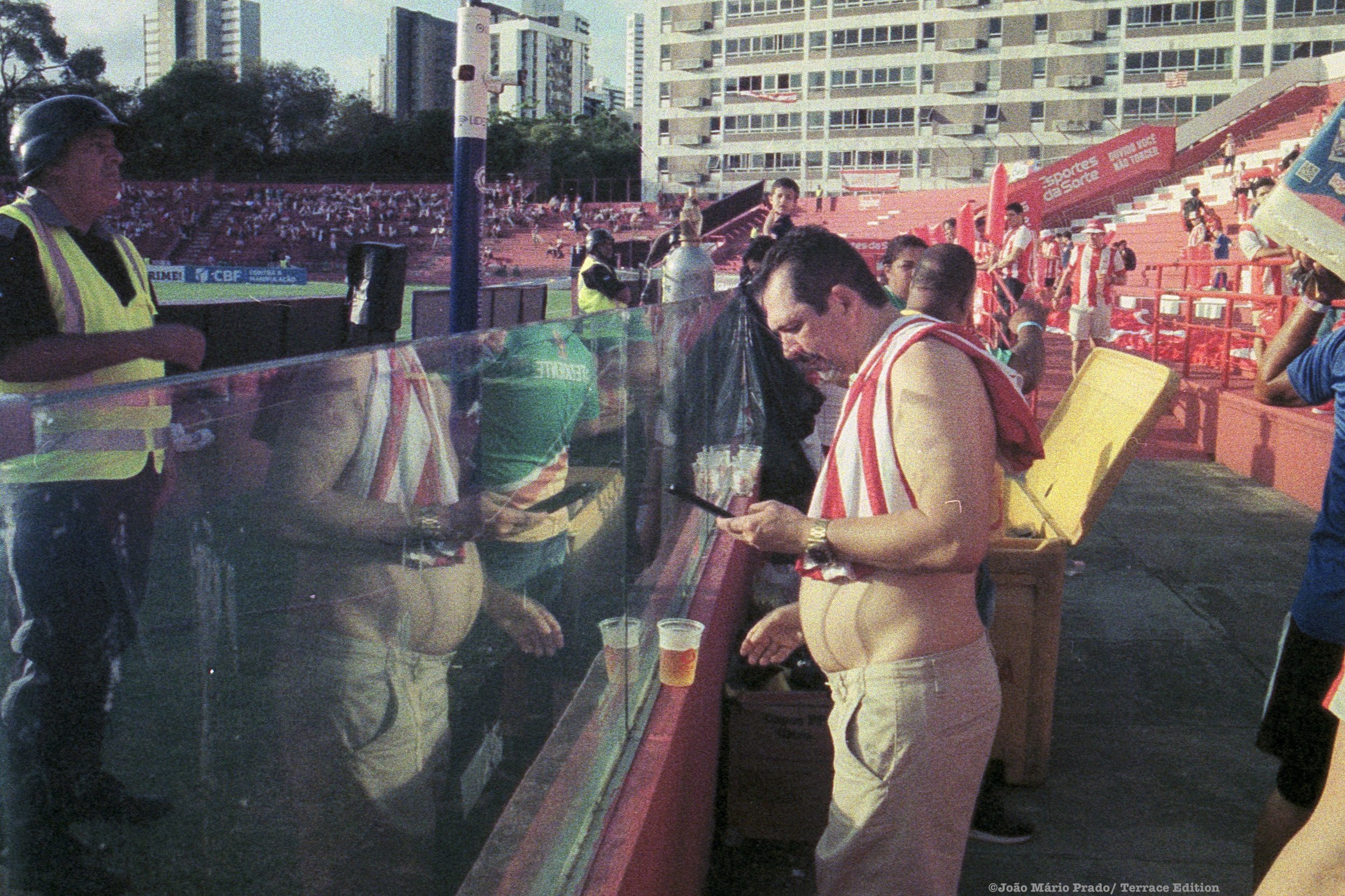
©João Mário Prado/ Terrace Edition. Clube Náutico Capibaribe supporters.
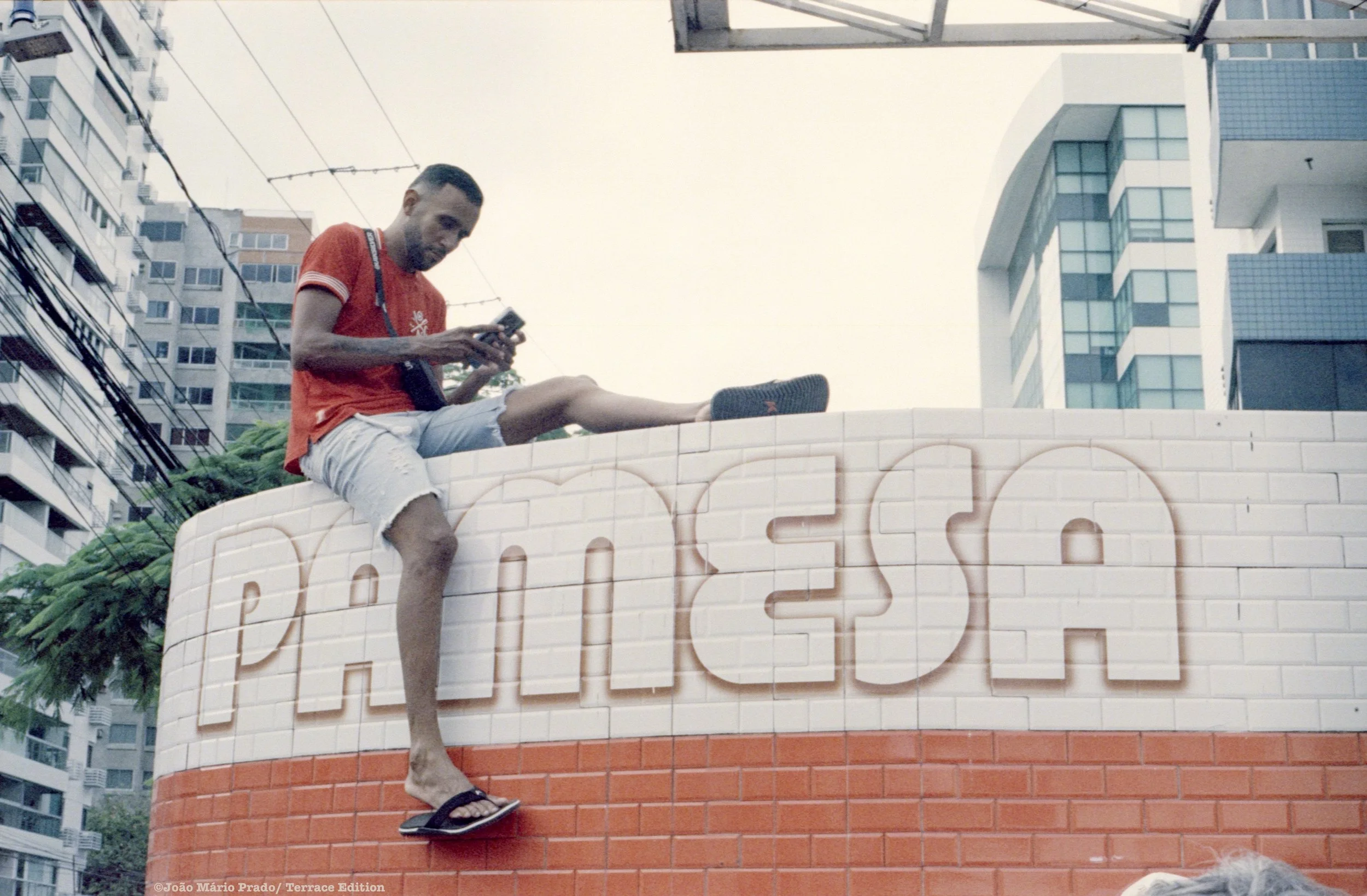
©João Mário Prado/ Terrace Edition. Clube Náutico Capibaribe supporters.
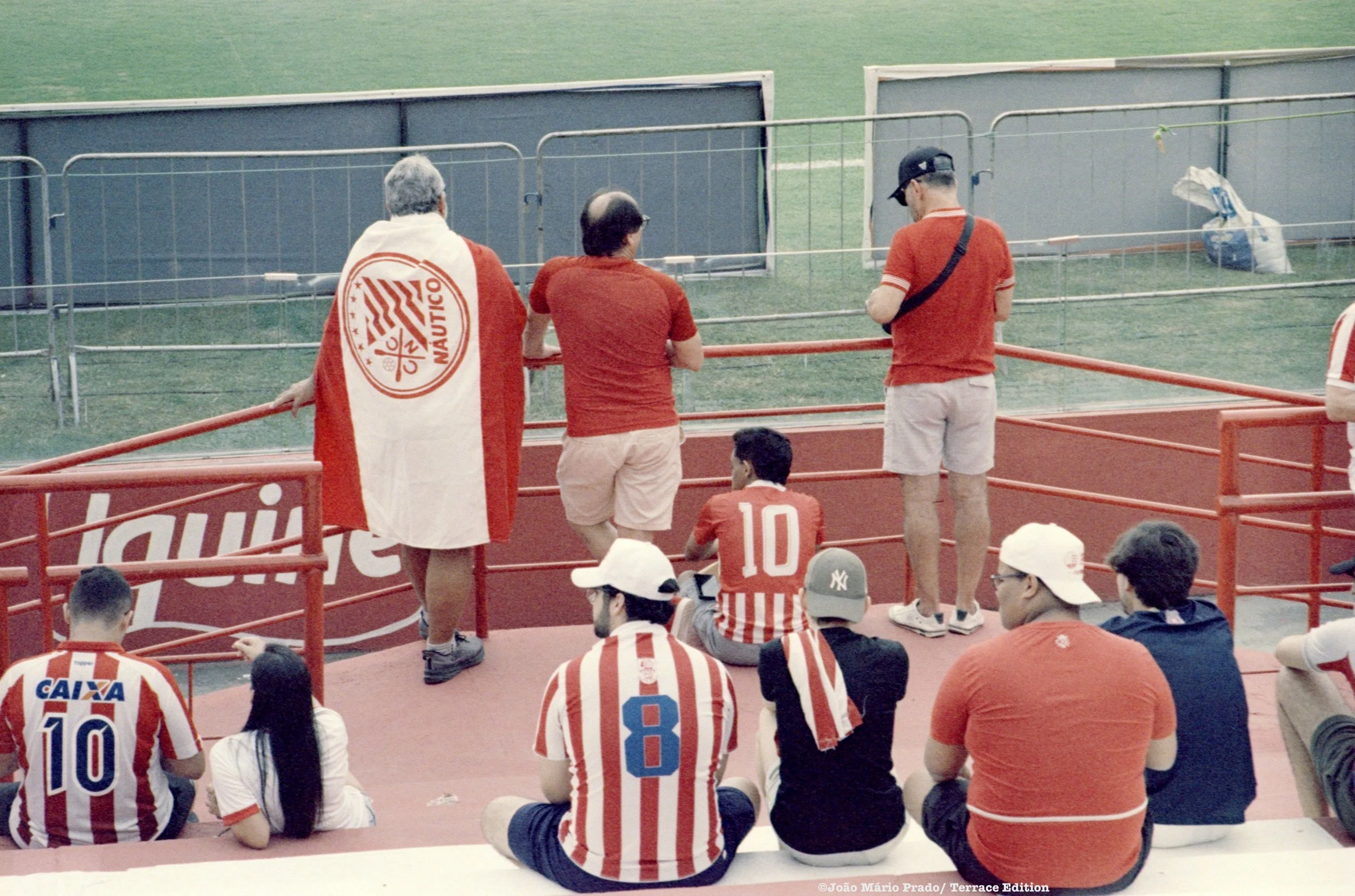
©João Mário Prado/ Terrace Edition. Clube Náutico Capibaribe supporters.
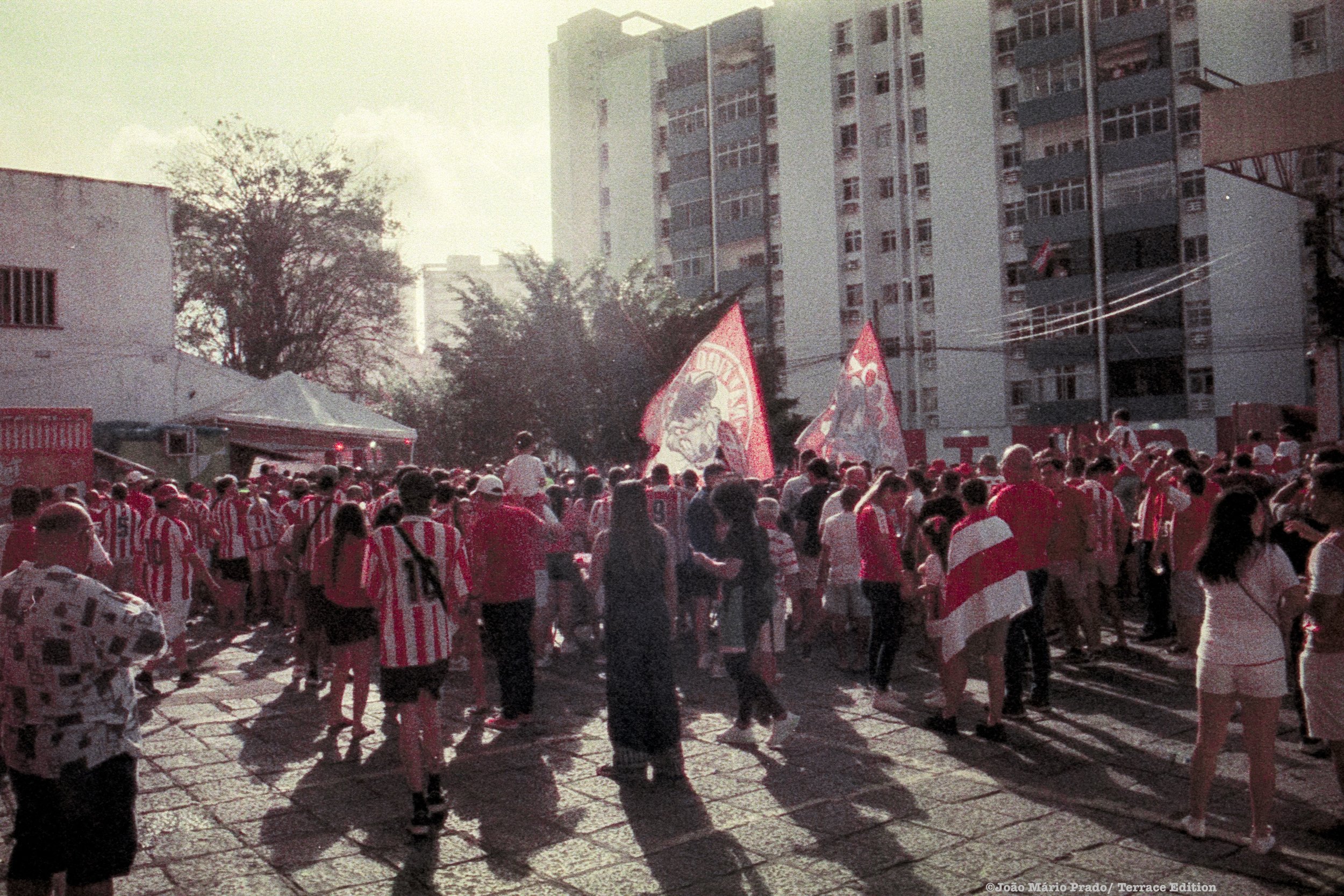
©João Mário Prado/ Terrace Edition. Clube Náutico Capibaribe supporters.
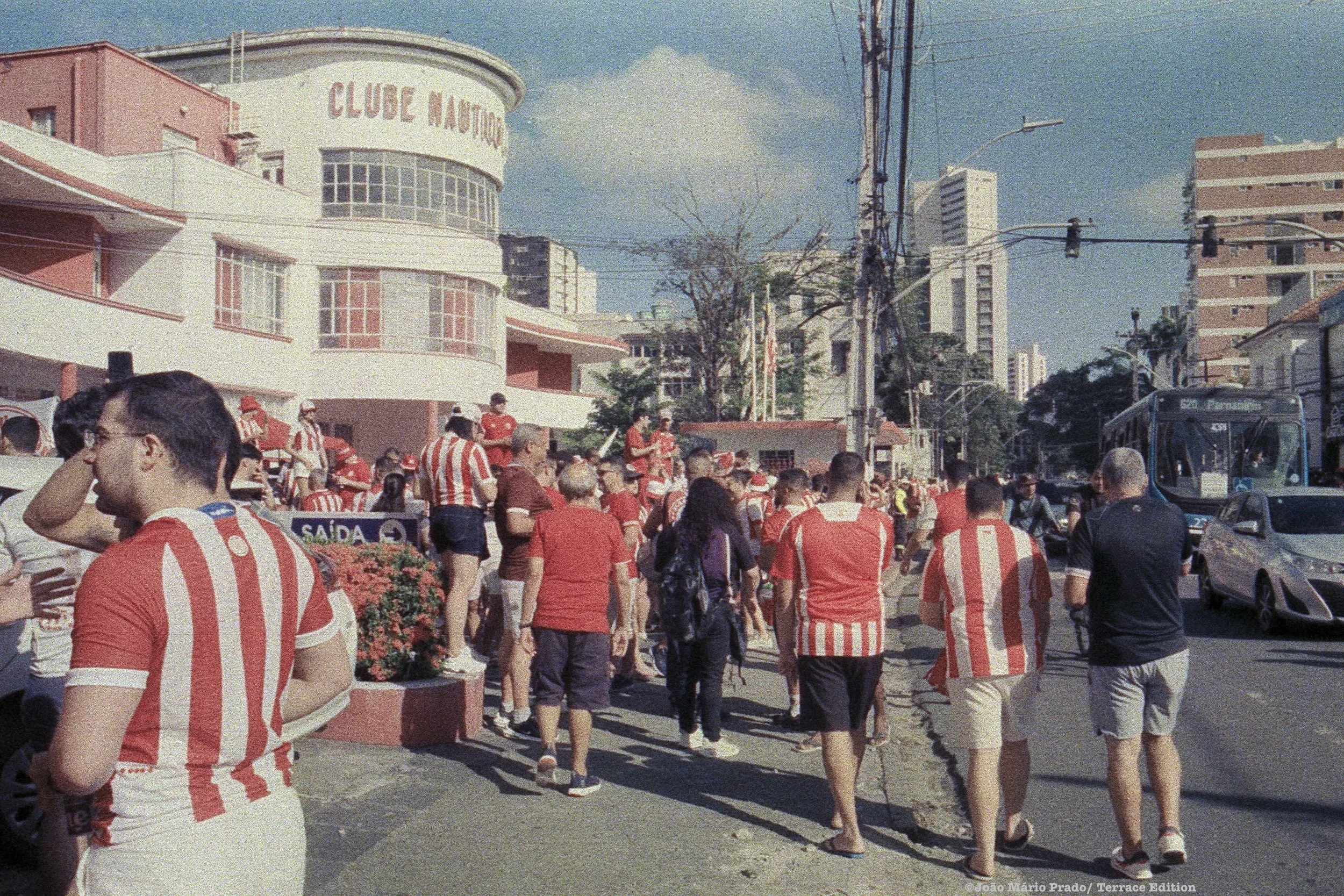
©João Mário Prado/ Terrace Edition. Clube Náutico Capibaribe supporters.
©João is on Instagram: @joma.doc