To beer or not to beer?
Words: Tom Reed
Images: Tom Reed
Andy Burnham is a football supporter through and through. Past the turnstiles he’s an Evertonian, while politically, he was a key part of Labour’s Football Taskforce of the late 90’s.
Burnham was a good pal of the late great Brian Lomax, who set up the first supporters’ trust at Northampton Town in 1992, with the pair sharing ideals that fans should be partners in the running of football and going on to set up Supporters Direct, the single issue body facilitating fan-ownership of clubs.
The Prime Minister’s recent suggestion that a ban on supporters drinking booze in sight of the match in the top five tiers of English football is “discrimination” is less of an own goal then, but a carrying of the ball down a blind alley, losing track of the game in his peripheral vision.
“I do believe there is a case to remove that discrimination” he told reporters on a trip to the United Nations, finding time to discuss the key topic of pints before the less pressing matter of a two state solution in the Middle East.
The response on social media to the suggestion of doing away with the Sporting Events (control of alcohol etc.) Act 1985 from fans themselves, was less of an easy win than perhaps Burnham thought, with a collective tapping of iPhone glass in opposition.
The cynicism was that strong, so as best read in the style of a Cardiff City fan in the Ninian Park pub circa ‘85 “Im not sure that’s a very good idea. Now get me a pint of Brains Dark butt.”
One of the common points of opposition from social media is the potential for beer or, god forbid, dark fruits cider to be thrown around in the stands, causing the wet headed condition known as “box park bonce”.
Football fans are known to turn up to games in expensive casual styles, while replica shirts cost an arm and a leg, so few, it seems, are thrilled about the potential of going home with that unmistakable smell of yeast and sugar running in the jeans.
In the Netherlands, where beers in the stands is still a thing, even in the Eredivisie, they have a name for the ritual throwing of plastic beer glasses onto the pitch, the rather beautiful sounding “vreugdebier” or joy beer.
Unfortunately you can’t travel to away matches in Holland at the top level without going via controlled “combi” car or coach transport, while the Dutch Football Association is looking at bringing in a new ID-linked ticket system, which means having a beer can come with a counter-balance of a loss of carefree anonymity.
It is worth asking therefore, if keeping the pitch-side area beer free in the top five levels of English football is a price worth paying for retaining wider freedoms?
Alcohol is no-go on certain supporters’ coaches but you can travel by train and carry whatever booze setup you like, with a culture of “train cans” and even fans taking on whole optics spirit setups with little consequence other than a sore head the next day.
Policing has modernised in the game here to be a far less hands on presence than it was back in the 80’s, so much so that supporters in countries like France compliment our boys in blue for not wading in with batons so much as happens over the channel.
English Hooliganism through the late 60’s to the early 90’s was always overblown (and sensationalised) in terms of numbers of organised firms compared with the millions who enjoyed football up and down the country.
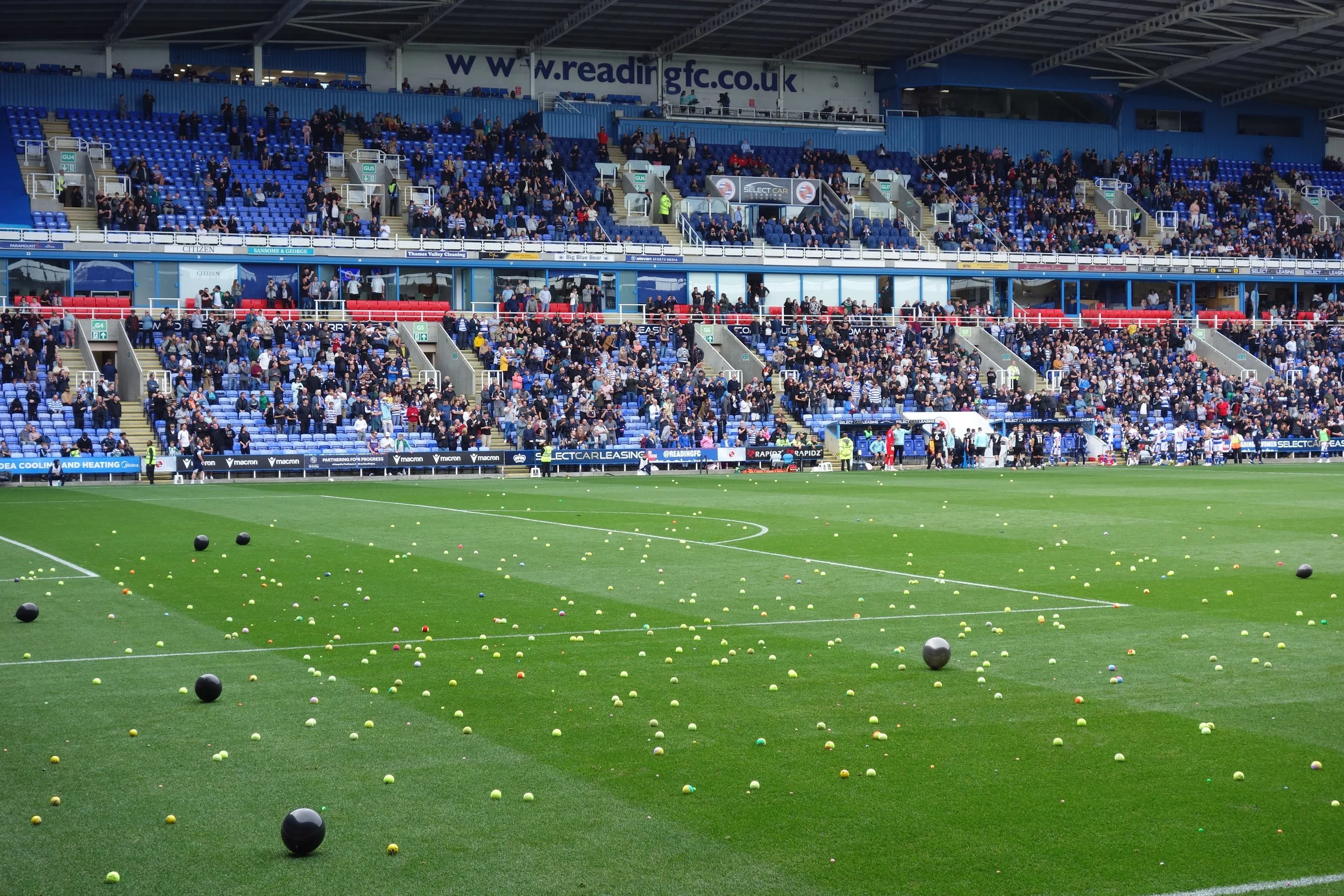
But low level disorder and anti-social behaviour seems to have been reduced since the 1985 law was introduced. Annoying pitch incursions during matches and “items” thrown onto the playing surface are pretty rare now, with a feeling that the game itself is sacrosanct.
Any chance that could change with the re-introduction of booze in the stands is therefore not really worth taking.
Stewarding of matches has been a bugbear for some supporters who see the “hi-viz brigade” as an irritating incursion to the organic enjoyment of matches. The last thing we need is stewards getting involved when things get lary with regards pints next to the pitch, while its doubtful they will be salivating at the thought of the possible change.
This is without mentioning the all-seater stadia scourge in England that means going for beers during the match will incur the tiresome need for whole rows of seated fans to stand and let those doing the Carling shuffle to get to the bar.
We must protect the truly peculiar British custom of supporters who watch the entire sporting event on stadium concourse TV’s, enjoying a pint according to the rules but seeing a blade of grass even though they are actually at the event.
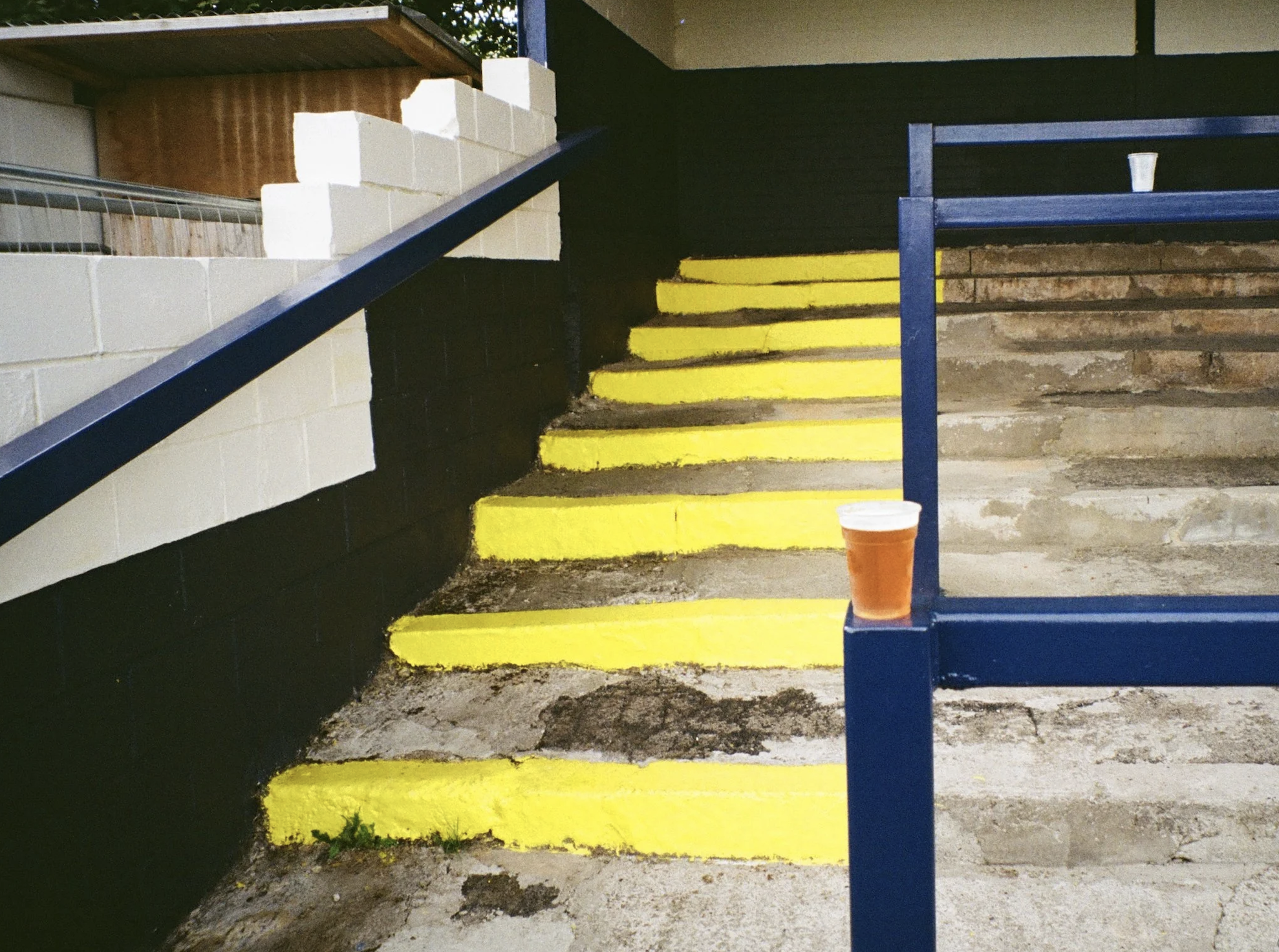
In non-league, of course, below the National League, beers next to the pitch is still going strong, but there is often terracing and more freedom to move away from anyone who’s not your cup of tea or perhaps has had one too many.
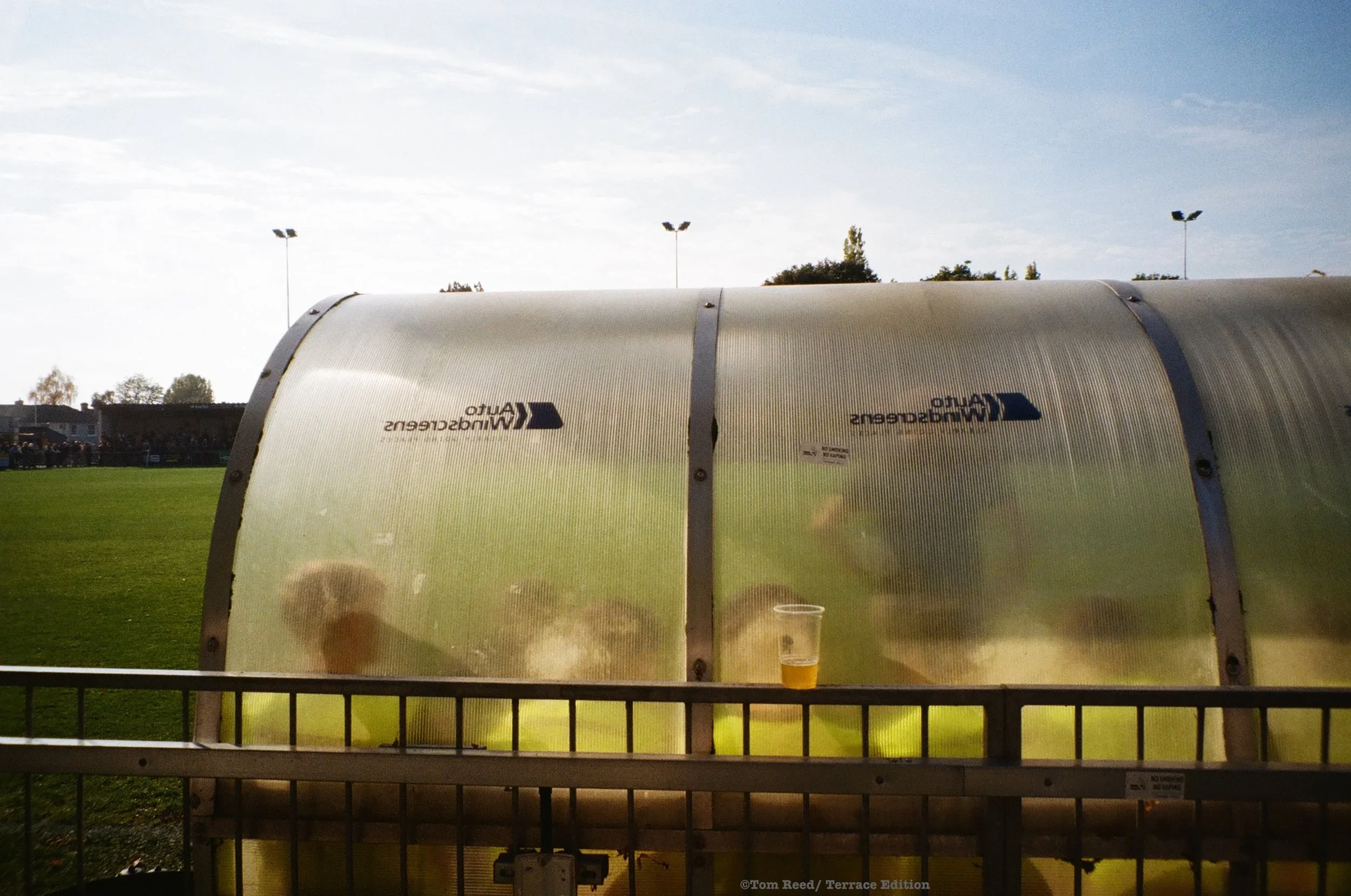
©Tom Reed/ Terrace Edition. Pint. Hampton and Richmond Borough FC (non-league).
Beers by the pitch in non-league differentiates football from that of the EFL and Premier League and we should think about keeping those variations in fan culture.
The overall sense of caution with regards changes to football’s relationship with alcohol is only a hunch, but one born out of decades of seeing the subtle ways that supporters have adapted their behaviours.
You get the feeling that Burnham should have bigger fish to fry with regards domestic football, not least ticket price inflation and the pricing out of poor supporters, which is even spreading down to the levels where you can enjoy a pint and be pelted by stray shots.
Burnham’s policies for supporter representation on the boards of clubs have largely stalled, supporters trusts’ have been sidelined at many teams, while overseas takeovers, particularly American are the order of the day.
Meanwhile, Supporters Direct, that helped create over 100 supporters’ trusts, merged with the wider issue Football Supporters Federation in 2018 following a 2011 funding crisis, with the game awash with money. Go figure.
At grassroots level, those involved with clubs that help produce generations of English talent and also Sunday league ball are probably pleading with Burnham“ what about us?”, while the Premier League’s 5% commitment to funding grassroots football, negotiated by the 90’s Taskforce, has been a bone of contention with overseas TV rights sky-rocketing.
Burnham, clearly both pragmatic and able to deal with the macro-level issues as well as micro breweries in football stands, might steel his mind then to putting together a study of the commercialisation of English football since the creation of the Premier League following the Football Association’s 1991 Blueprint for the Future of Football.
The overlooked 1991 FA document produced the telling line that ”the response of most sectors has been to move upmarket to follow the affluent ‘middle class’ consumer in his or her pursuits and aspirations. We strongly suggest that there is a message in this for football, and particularly for the design of stadia in the future.”
What we might have witnessed was an unprecedented cultural sporting shift way from the poorer sorts that had kept English football going though its untrendy years, the equivalent of Royal Opera being taken over by the Inter City firm under fives and singing Sergio Tacchini instead of Tosca.
Anyone fancy a pint?
Tom Reed is Terrace Edition Editor and can be found on X and Instagram: @tomreedwriting.
Tom is also on Bluesky @tomreedwriting.bluesky.social