A Sarajevo derby
Words: Niek Jansen
Images: Niek Jansen
Some matches are about football. Others are about identity, history and rivalry. The Sarajevo Derby firmly belongs to the latter.
On April 4, 2026, I attended the match between FK Željezničar and FK Sarajevo at Stadion Grbavica. It is the biggest fixture in Bosnia and Herzegovina, with the city quite literally divided into two sides.
Grbavica and the roots of Željezničar
Before the match, I walked through the Grbavica district. It doesn’t take long to realise this is not just another football club.
Željezničar was founded by railway workers, and that heritage is still clearly visible today. Murals, graffiti and symbols referring to the railway history of the club can be found throughout the neighbourhood.
It gives the club a raw and authentic identity.
The presence of The Maniacs, Željezničar’s ultras, is impossible to miss. Their name and messages are spread across walls and buildings, creating a strong sense of belonging — but also of territory. This is their area.
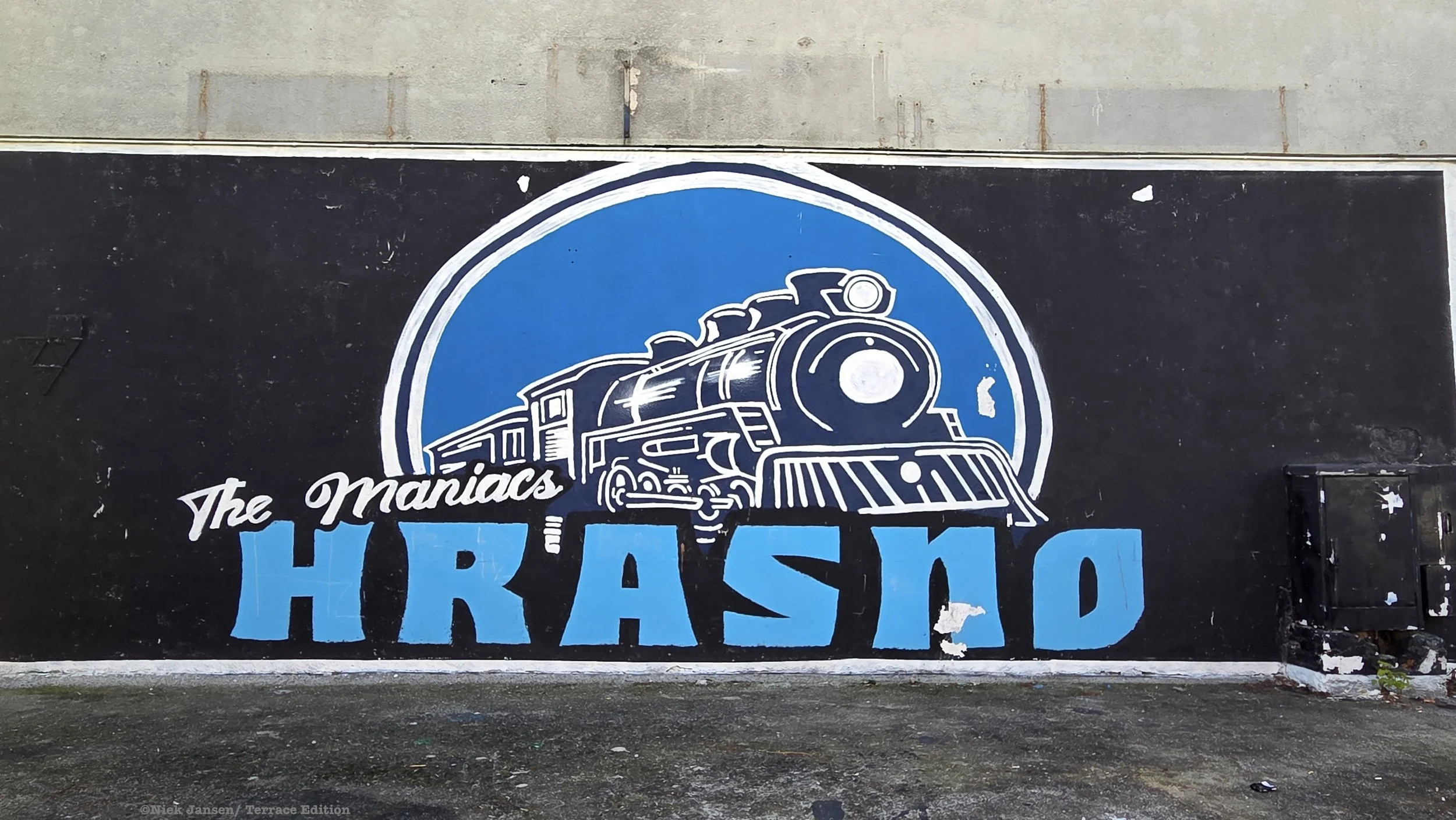
©Niek Jansen/ Terrace Edition. FK Željezničar street art.
Two clubs, two identities
On the other side stands FK Sarajevo, a club with a different background and following within the city. While Željezničar is closely tied to its working-class roots, Sarajevo is often associated with a broader, more urban fanbase.
Their supporters group, Horde Zla, was well represented in the away section. They provided a constant counter-sound, underlining the rivalry that makes this fixture so special.
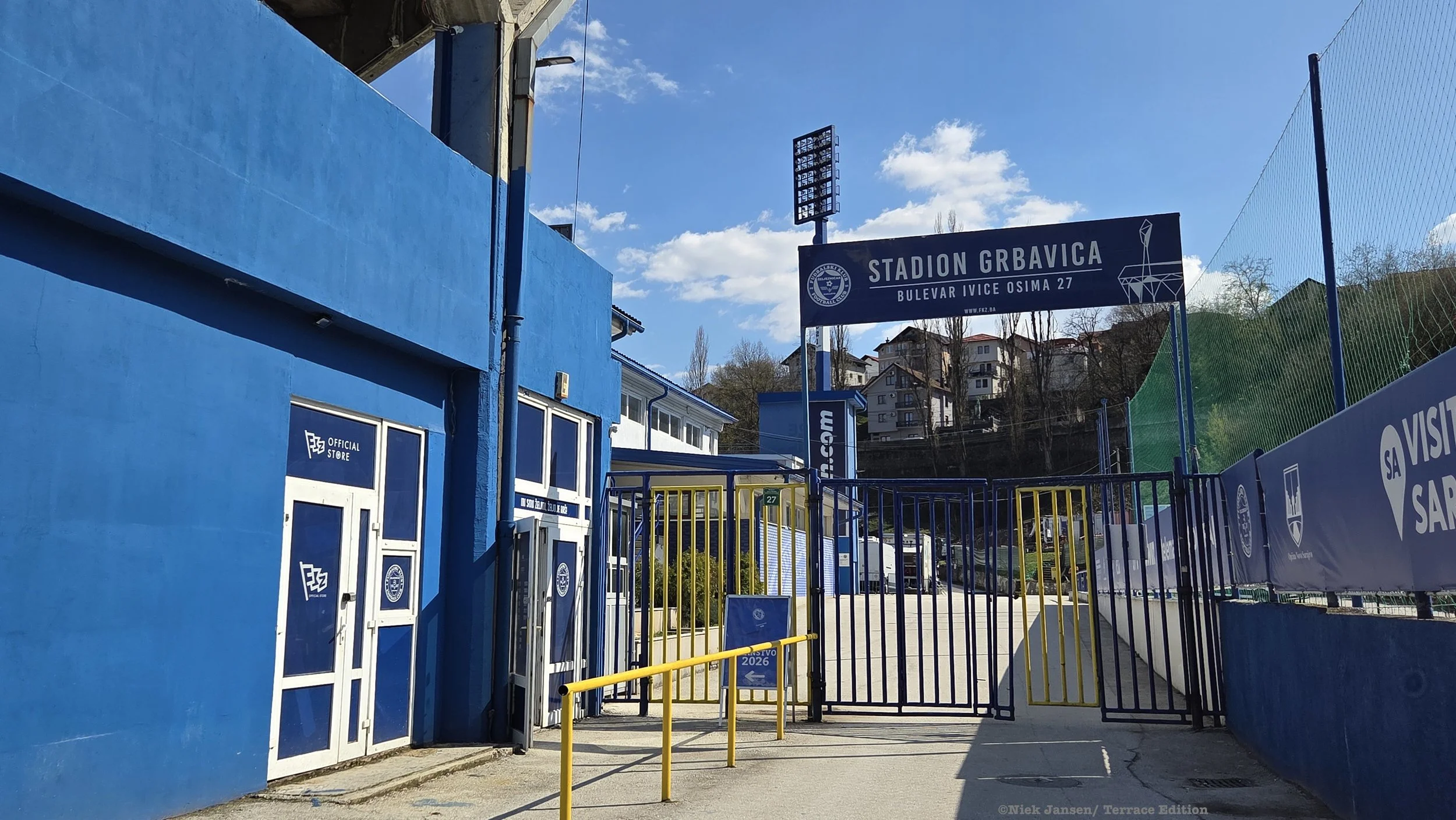
©Niek Jansen/ Terrace Edition. Stadion Grbavica.
Sold out, despite limitations
An attendance of 8,000 might not immediately suggest a full house, but this match was completely sold out.
Due to ongoing renovations, the entire south stand is currently closed, significantly reducing the stadium’s capacity.
In addition, strict safety regulations for this high-risk fixture require buffer zones between supporters, further limiting the number of available tickets.
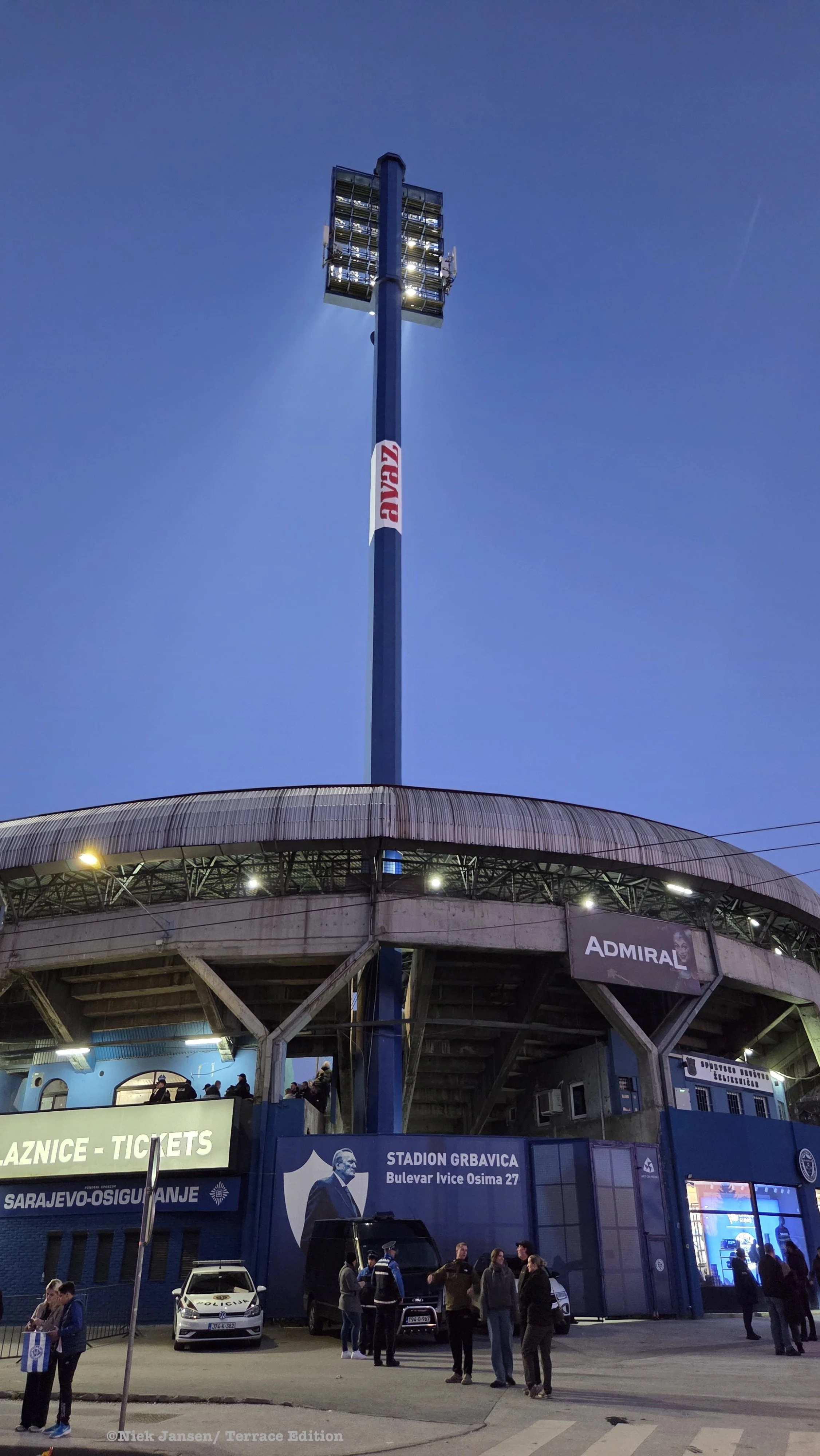
For this match, the maximum capacity was set at 8,000 — and every ticket was sold in advance. The reduced capacity actually added to the intensity, making the stadium feel more compact and enclosed.
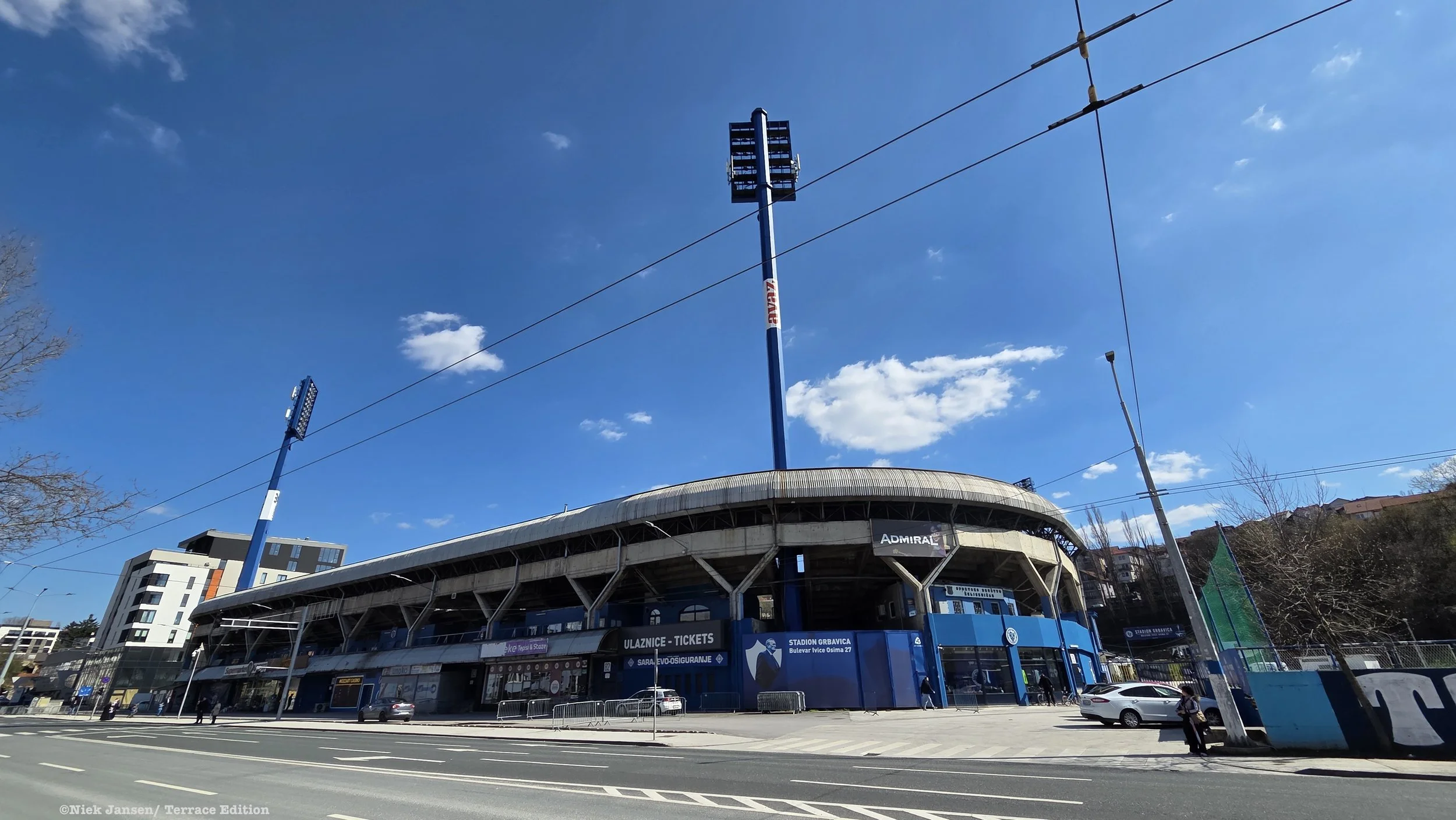
©Niek Jansen/ Terrace Edition. Stadion Grbavica.
In the stands
From the first minute, the atmosphere was there.
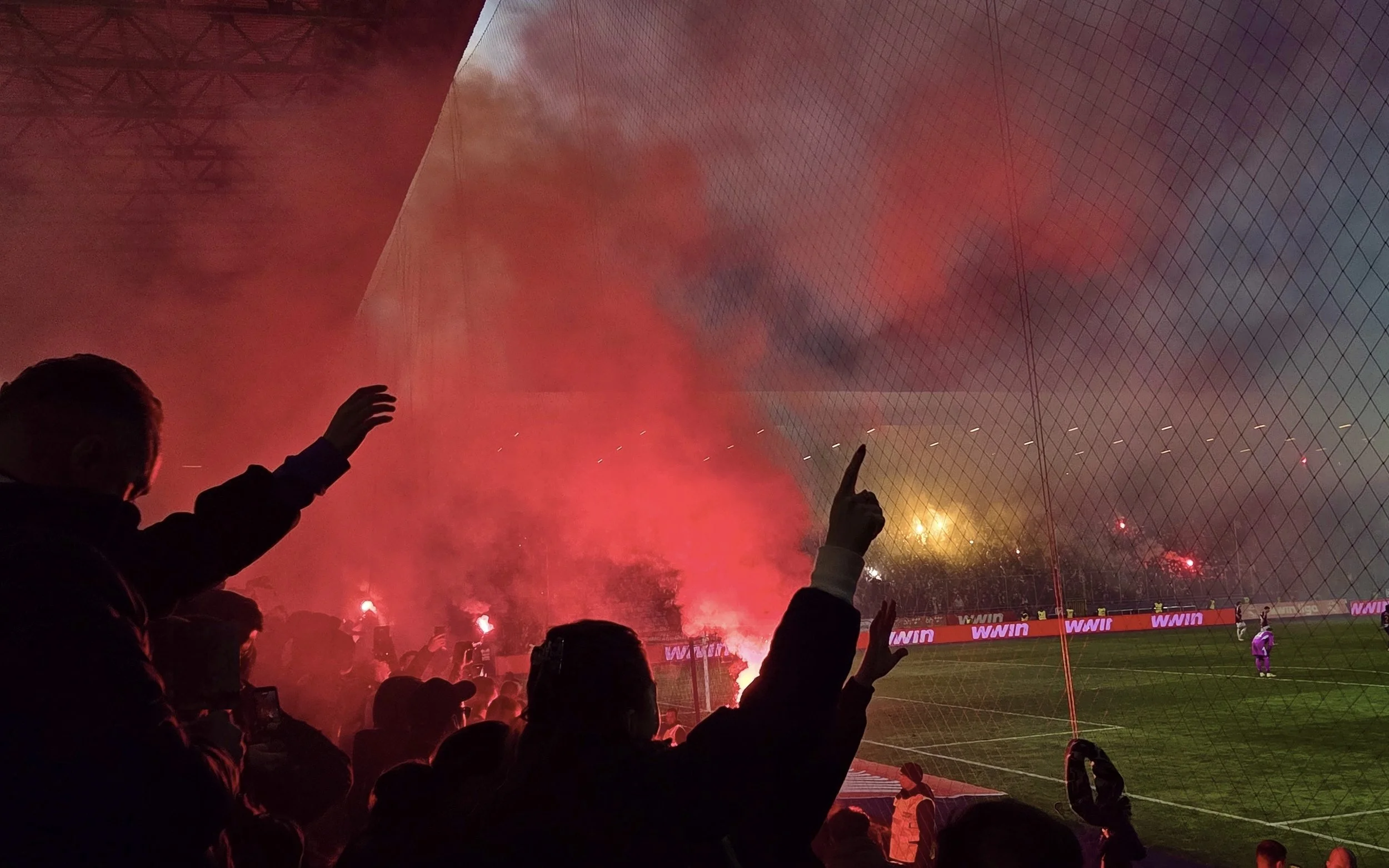
Both sets of supporters made themselves heard, but it was Željezničar that set the tone. The home support was constant, loud and relentless — not moments of noise, but a continuous wall of sound.
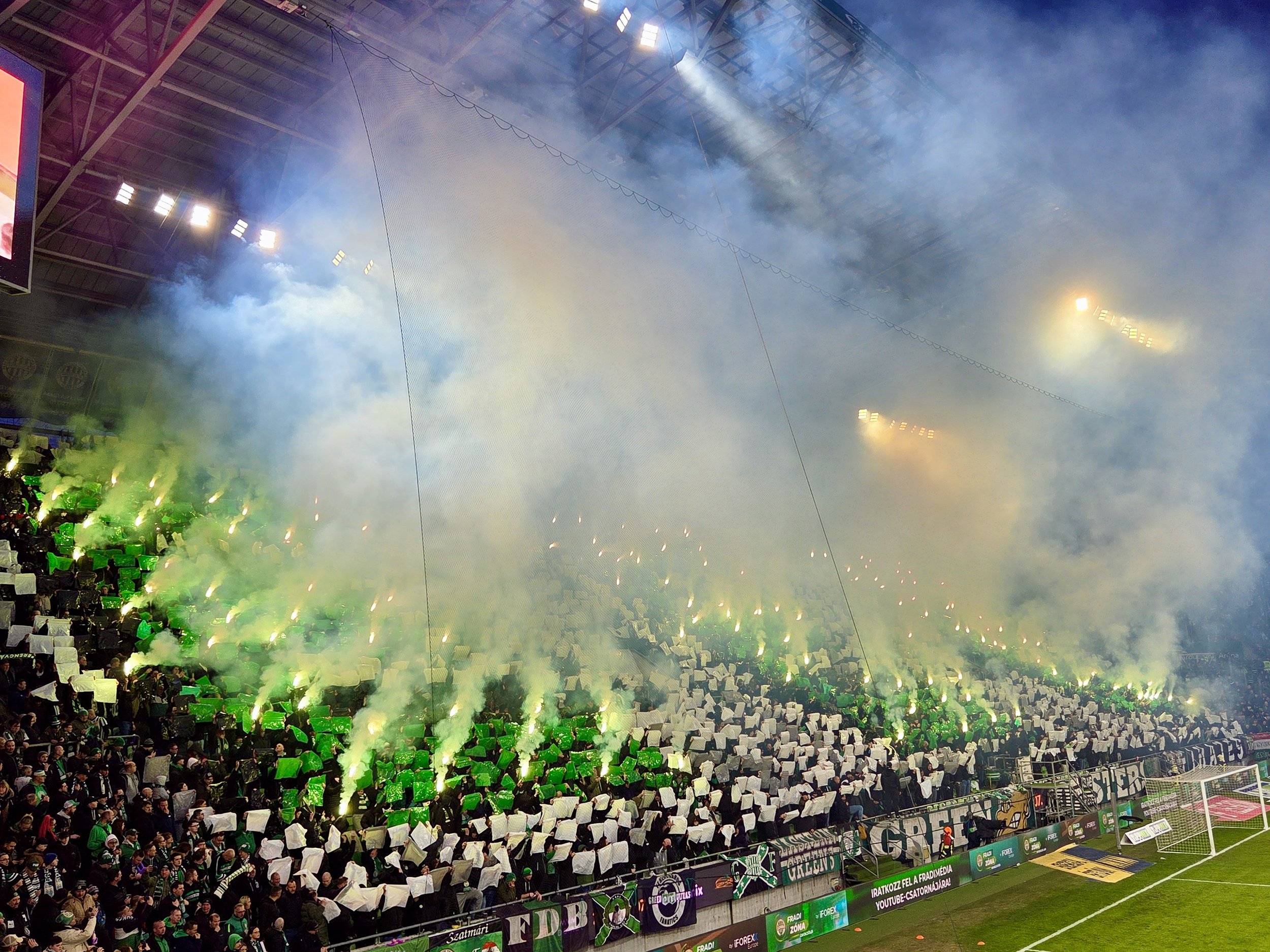
What also stood out was the amount of pyrotechnics in the stands. Flares and smoke filled the stadium, at times even drifting onto the pitch.
Remarkably, this hardly led to interruptions, as play largely continued as if it were simply part of the match-day experience.
Driven by The Maniacs, the atmosphere felt raw and authentic. Moments like these make you realise you are not just watching a match, but experiencing a derby.
©Niek Jansen/ Terrace Edition. FK Željezničar vs FK Sarajevo
On the pitch
The intensity on the pitch matched what was happening in the stands.
Clear chances were limited, but the tension never dropped. One of the key moments came when Željezničar thought they had taken the lead. The stadium erupted, only for the goal to be ruled out after a VAR check.
The reaction was immediate. Frustration, noise and energy all increased, with every action followed by a response from the stands.
The tension remained palpable until the final whistle. In the end, the match finished 0-0. No winner on the scoreboard, but that did little to diminish the experience.
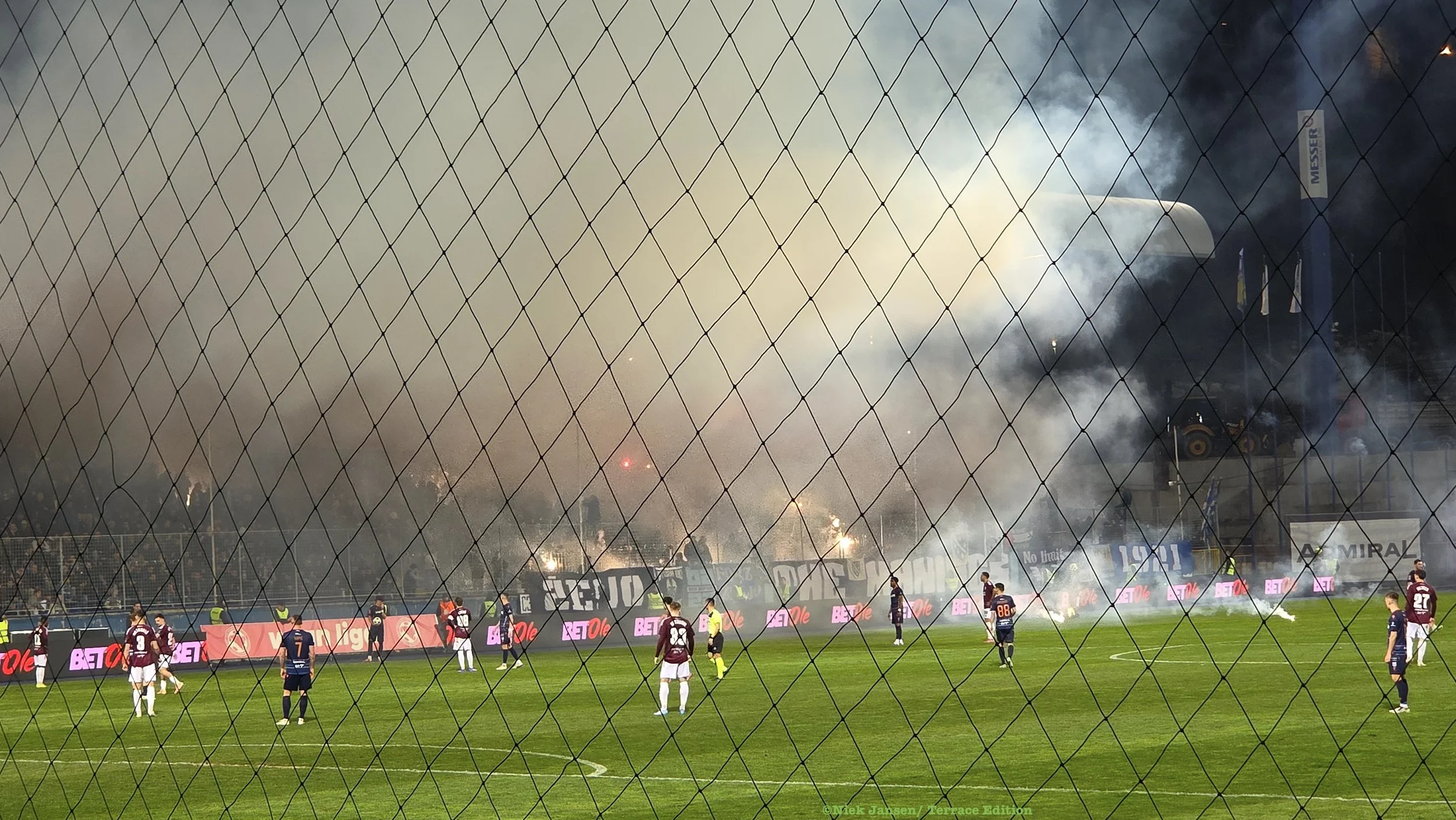
©Niek Jansen/ Terrace Edition. FK Željezničar vs FK Sarajevo
More than a match
What makes the Sarajevo Derby special goes beyond the result. It is the combination of history, neighbourhood identity and rivalry.
The way Željezničar is embedded in Grbavica and how that is reflected in the stands — contrasted by a club like Sarajevo, representing another side of the city.
Even with a reduced capacity, this felt like a complete derby experience. Intense, authentic and deeply rooted in the city.
A match that confirms that football here is not just played, but lived.
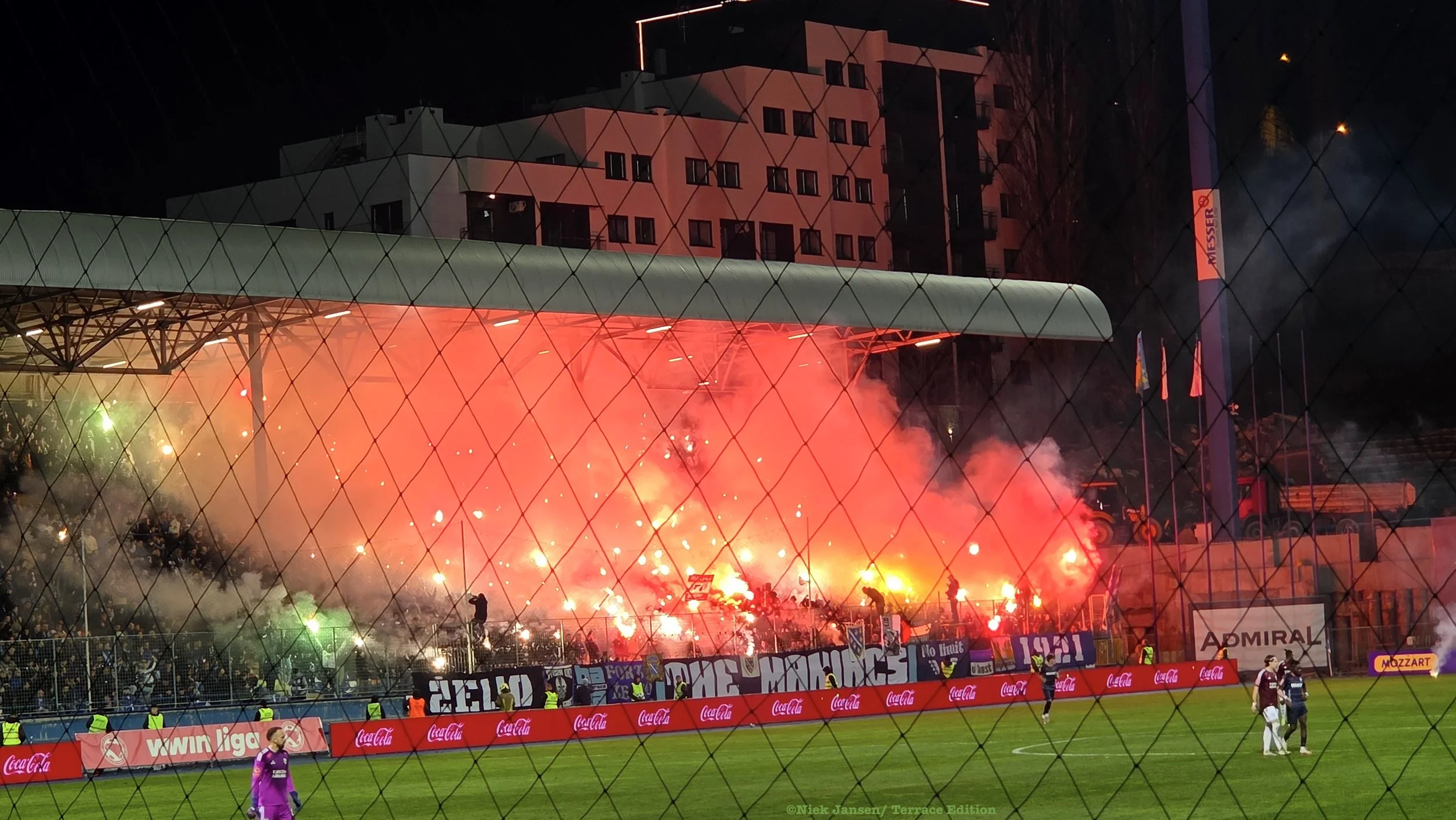
©Niek Jansen/ Terrace Edition. FK Željezničar vs FK Sarajevo.
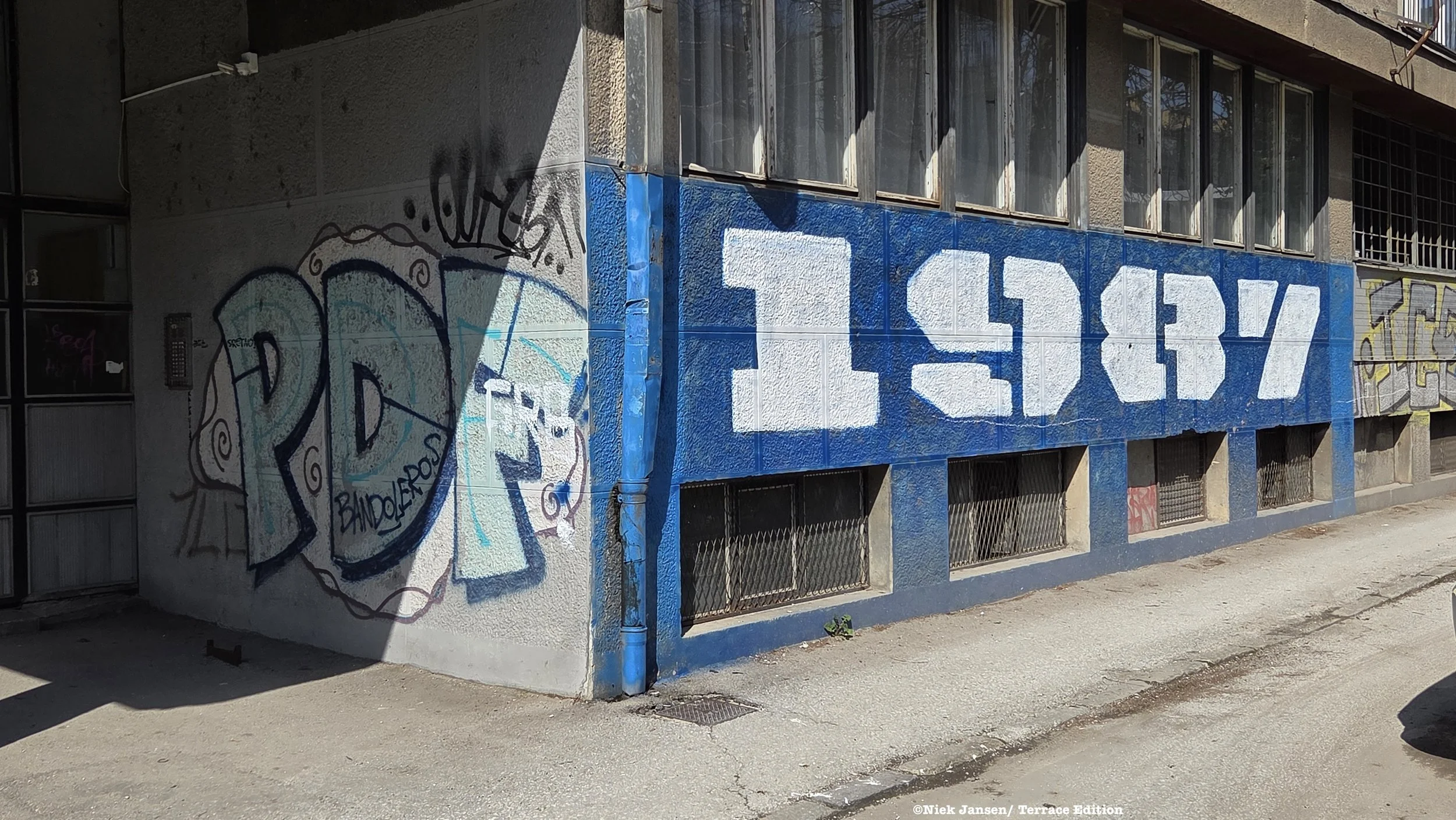
©Niek Jansen/ Terrace Edition. FK Željezničar street art.
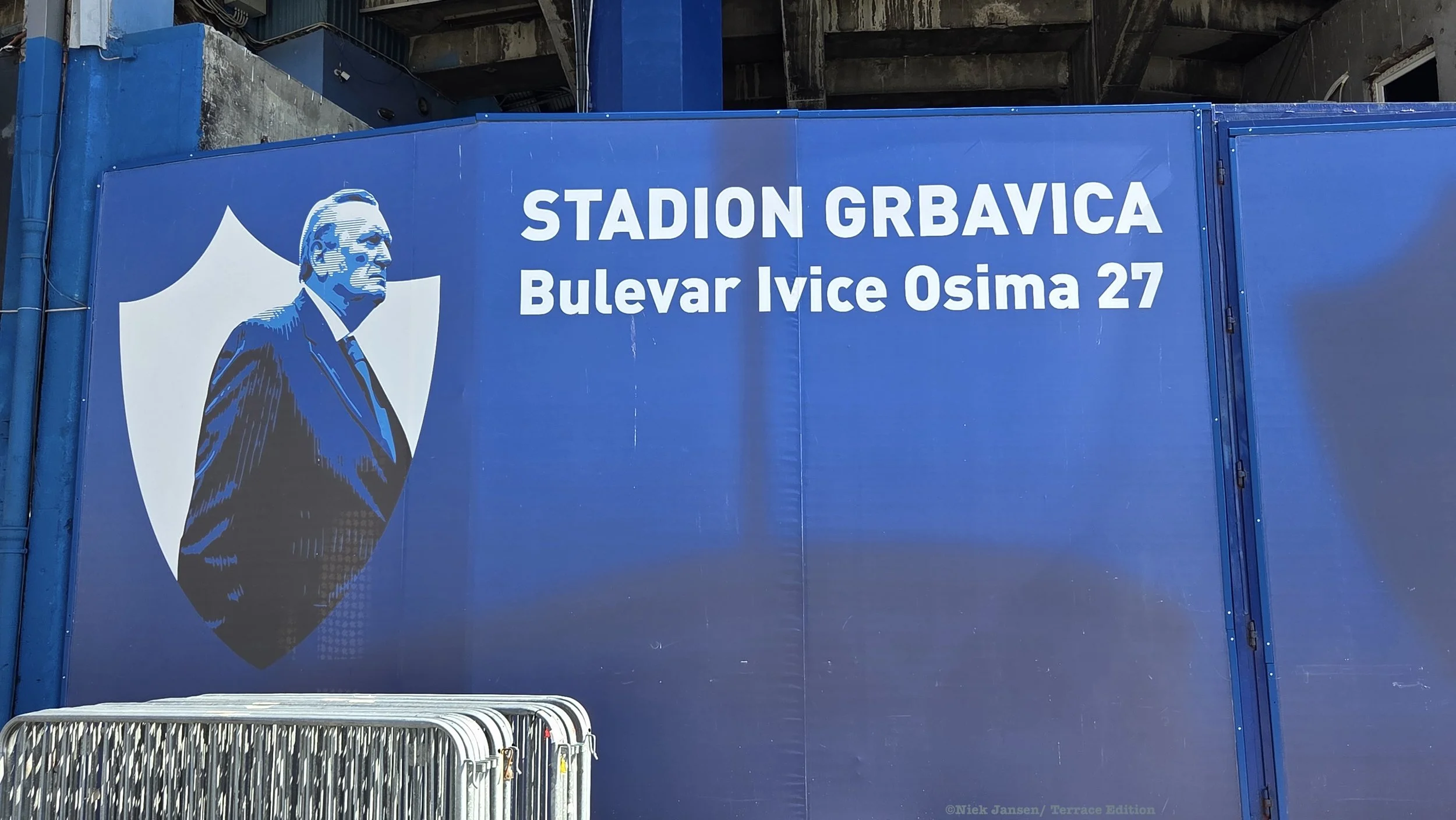
©Niek Jansen/ Terrace Edition. Stadion Grbavica.
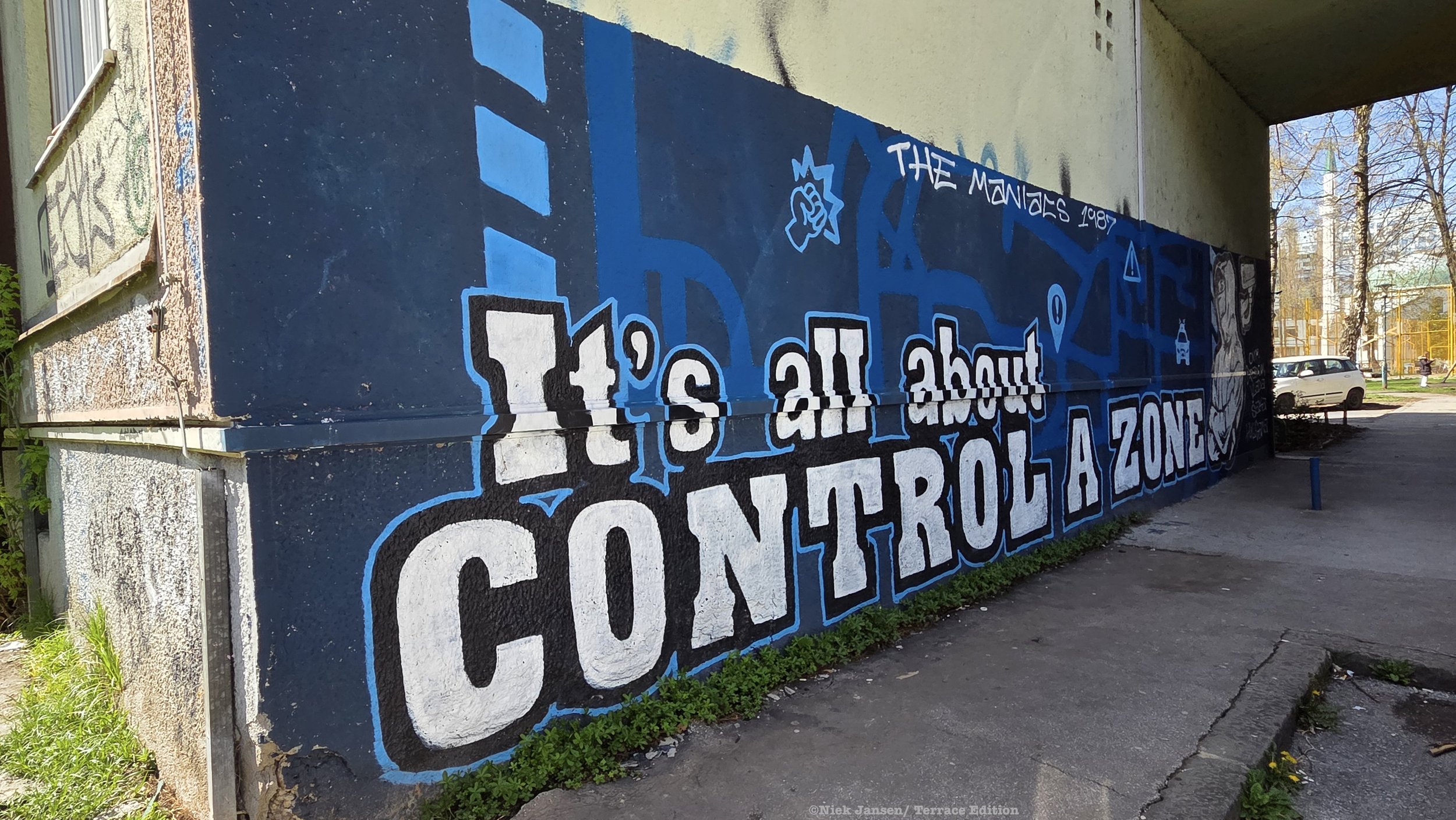
©Niek Jansen/ Terrace Edition. FK Željezničar street art.
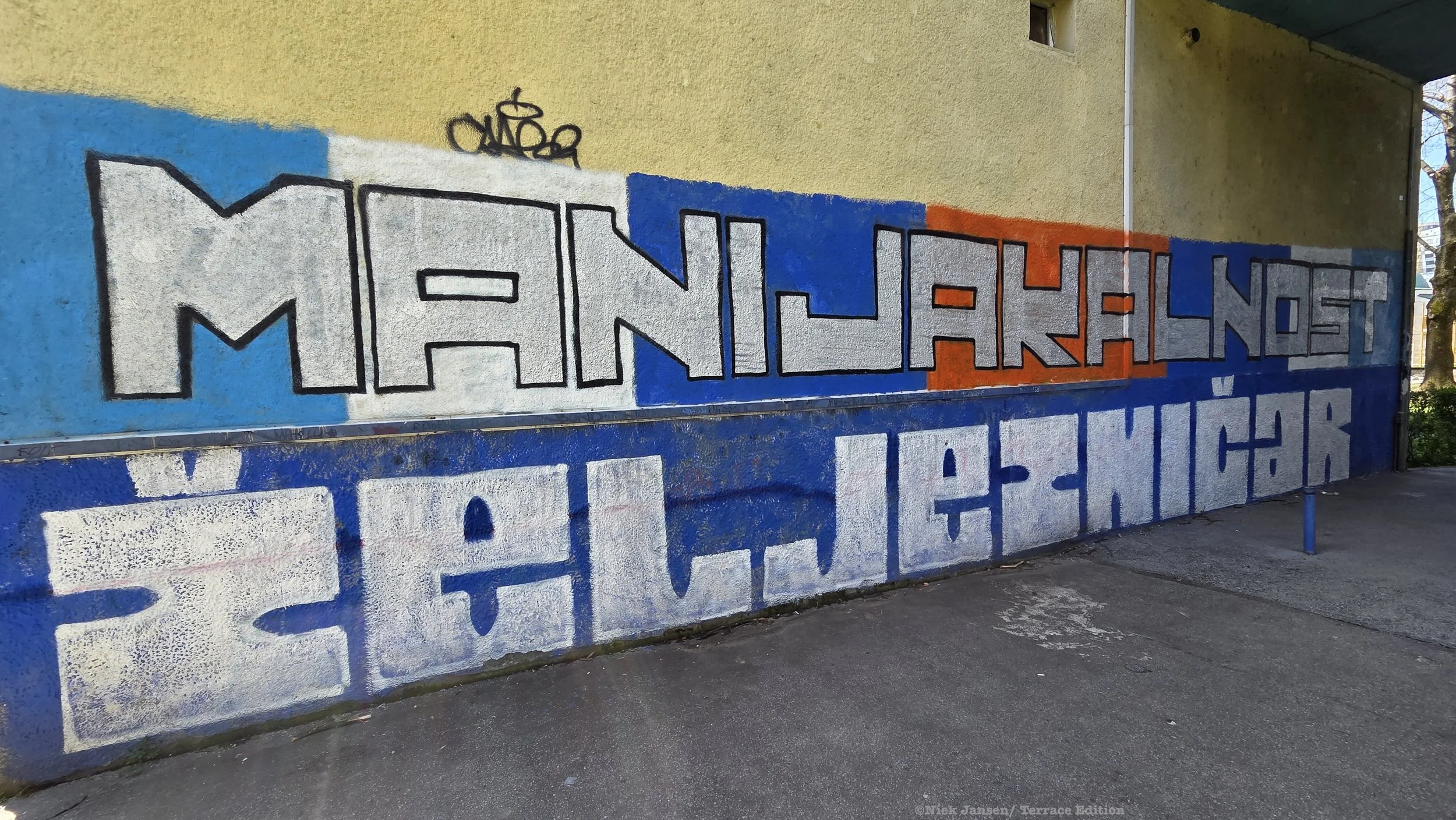
©Niek Jansen/ Terrace Edition. FK Željezničar street art.
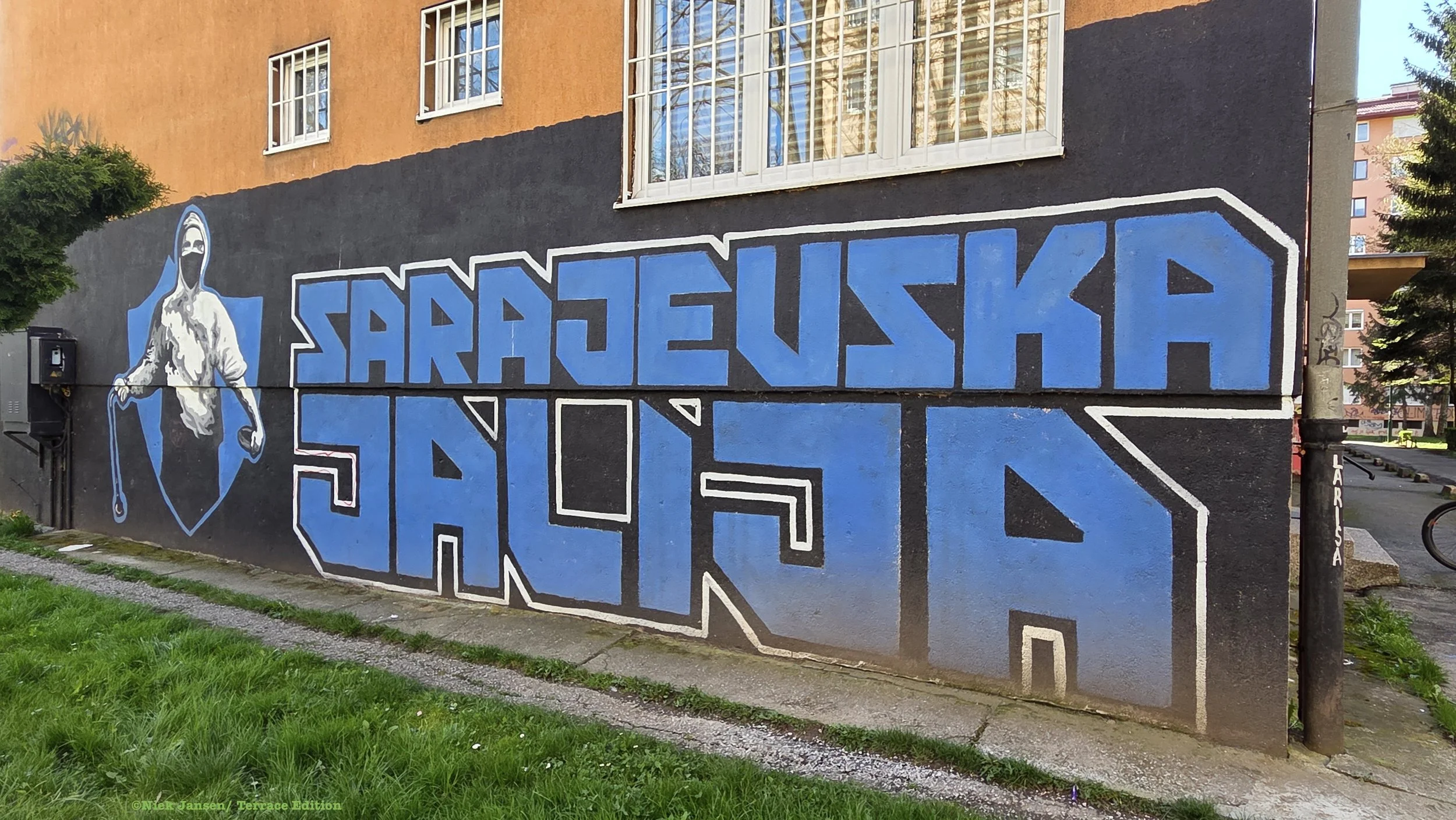
©Niek Jansen/ Terrace Edition. FK Željezničar street art.
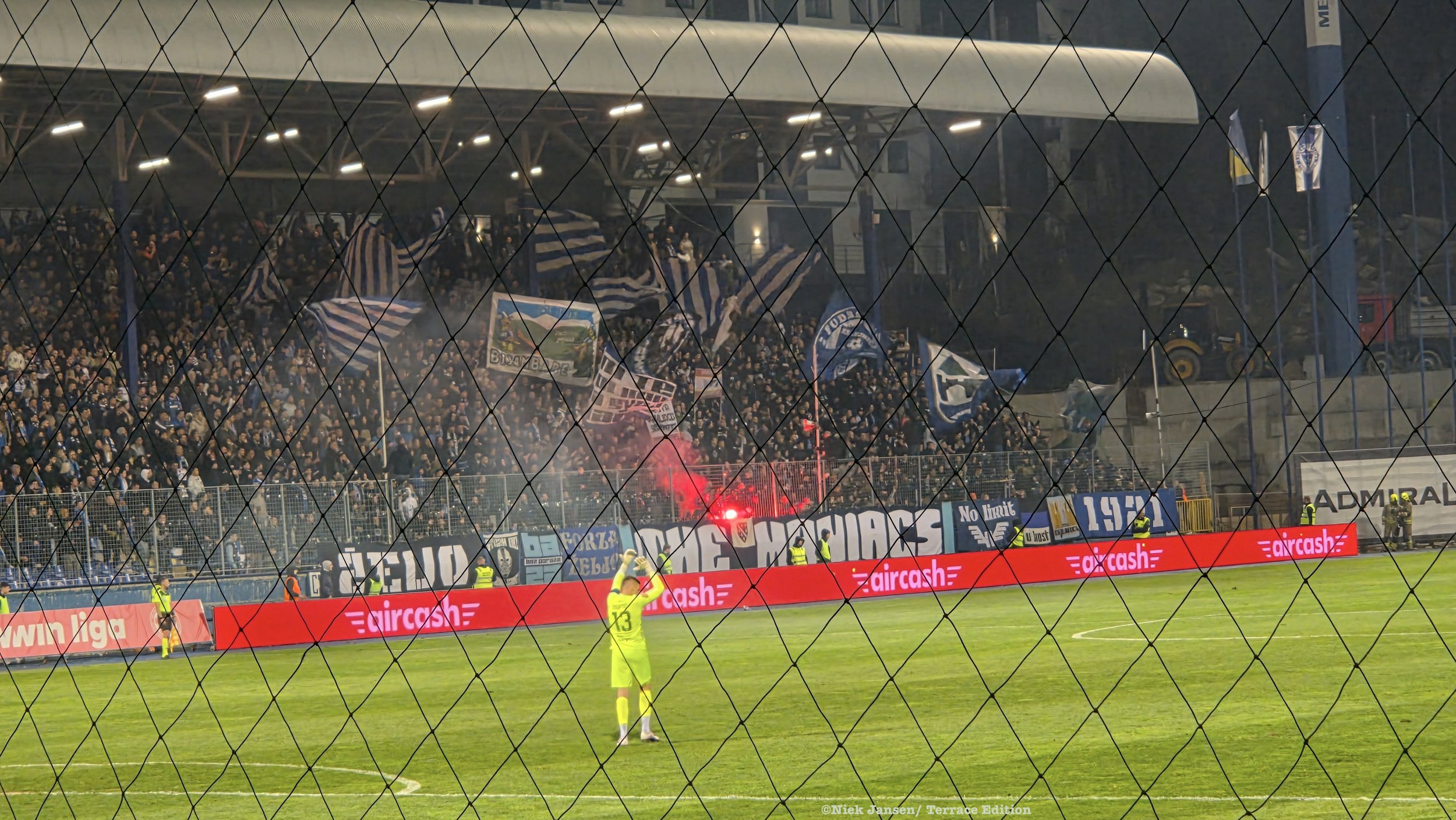
©Niek Jansen/ Terrace Edition. FK Željezničar vs FK Sarajevo.
Niek is on X and Instagram: @niek92jansen