Forsa Pro
Words: Federico Farcomeni
Images: Federico Farcomeni
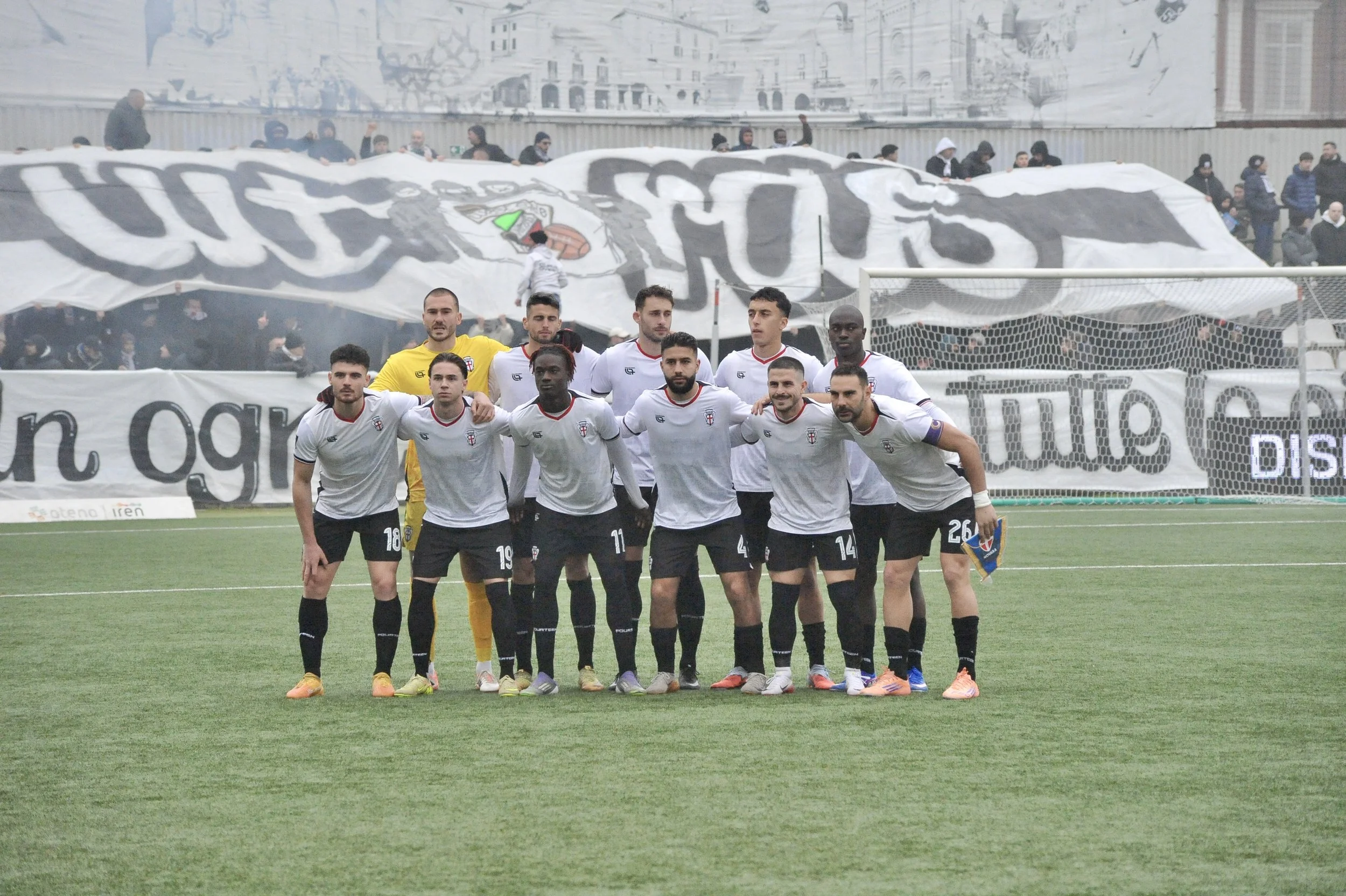
It’s a cold winter afternoon, a bit foggy and grey – typical weather for the “bassa vercellese”, the flat area of the province of Vercelli, characterized by extensive rice paddies, a rural landscape known as the "checkered sea," and the typical Grange system.
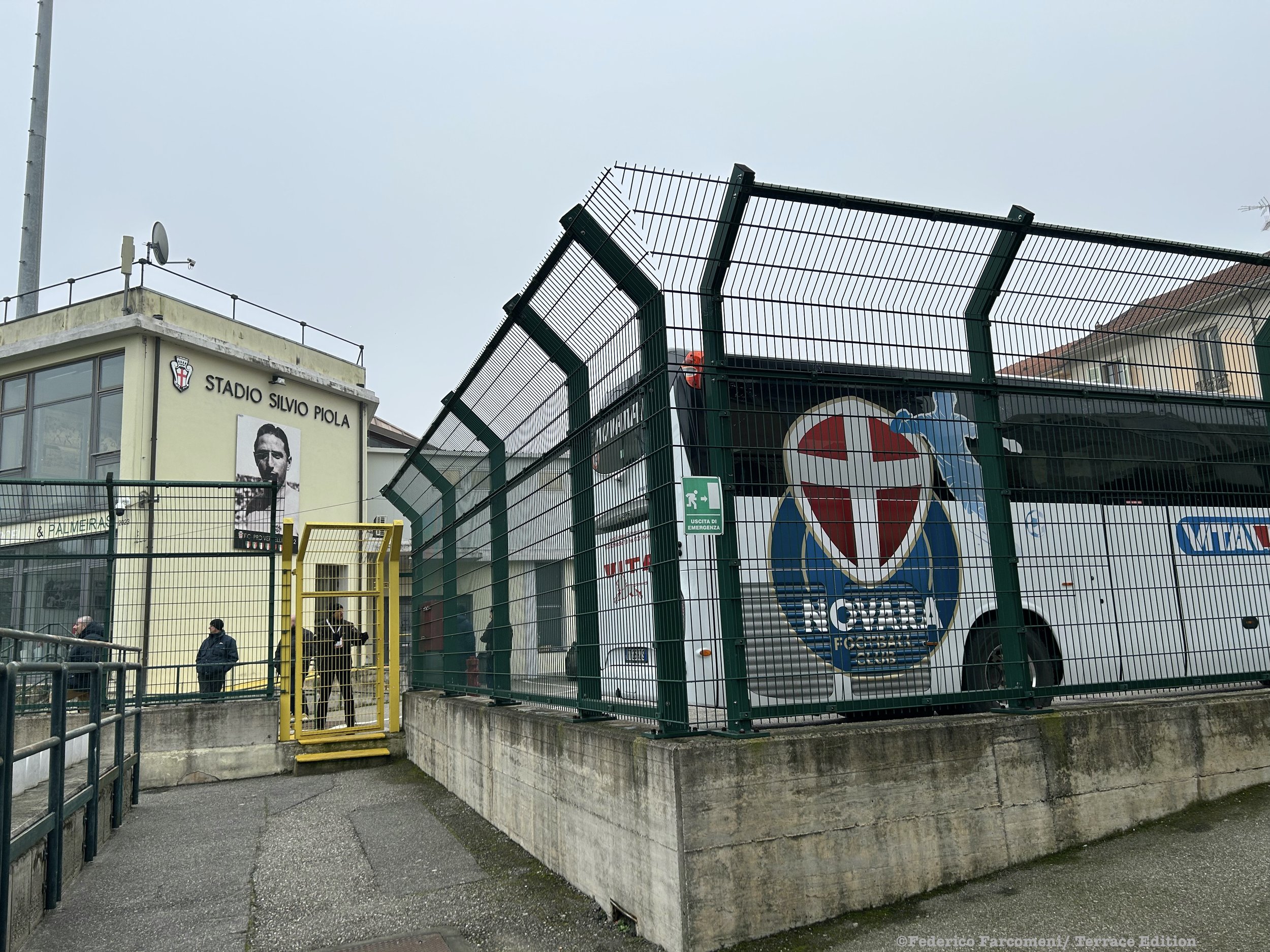
Derby day Between Pro Vercelli and Novara means road closures all around Stadio Silvio Piola named after, the calcio hero who began his career in Vercelli (51 goals in 127 games) and gave his name to their rivals’ stadium too.
In fact, most Azzurri fans prefer to call the ground “Leonida Robbiano,” pioneer and aviator of the Italian Air Force.
Nowadays, the capacity is 5,500 but the main stand (south) is what immediately catches the eye from outside and inside with its 1930s dusty grandeur which really goes hand in hand with the liberty style buildings behind the visiting supporters’ section where 532 Novara supporters have been escorted.
There's been trouble as they got off the train at the station earlier on - flares, fireworks, firecrackers and broken glass litter the platform floor.
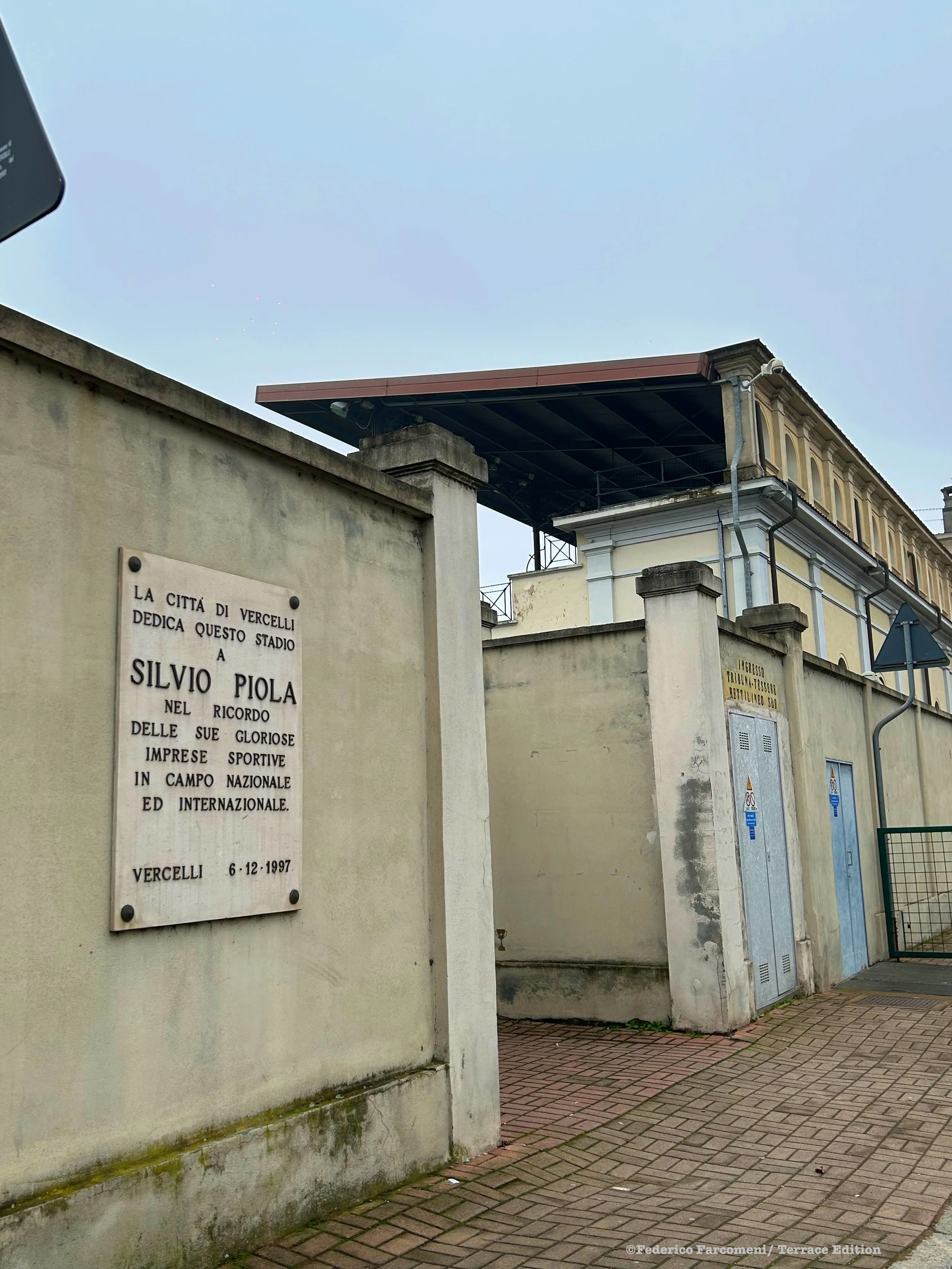
©Federico Farcomeni/ Terrace Edition. Stadio Silvio Piola. Vercelli.
Inside the stadium, there’s a banner permanently hung on the fifth floor of the building above the away end, and it obviously bears a Scudetto with the number 7 on it.
Only the three big teams and Genoa have managed to win more league titles than Pro Vercelli. If you look down again, the reference to the seven league titles is evident everywhere you look – on scarves, hats, flags and banners.
The ultras sing “salutate i sette scudetti” (hail to the seven league titles). And those seven scudetti have been secured on top of the main stand: 1908, 1909, 1911, 1912, 1913, 1921 and 1922 – that’s seven in 14 years.
Pro Vercelli have never had its own crest in the truest sense of the word: the club has never "created" its own symbol and has simply "borrowed" the coat of arms of the city of Vercelli.
This crest appears on the uniforms "framed by a black and white decorative motif of Art Nouveau inspiration but without epigraphs or particular embellishments."
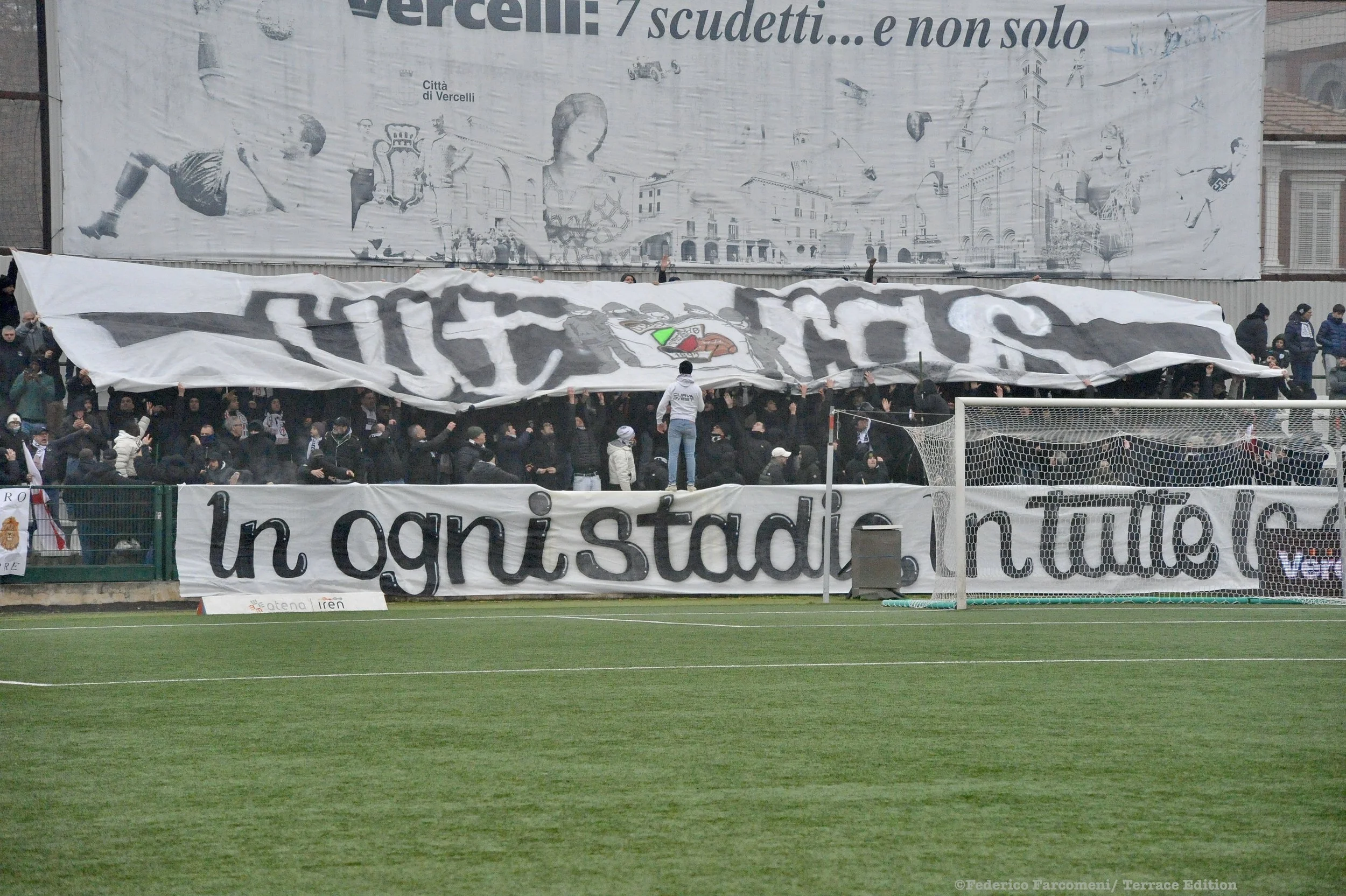
©Federico Farcomeni/ Terrace Edition. Curva Ovest. Pro Vercelli.
Since July 28, 2004, Pro Vercelli's historic logo has been the property of the Vercelli municipal administration, which grants it to the club each year in exchange for a symbolic annual fee of €100.
Lions and St George crosses are seen on the terraces too – in fact, the club mascot is a lion called Eusebio after the patron saint of the city.
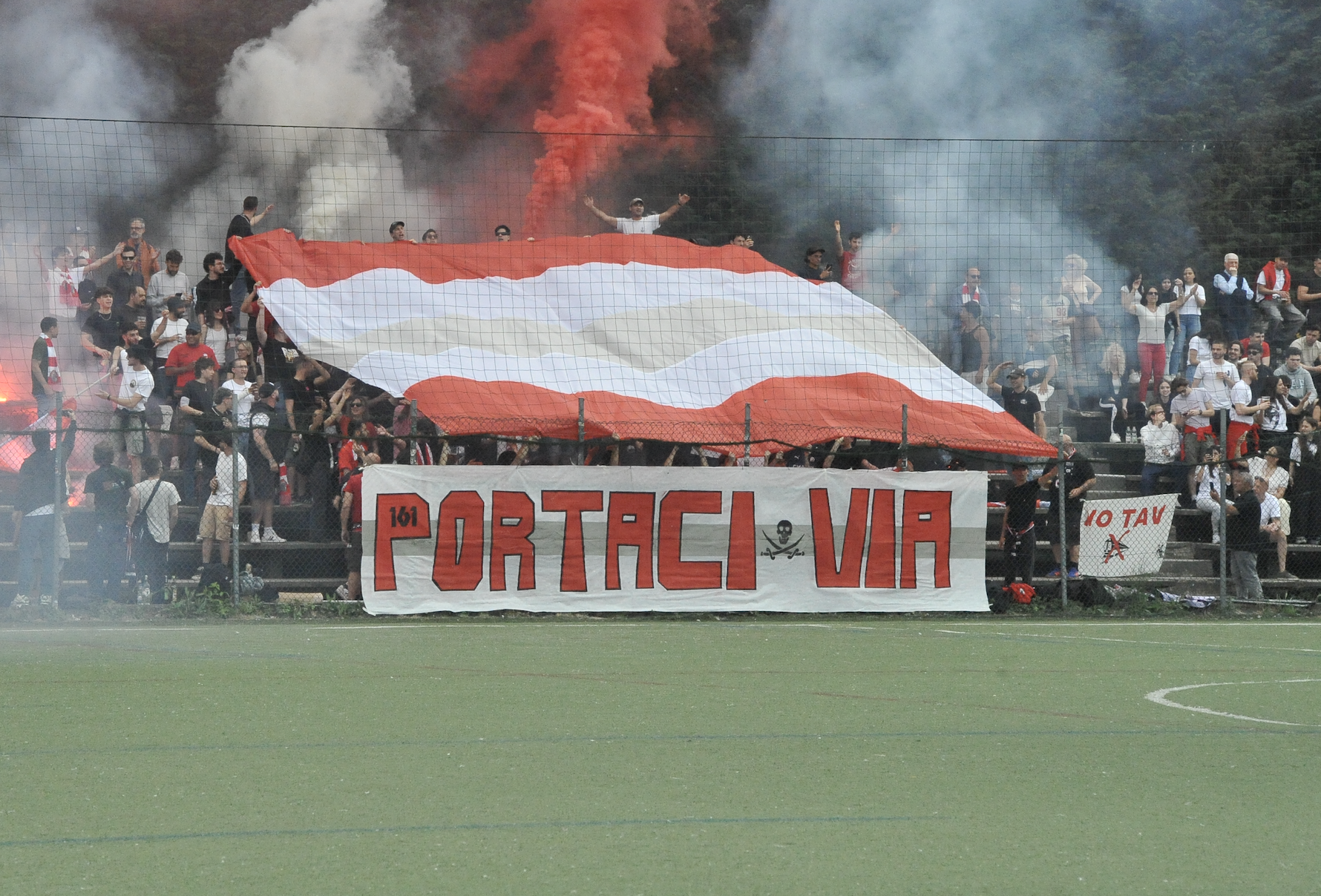
I notice that one flag has a cross on the “Z” and there’s an “S” in red, but that’s no mistake – it’s the Piedmont dialect for “Forsa Pro” (rather than the Italian “Forza”), the shout which later during the game becomes “Akpa Akpro” as Jean-Guy nets the winner, sending the dressing room into a frenzy as loud music coming out of the windows echoes all around the streets.
That’s the club house where club’s offices and dressing rooms are hosted in the same small building at the corner of the astroturf.
It says “Pro Vercelli & Palmeiras,” a tribute to the origins of the Brazilian club, founded in 1914 as Palestra Italia, just after Pro Vercelli and Torino had left South America after their tour.
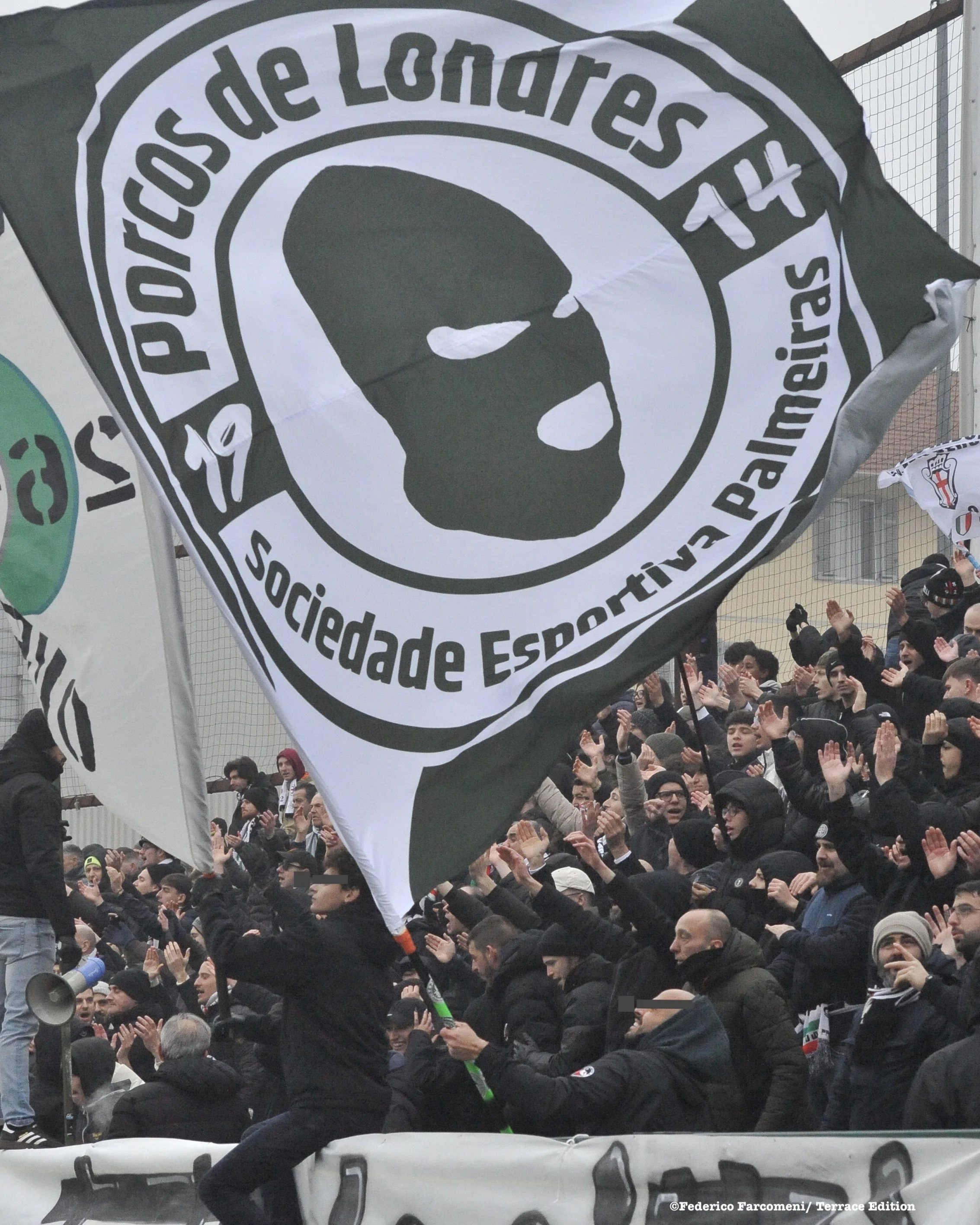
©Federico Farcomeni/ Terrace Edition. Palmeiras flag. Pro Vercelli.
The bond has grown ever since, with Pro even wearing white and green kits and the London branch of the “Porcos” standing side by side with their Vercelli brothers in the West stand.
Today's guests have just tried again to have a go at their counterparts - this behaviour will cost them an away match-ban until the rest of the season (whilst their Pro Vercelli counterparts will only miss three games).
You really breathe history as you leave the stadium and walk through the city centre towards Piazza Cavour where imposing giant snails made from recycled plastic have been installed to raise awareness of sustainability.
After beating Novara, the “Bicciolani” (as the Vercelli inhabitants are also known) spend the rest of their Sunday afternoon in tea rooms as they eat Bicciolani, the typical local biscuits made of flour, potato starch, butter, sugar, eggs and spices.
The name has caught up for more than three centuries and actually indicates the local Carnival mask, the Bicciolano – a character wearing a cocked hat always ready to fight for the people and beat the powerful.
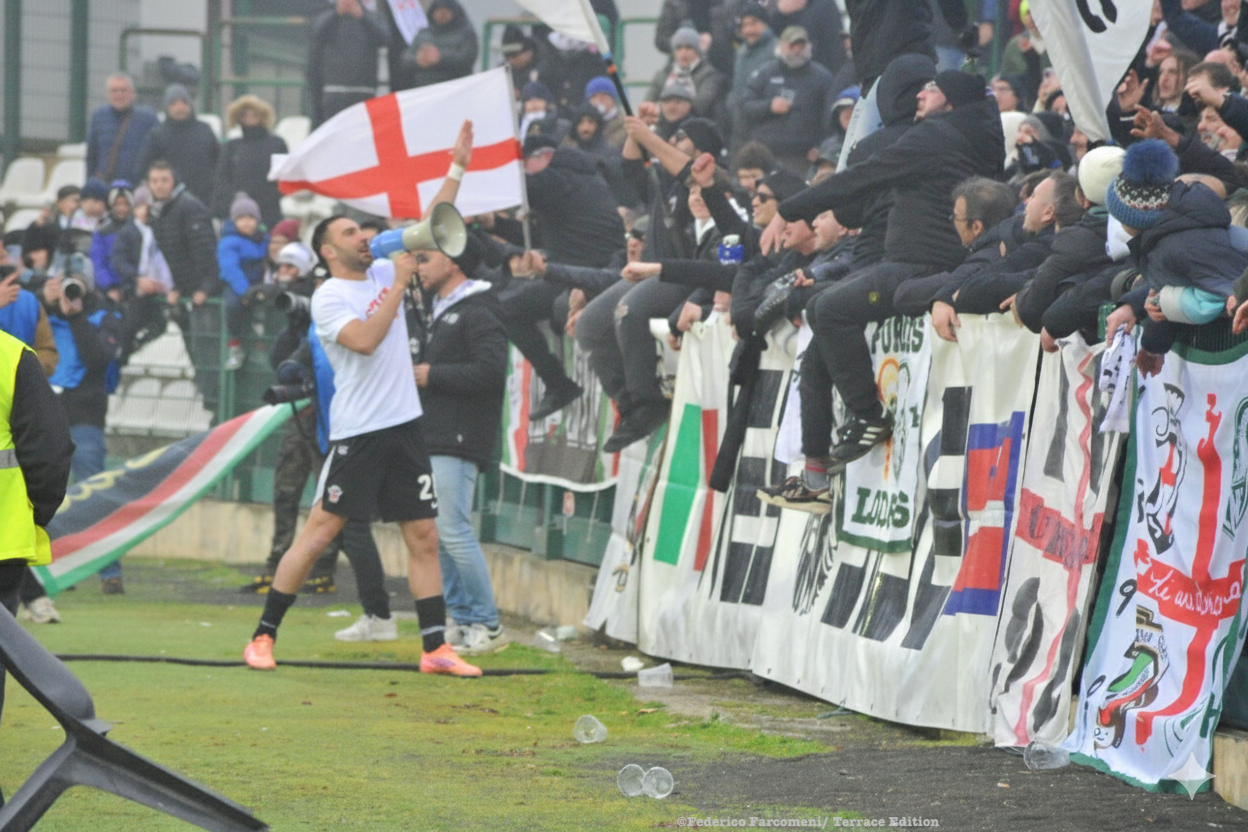
©Federico Farcomeni/ Terrace Edition. Pro Vercelli player celebrates with tifosi.
©Federico Farcomeni. FC Pro Vercelli 1892 vs Novara Football Club.
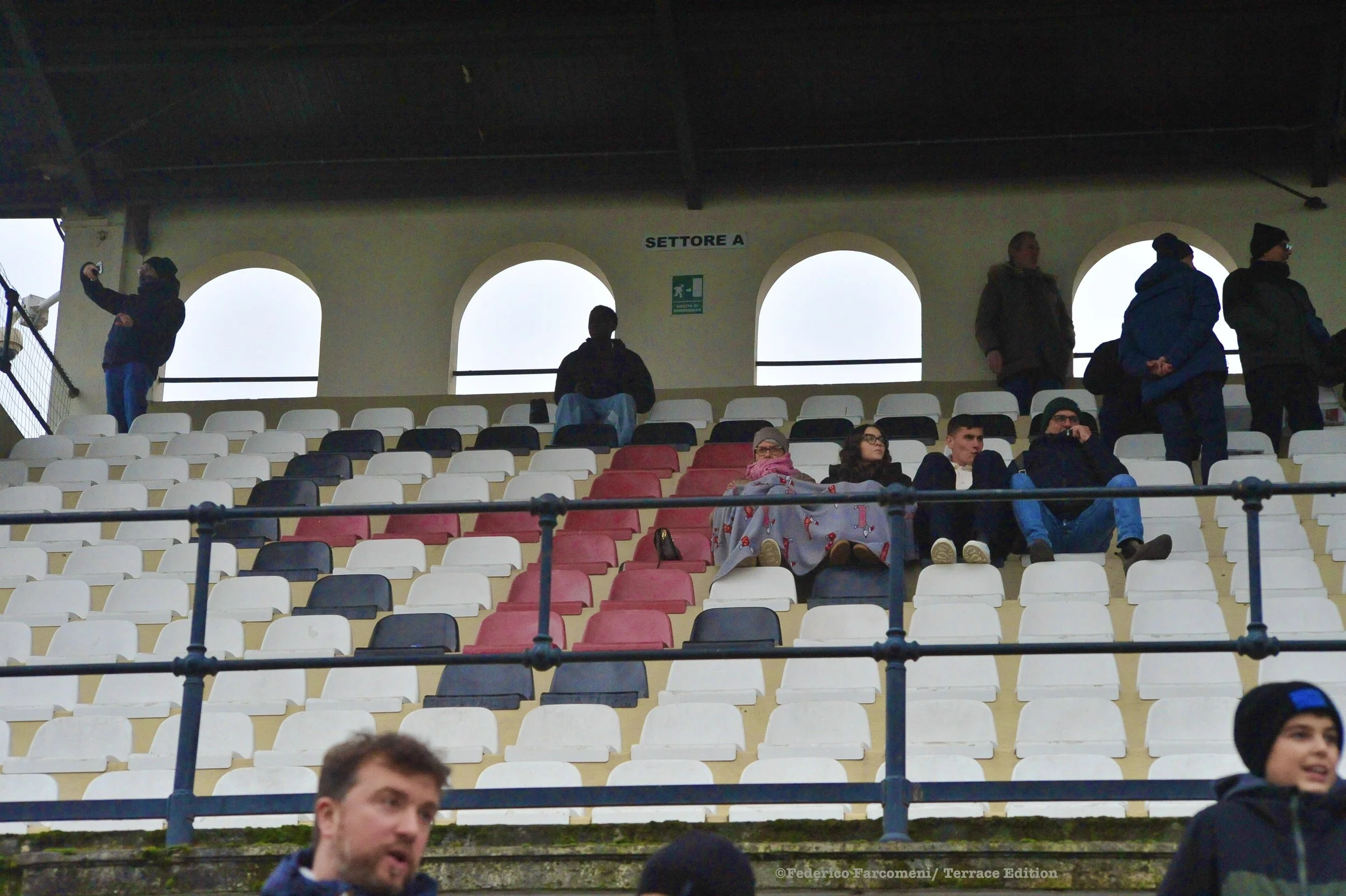
©Federico Farcomeni. FC Pro Vercelli 1892 vs Novara Football Club.
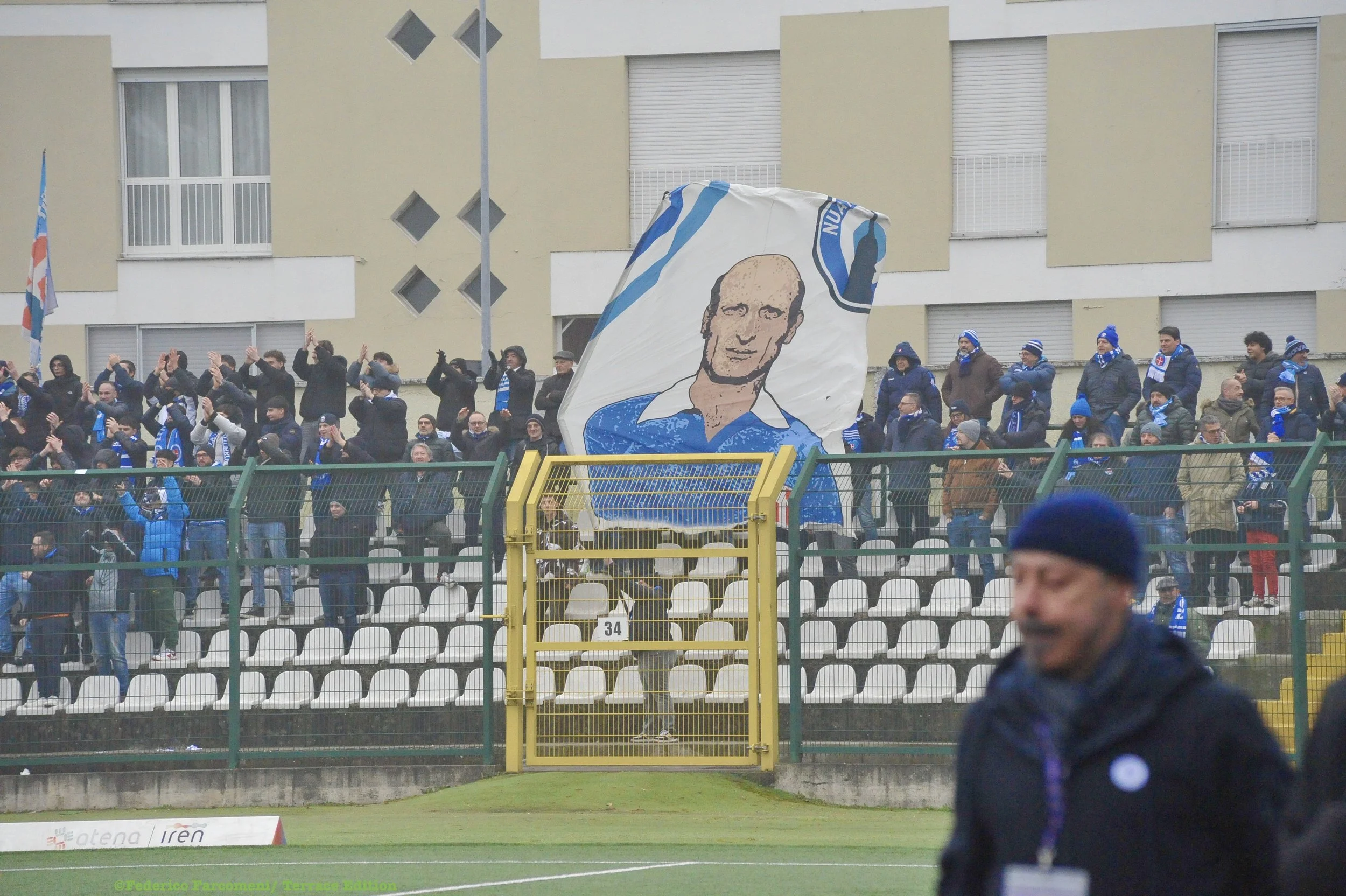
©Federico Farcomeni. Giovanni Udovivich banner. Novara fans.
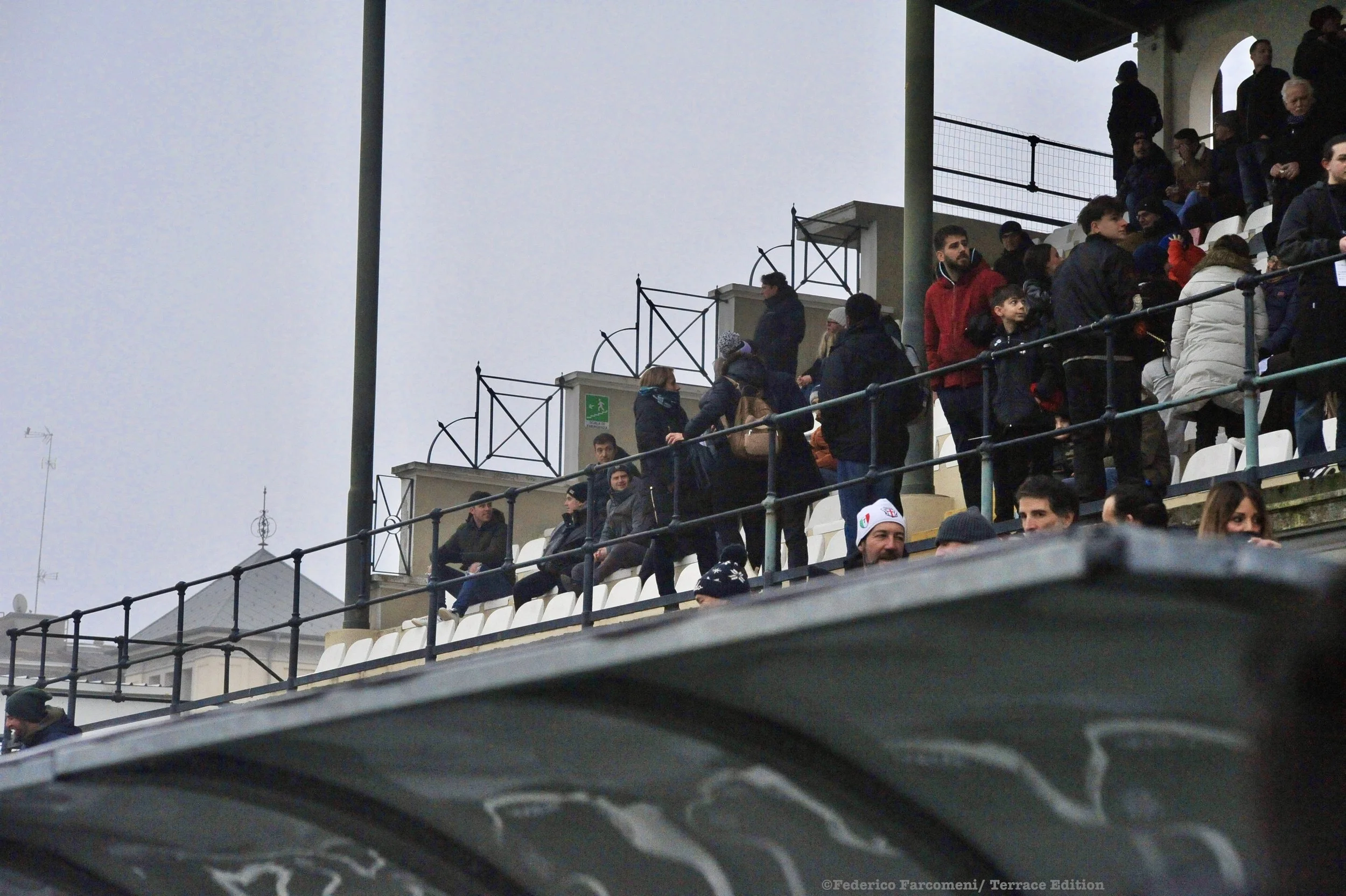
©Federico Farcomeni. FC Pro Vercelli 1892 vs Novara Football Club.
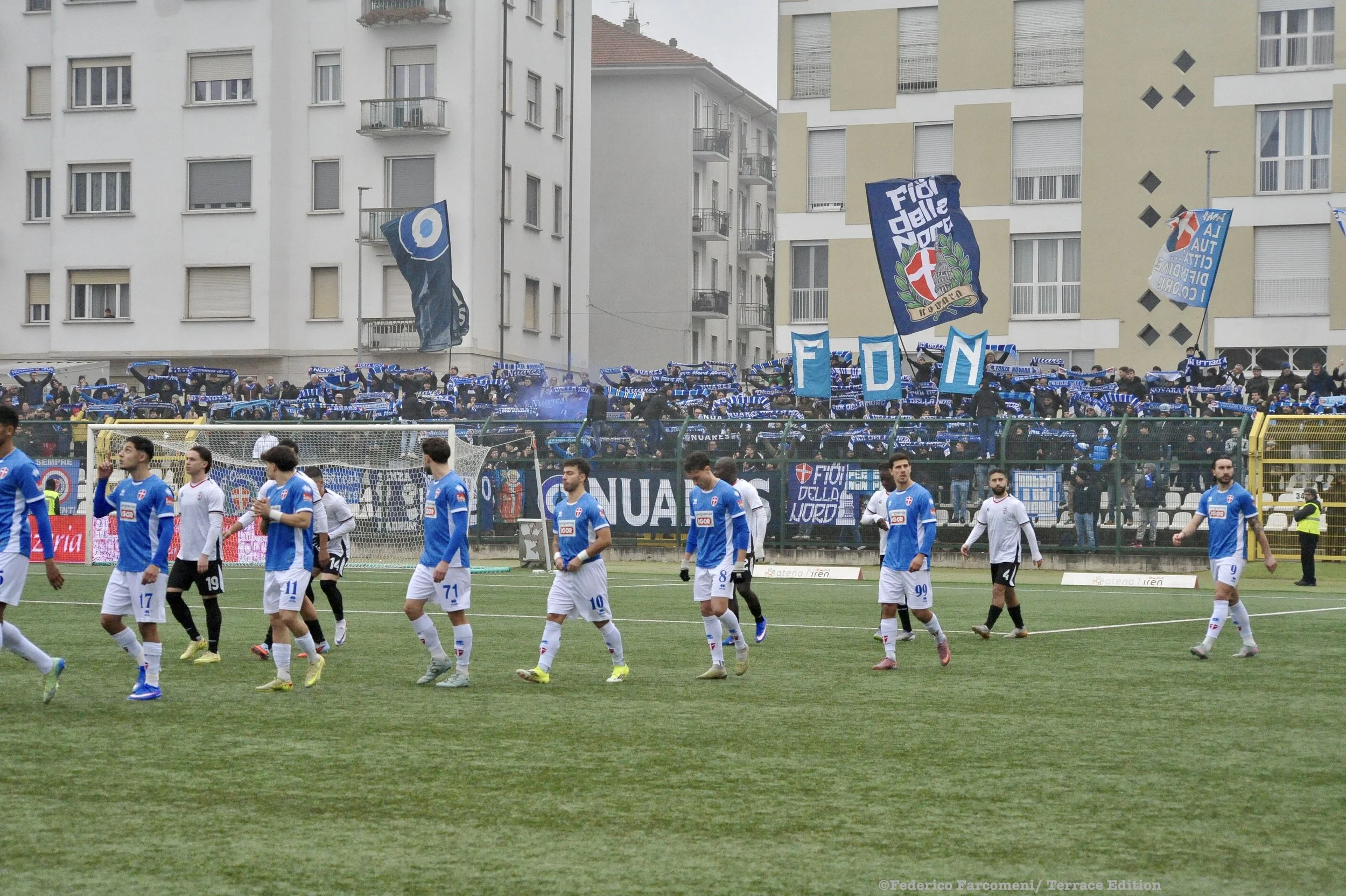
©Federico Farcomeni. FC Pro Vercelli 1892 vs Novara Football Club.
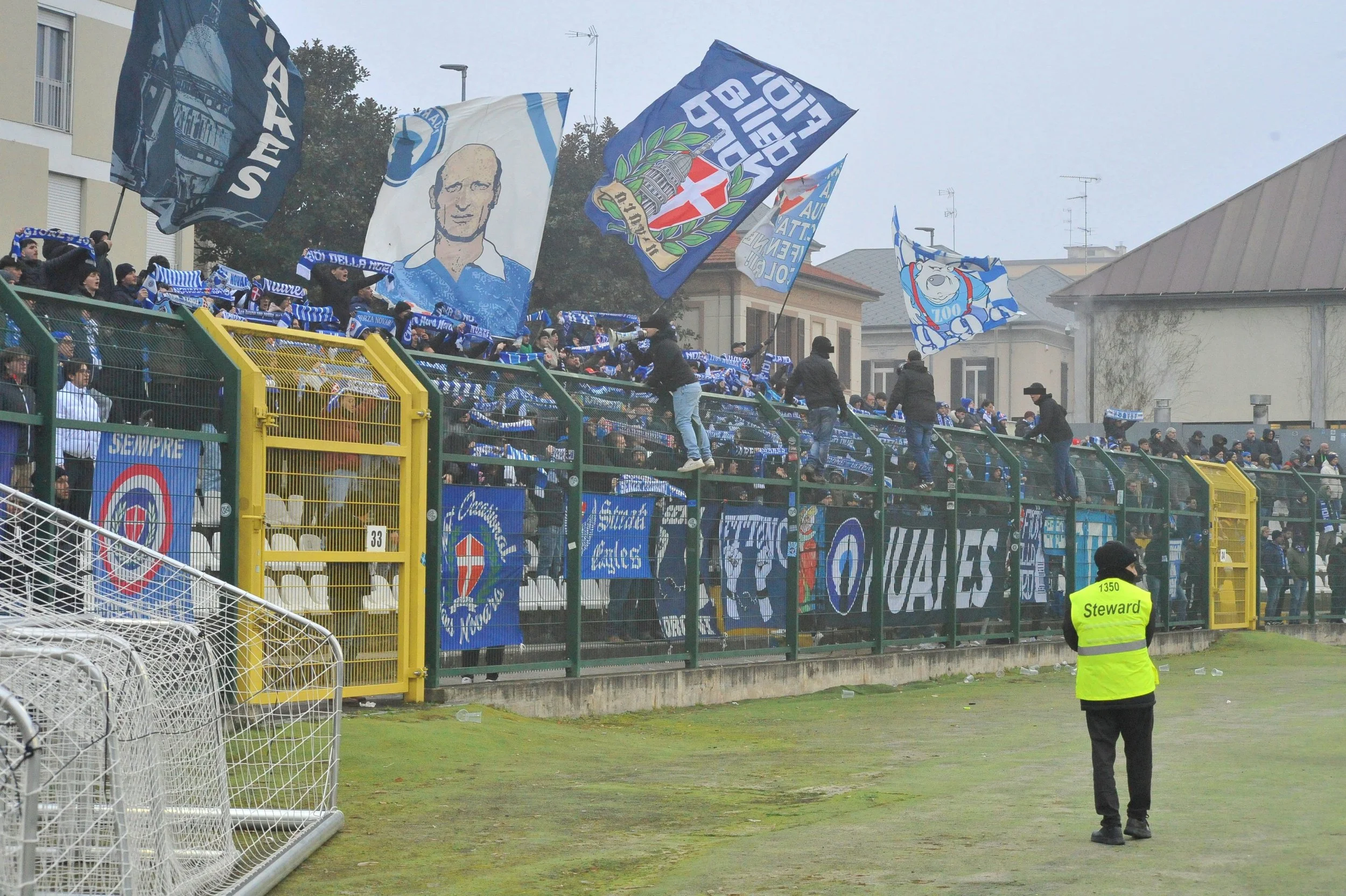
©Federico Farcomeni. Novara fans at Pro Vercelli.
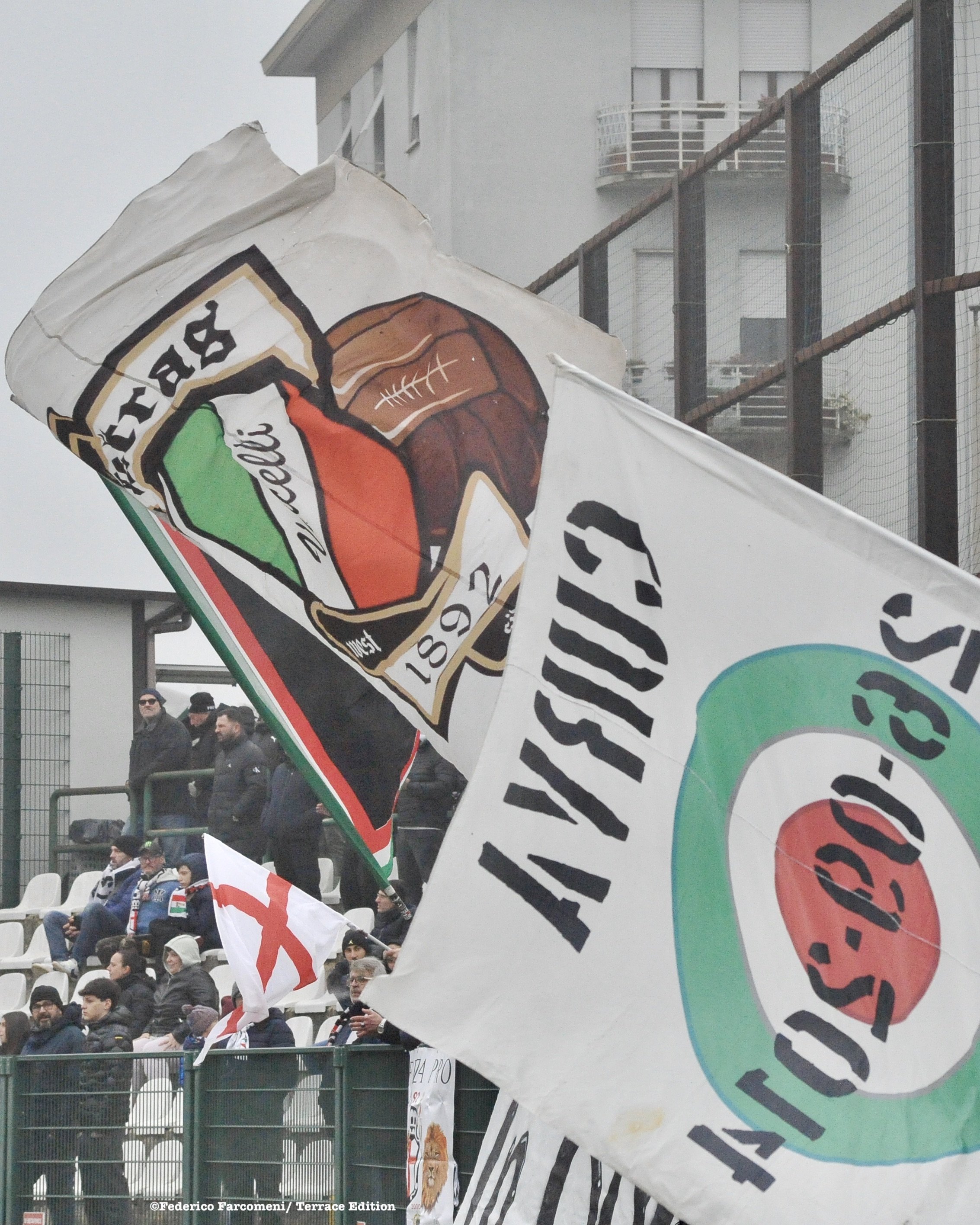
©Federico Farcomeni/ Terrace Edition. Pro Vercelli flags.
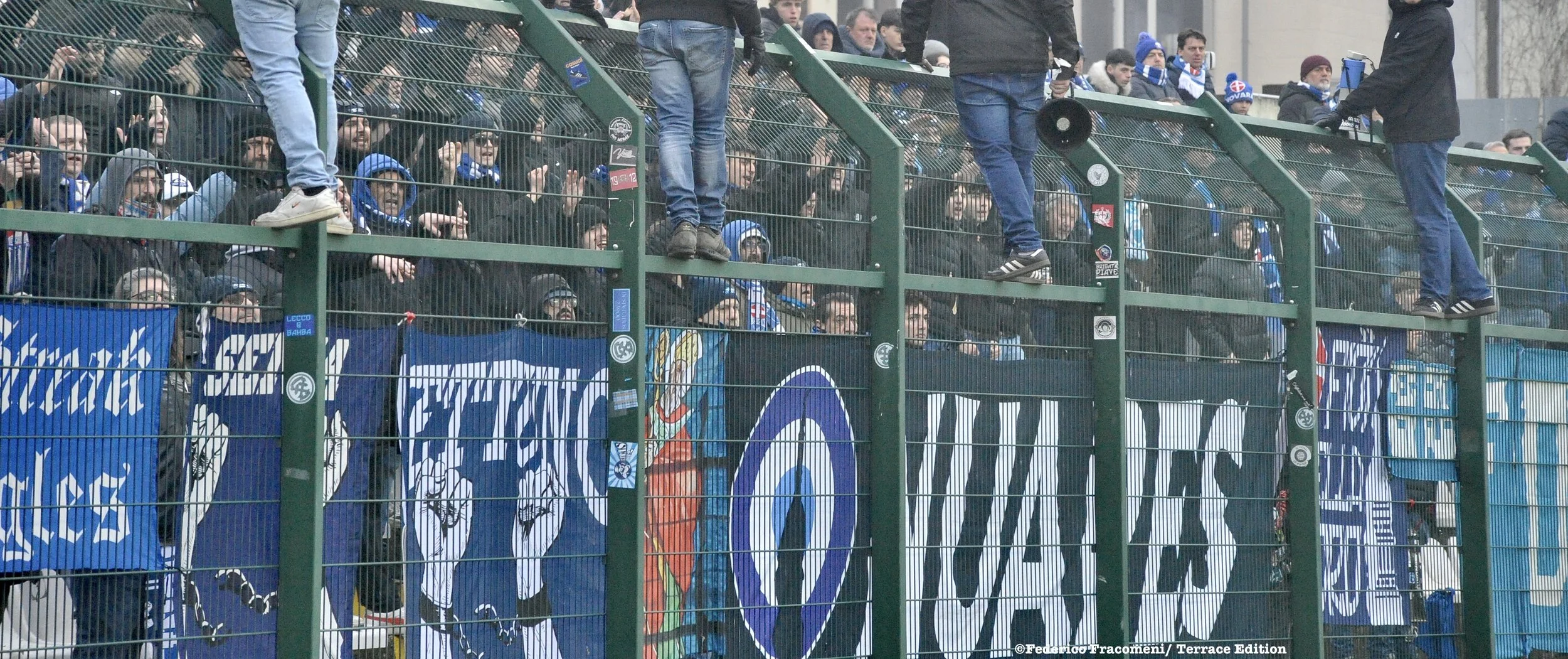
©Federico Farcomeni. Novara fans at Pro Vercelli.
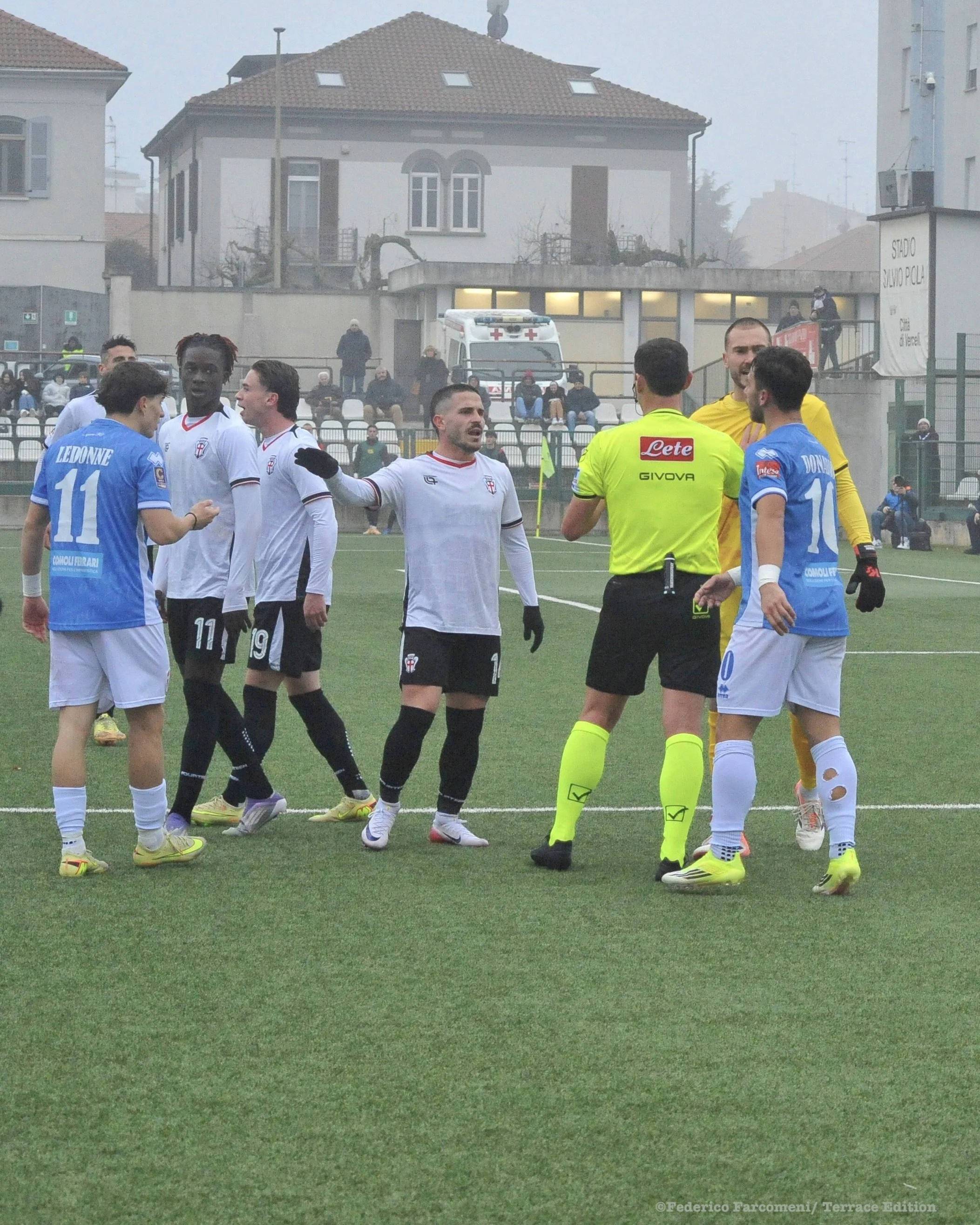
©Federico Farcomeni. FC Pro Vercelli 1892 vs Novara Football Club.
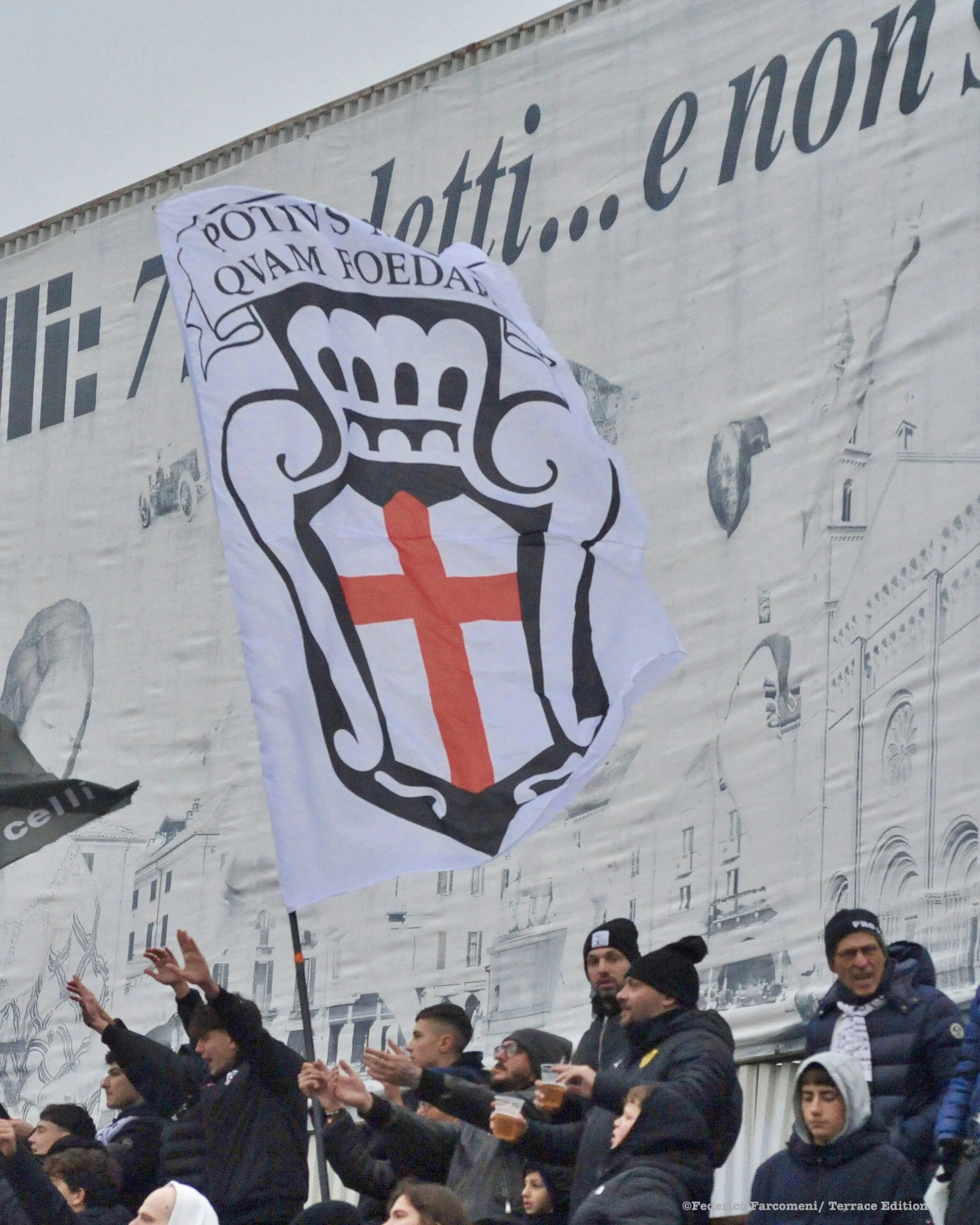
©Federico Farcomeni/ Terrace Edition. Pro Vercelli flag.
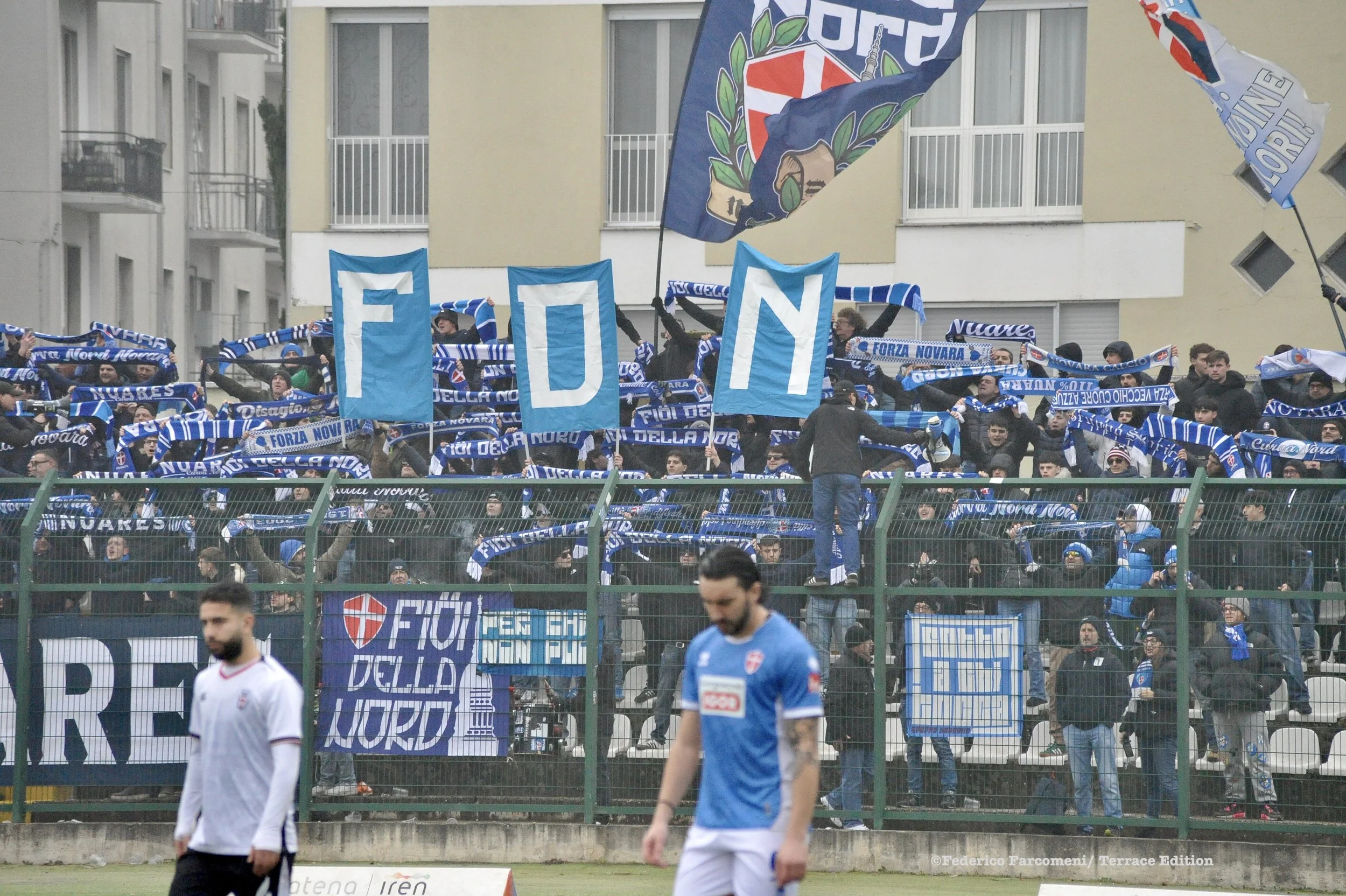
©Federico Farcomeni/ Terrace Edition. Novara FC at Pro-Vercelli.
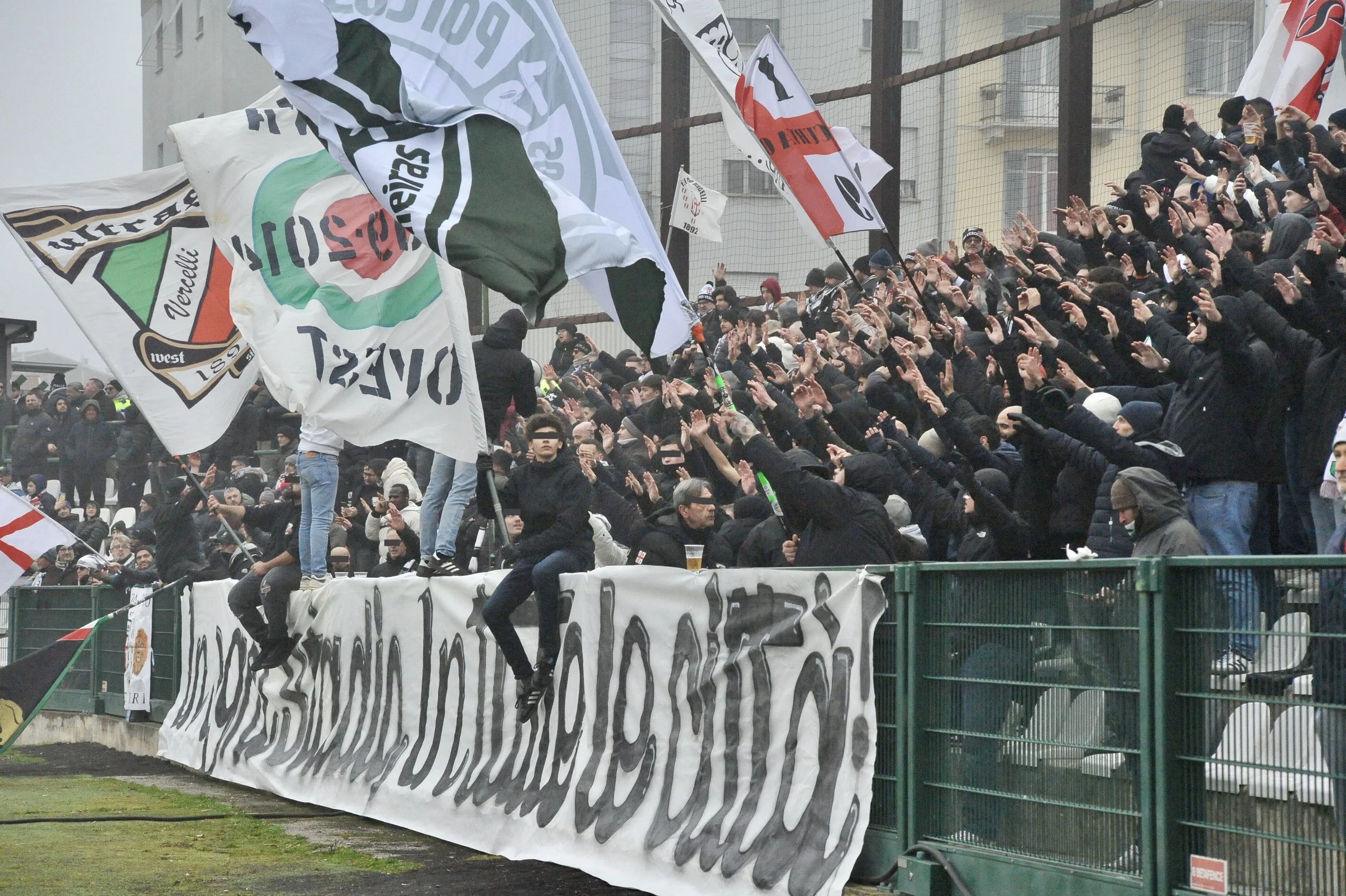
©Federico Farcomeni/ Terrace Edition. Curva Ovest. Pro Vercelli.
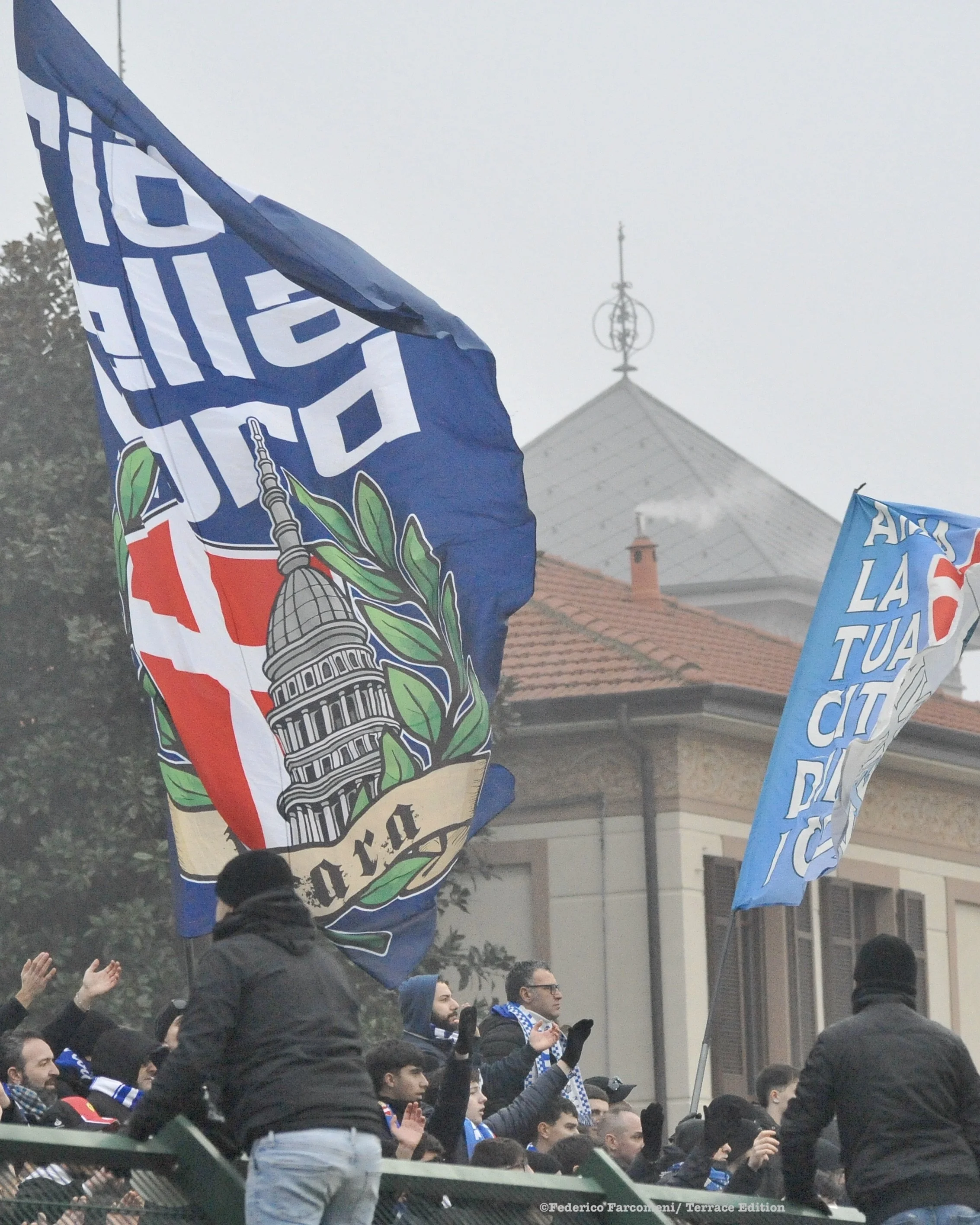
©Federico Farcomeni/ Terrace Edition. Novara FC flag.
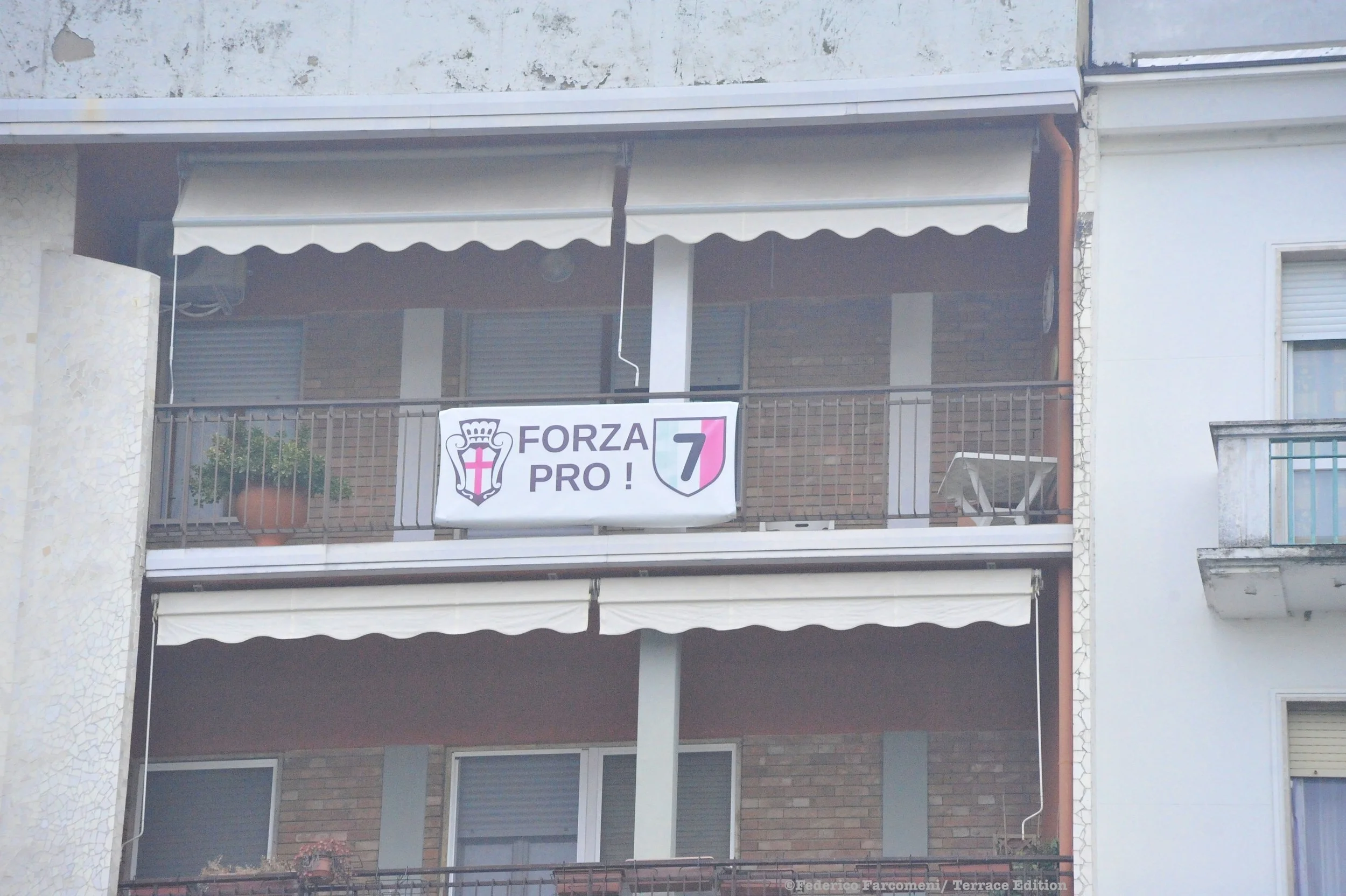
©Federico Farcomeni. Pro Vercelli “7” banner.
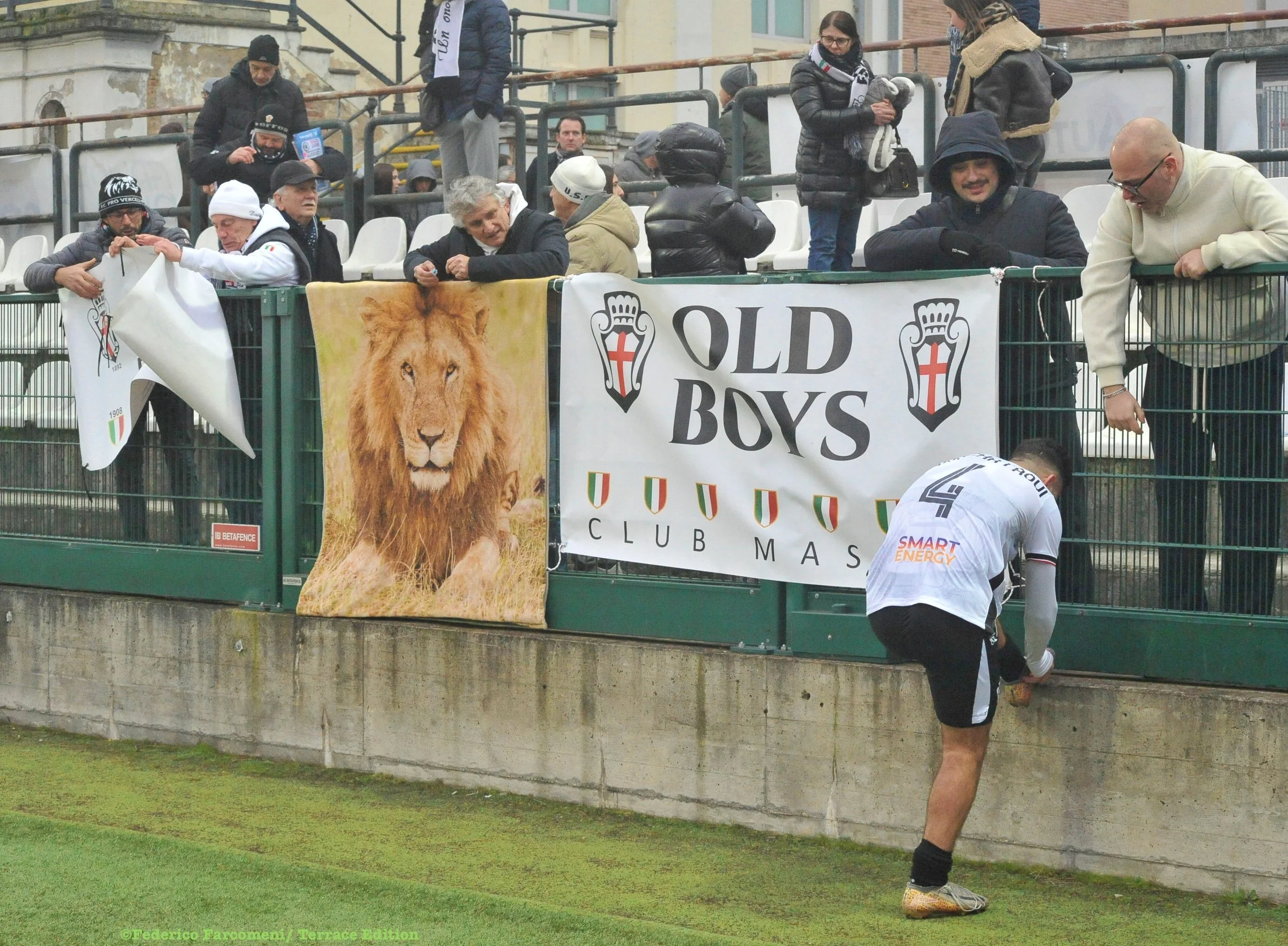
©Federico Farcomeni/ Terrace Edition. Pro Vercelli ‘Old Boys’ banner.
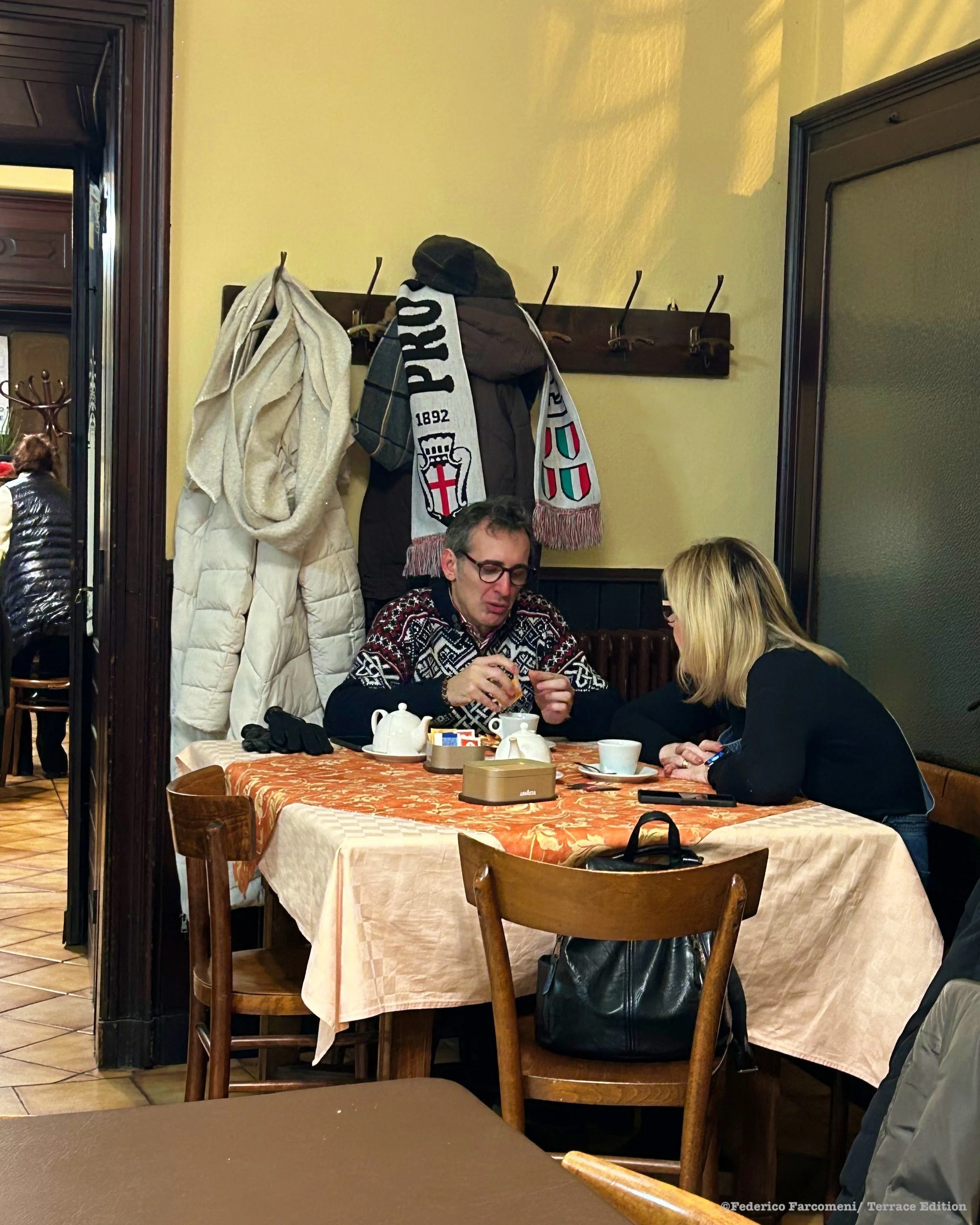
©Federico Farcomeni/ Terrace Edition. Pro Vercelli scarf.
Federico is on X: @fedefarco and Instagram: @fede.farco.